Nvidia AI financing raises too-big-to-fail questions
Nvidia has built a web of guarantees and stakes behind the AI buildout, and regulators are now asking what happens if the demand behind it falls short.
by Trends DeskNovember 19, 20264 min read
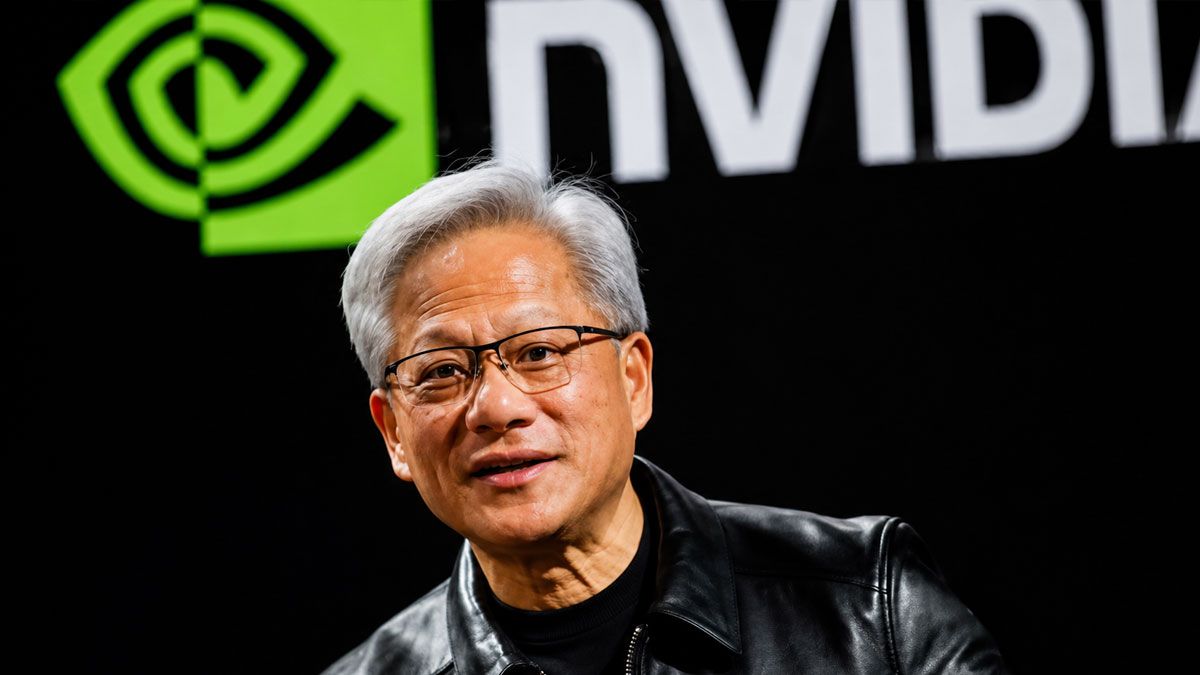
Nvidia AI financing has become the question hanging over the artificial intelligence buildout, after a CNBC analysis asked whether the chipmaker is now too big to fail. The company sells the chips that power most AI systems, and it has also become a lender, investor and guarantor for the firms that buy them. That web of commitments is drawing attention from regulators and investors as credit markets tighten.
Sheila Bair, who once headed the US Federal Deposit Insurance Corporation, told CNBC that Nvidia "is not remotely too big to fail by any banking definition." "If NVIDIA went down, it would be a hugely seismic event," Bair said. Nvidia is not a bank, and it does not hold deposits. Its failure would not trigger a run, but it could stall the buildout of data centres that depend on its chips and its money. The question behind Nvidia AI financing is whether a chipmaker that also funds its buyers can pass a shock through the system.
Nvidia AI financing rests on three kinds of support. The company disclosed about $36 billion in off-balance-sheet AI cloud agreements and backstops for neoclouds in its July quarterly filing. It has also guaranteed up to $105 billion for chips, land and power at a proposed 10 gigawatt OpenAI data centre in Ohio. A third layer is about $20 billion in leases for future data centre capacity that Nvidia plans to hand on. In most of these deals, Nvidia pays only if the other side defaults.
Nvidia AI financing and the guarantees behind it
The scale of Nvidia AI financing reflects how far Nvidia has moved from selling chips. Chief executive Jensen Huang has used the company's investment grade credit rating to help customers borrow. The company has taken equity stakes in dozens of firms, including OpenAI and Anthropic, and its investment portfolio was worth $99 billion in the second quarter. Its market value is about $5 trillion, and it generated about $70 billion in free cash flow in the first half of 2026. That cash lets it keep funding the buildout, and it ties its fortunes to the firms it backs.
Nvidia AI financing faces its first market test
That test arrived in October, and it put Nvidia AI financing under its first real strain. Shares of CoreWeave, Nebius and IREN, three cash-burning neoclouds in Nvidia's orbit, fell at least 30% during the month. The cost of insuring CoreWeave debt against default rose sharply, with its credit default swap spread passing 11%. Nvidia's own shares fell 7.6% in October, their third straight weekly decline on Wall Street. Jensen Huang told CNBC that demand for neocloud computing is "off the charts." "What is missing in the middle is the working capital to fuel that growth," he said on the sidelines of the GTC conference in Berlin.
David Trainer, founder and chief executive of financial research firm New Constructs, said the risk turns on whether demand for computing keeps pace with the forecasts behind the spending. "If the demand for compute doesn't meet these really super lofty expectations, we're going to have a problem," Trainer said. Nvidia declined to comment for the CNBC report.
What regulators watch next
Nvidia AI financing is also on the watch list of regulators. Officials at the US Federal Reserve discussed AI infrastructure investment as early as July, and the International Monetary Fund warned in its October Global Financial Stability Report that rising leverage among AI companies and investors could spread into wider financial trouble. Jason Wu, deputy division chief of the IMF's Global Markets Analysis Division and lead author of the report chapter, set out the concern in the report. Sheila Bair also said regulators should keep a close eye on banks' exposure to Nvidia and similar firms. The worry is a chain of firms, each borrowing to build capacity for the next, passing a shock from one to another if demand slows.
Nvidia reports quarterly earnings next Tuesday, and analysts expect revenue to more than double this fiscal year and nearly double again over the next two years, according to LSEG data cited in the report. The figures will test whether Nvidia AI financing still looks sound when demand is measured against the forecasts.