AP-101 preserves weight in ALS phase 2 trial data
AL-S Pharma said AP-101 preserved body weight better than placebo in new ALS phase 2 analyses, with a confirmatory phase 3 trial planned for 2027.
by Trends DeskOctober 26, 20264 min read
AL-S Pharma announced on October 26, 2026 that new analyses from its phase 2 trial of AP-101 showed greater preservation of body weight in patients with amyotrophic lateral sclerosis, compared with placebo. AP-101 is a human antibody being tested as an ALS treatment that targets misfolded superoxide dismutase 1, a protein involved in ALS. The company said weight loss in ALS is closely tied to disease progression and poorer outcomes, so preserving weight may be a useful measure of how a treatment is working.
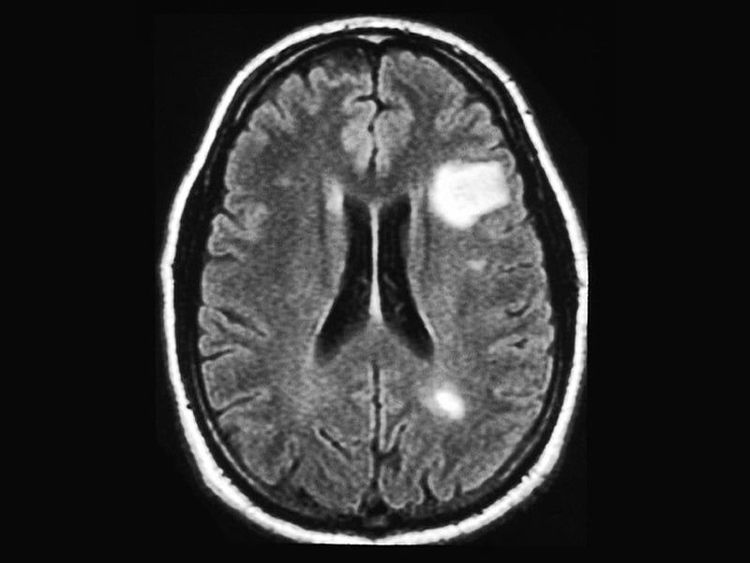
Amyotrophic lateral sclerosis, known as ALS, is a progressive disease that affects motor neurons in the brain and spinal cord. Symptoms vary from person to person. Some forms begin with limb weakness, while others start with bulbar symptoms affecting speech and swallowing. All forms lead to loss of independence and a markedly shortened lifespan. Median survival remains three to five years, according to AL-S Pharma, and diagnosis is often delayed.
The new findings come from the global phase 2 trial AP101-02, which enrolled 73 patients with sporadic ALS and patients with mutations in the SOD1 gene. Participants with sporadic ALS numbered 52, and those with mutant SOD1 ALS numbered 21. They were assigned at random, in a ratio of two to one, to receive intravenous AP-101 or placebo every three weeks. After 24 weeks, all participants entered a 24 week open label extension with continued AP-101 treatment, followed by a 16 week safety follow up.
AP-101 weight results in the phase 2 trial
In the AP-101 weight analyses, researchers used post hoc analyses of the randomized, double blind period of the trial. In the sporadic ALS group, mixed model analyses showed a progressive separation in body weight trajectories favoring AP-101, with an adjusted between group difference of 2.25 kg at week 24. In the SOD1 ALS group, the analysis showed a 4.82 kg difference favoring AP-101 at the 21 day follow up after the randomized treatment period, with a p value of 0.0092.
A further analysis looked at participants with sporadic ALS by their baseline cerebrospinal fluid levels of misfolded The protein. Among participants in the highest third of those levels, AP-101 treatment was linked to greater preservation of body weight compared with placebo, with a 4.59 kg difference at the 21 day follow up, with a p value of 0.0010. The company said those results add a clinical perspective to its phase 2 findings and show a consistent trend toward greater weight preservation with AP-101 across different ALS patient groups.
The antibody chief medical officer Angela Genge said preservation of body weight is relevant in ALS, where weight loss is closely tied to disease progression and poorer outcomes. She said the new analyses add an important clinical perspective to the phase 2 findings and show a consistent trend toward greater weight preservation with The antibody across different ALS patient groups. She also said the rate of weight loss is an important additional measure of clinical response alongside established functional, respiratory, and survival outcomes.
The antibody safety and biomarker findings
The antibody phase 2 trial met its main endpoint related to safety and tolerability. Adverse events were similar to those in the placebo group, and no antibody responses induced by The antibody were reported, according to the company. In addition to the weight findings, study results provided evidence of disease modification and prolonged survival, supported by reductions in key markers of nerve injury after six months of treatment in the per protocol population.
ALS treatment phase 3 trial planned for 2027
AL-S Pharma is advancing The antibody toward AP101-03, a multicenter, randomized, double blind, placebo controlled phase 3 trial affiliated with the NEALS meeting. The study is planned to enroll about 300 participants, assigned two to one to receive The antibody at a dose of 2,500 mg intravenously every three weeks or placebo for 12 months, in addition to standard care. The planned phase 3 trial is expected to start in 2027.
The results will be presented by Genge during the NEALS Affiliated Trial Session at the 2026 NEALS meeting, taking place October 27 to 30, 2026 in Clearwater, Florida, and online. Her presentation is scheduled for October 28 at 11:05 a.m. ET. A poster on the phase 3 design is scheduled for October 29. The antibody has received Orphan Drug designations from the United States Food and Drug Administration, the European Medicines Agency, and Swissmedic, according to the company.