Trump Auto Tariffs Trigger Price Hikes, Factory Idling
Trump's 25% auto tariffs are driving price hikes, idled factories, and layoffs, with Audi holding tariff-hit vehicles at US ports until further notice.
by Trends DeskOctober 19, 20263 min read
Trump auto tariffs on imported cars and car parts are now in effect, and the American auto industry is responding the way economists predicted: with higher prices, idled factories, and layoffs. The 25 percent duties on auto imports have touched off a scramble among carmakers to shield customers, dealers, and their own balance sheets from the new costs.
Automakers have answered the tariffs with a mix of price hikes, paused shipments, and production cuts. Some brands are raising sticker prices to offset the duties, and early car price hikes are already showing up on dealer lots. Others are holding vehicles at ports or reworking supply chains to reduce exposure, while workers at affected plants face furloughs and layoffs as companies trim output.
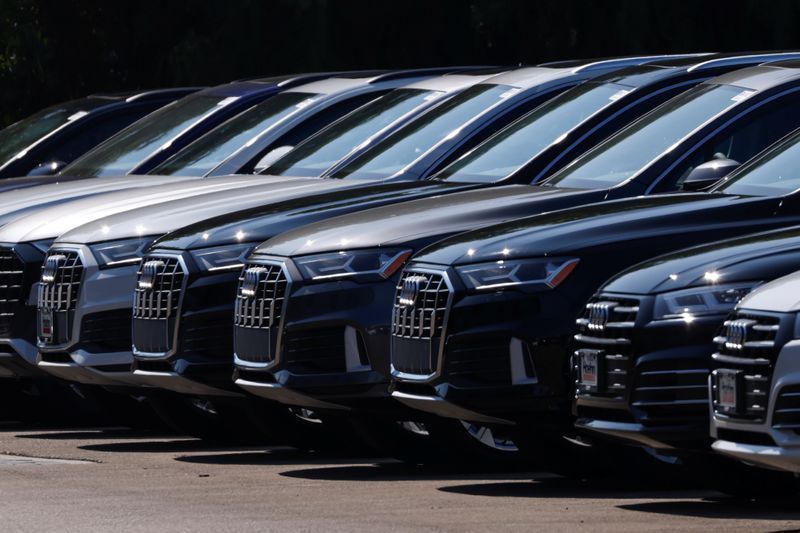
Audi has taken one of the most dramatic steps. According to Automotive News, the German luxury brand is holding all vehicles assembled in Mexico and overseas at US ports until further notice, refusing to release tariff-hit inventory into its dealer network while it weighs its options. The Audi port hold is the clearest sign yet of how severely the duties are disrupting normal operations.
The company is not starting from zero, however. Audi says it has roughly 37,000 units in dealer stock and at port that are unaffected by the new import fees. To reassure buyers, Audi is marking those unaffected units with a $0 "No Added Import Fee" code, signaling that their prices carry no tariff surcharge.
"We are evaluating how to best proceed for our customers and our dealers," Audi spokesperson Mark Dahncke said, capturing an industry-wide mood of watchful uncertainty.
Trump Auto Tariffs: Price Hikes, Idled Plants, Layoffs
The 25 percent tariff applies to all auto imports, making it one of the broadest trade measures ever aimed at the car industry. Because modern vehicles are built from parts sourced across dozens of countries, few cars escape the duties entirely: even models assembled in the United States rely on imported components caught up in the auto imports crackdown.
Car price hikes are the most immediate consequence. Automakers facing thousands of dollars in added cost per vehicle must choose between absorbing the hit, raising prices, or some painful combination of the two. Early evidence suggests many are passing at least part of the cost to buyers, pushing monthly payments higher at a time when affordability is already strained.
Idled factories and factory layoffs follow when demand softens or supply chains seize up. Plants that depend on cross-border parts flows, particularly those tied to Mexico and Canada, are most exposed. Industry groups warn that prolonged tariffs could shrink US vehicle sales and trigger wider factory layoffs, rippling through assembly plants, suppliers, and dealerships alike.
How Audi Is Navigating Trump Auto Tariffs
The Audi port hold is a calculated gamble. By keeping tariff-affected vehicles out of showrooms, the brand avoids repricing cars mid-stream and angering recent buyers. The roughly 37,000 unaffected units give dealers something to sell while the company decides whether to absorb the duties, raise prices, or shift production.
The $0 "No Added Import Fee" code is a marketing tool as much as a logistical one. In a market where rival brands are quietly adding tariff surcharges, Audi is betting that a visible promise of no added fee will win showroom traffic and blunt the impact of expected car price hikes. Whether the tactic survives once the unaffected stock runs out is an open question.
For the broader industry, the Audi episode illustrates the bind facing every carmaker: tariffs meant to encourage domestic production are instead freezing inventory, complicating pricing, and forcing emergency logistics. Until trade policy stabilizes, executives say, the responses will keep coming in the form of higher prices, quieter factories, and harder choices for workers and buyers alike.