Toyota Honda Resume Thailand Auto Production
Toyota and Honda have restarted Thailand auto production after floods disrupted component supplies, with phased restarts at Samrong, Gateway and Ban Pho plants.
by Trends DeskOctober 20, 20264 min read
BANGKOK — Toyota Motor and Honda Motor have restarted Thailand auto production as businesses recover from flooding that severed component supplies, while the Thai government prepares tax breaks and a relief package to help the country automotive heartland rebuild.
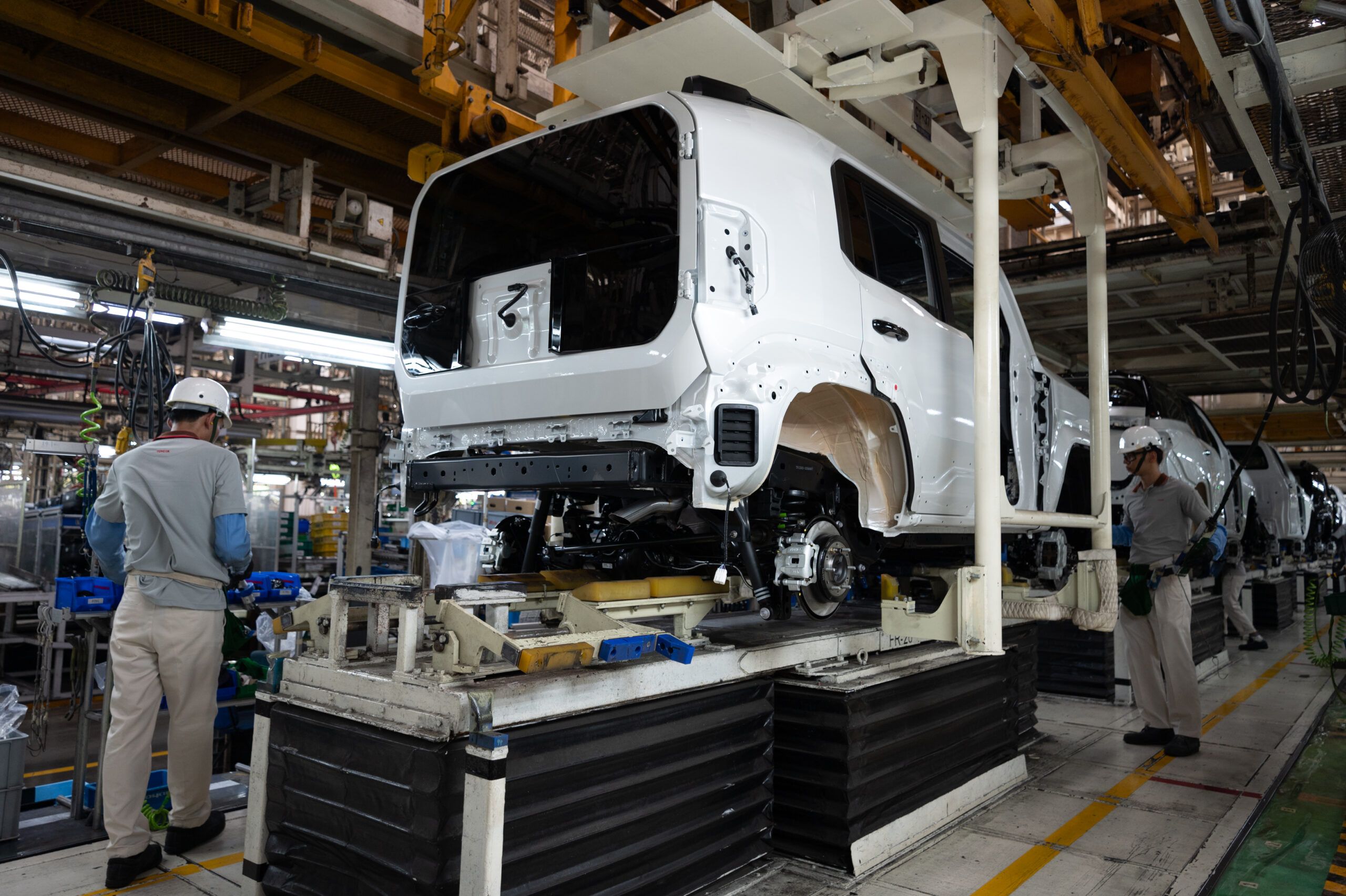
Toyota was forced to halt production at three Thai plants when flooding disrupted the flow of parts. The stoppage was originally planned to last until Oct. 10, but was extended as suppliers continued to struggle with waterlogged roads and factories. With supplies now recovering, the phased resumption of Thailand auto production is underway.
Toyota restarted output last Wednesday at its Samrong plant, where it builds the Hilux pickup truck and other vehicles, followed on Friday by the Gateway plant, which produces Yaris and Corolla passenger cars. On Monday, the automaker resumed output at the Ban Pho export plant, which builds vehicles for export markets as well as domestic buyers.
Thailand auto production restarts in stages
The staggered schedule reflects how the disruption rippled through the supply chain rather than hitting the assembly plants directly. The main Toyota factories stayed dry, but roads in Samut Prakan, Chachoengsao and Chon Buri provinces were blocked, leaving suppliers unable to deliver the just-in-time parts that modern lines depend on and bringing Thailand auto production to a standstill at three Toyota sites. The Monday restart of the Ban Pho export plant completed the first wave, restoring the export pipeline.
Honda restarted vehicle production on Friday at its Honda Thai facilities affected by the floods. The company had earlier suspended operations at its Prachinburi and Ayutthaya plants from Oct. 2 to Oct. 6, and plans extra shifts to compensate for lost output as the Honda Thai facilities work through backlogs.
Getting the Hilux pickup output moving again matters beyond Toyota. The Hilux is one of Thailand best-selling commercial vehicles, and the Hilux pickup output at Samrong feeds dealers across Southeast Asia. Analysts estimate the two automakers lost roughly a week of production in October, most of which is expected to be recovered in November and December through overtime.
Thailand auto production supply chain under review
On Oct. 8, Thailand Industry Minister Varawut Silpa-archa toured the Amata City industrial park in Chonburi province, home to many auto component suppliers. The government is preparing support such as tax breaks and assistance for repairing equipment, aiming to put together a flood relief package within one month.
The park operator, Thai conglomerate Amata, is working on upgrades including reinforcing floodwalls to counter heavier-than-normal rains and improving early warning systems. The Amata City suppliers that feed Toyota and Honda lines were among the hardest hit, and the Amata City suppliers now face pressure to harden their sites before the next storm season.
The Federation of Thai Industries estimates supply chain damage at no less than 1,018 million baht, yet maintains its 2026 vehicle output target of 1.45 million units. A flood relief package that speeds equipment repairs will be critical if Thailand auto production is to hit that target without cutting corners on quality.
The crisis extended beyond car plants. Thai Airways is reviewing its crisis management after flooding around its main hub, Suvarnabhumi International Airport, left travelers and luggage stranded. There were no reports of flooded runways, but flooding in surrounding areas prevented ground staff from reaching the airport. One aviation official described the site bluntly, saying the area is a wetland.
Thailand auto production faces climate test
The floods have renewed debate about whether Thailand manufacturing model is built for the climate it now faces. Accumulated rainfall exceeded 320 millimeters over three days in Chonburi and Rayong, and suppliers say water levels at dams and reservoirs remain high, with releases continuing.
For years, Thailand automotive industry was praised for efficiency, with lean inventories and tightly sequenced deliveries. The October disruption showed that efficiency without redundancy can become fragility, and the measures taken to shield Thailand auto production will shape investor confidence in the country as a regional hub.
Toyota says it is working closely with suppliers on the restart and offering financial help to affected customers. Honda is adding shifts to make up lost volume. If the government delivers its promised support and the floodwalls hold, Thailand auto production can return to full strength before year end, but the episode has made resilience as important a selling point as cost.