Chinese EVs Shut Out: BYD Rejects US Market Entry
BYD's Stella Li says the company won't sell passenger cars in the US, as triple-digit EV tariffs and industry opposition shut out Chinese EVs.
by Trends DeskOctober 19, 20263 min read
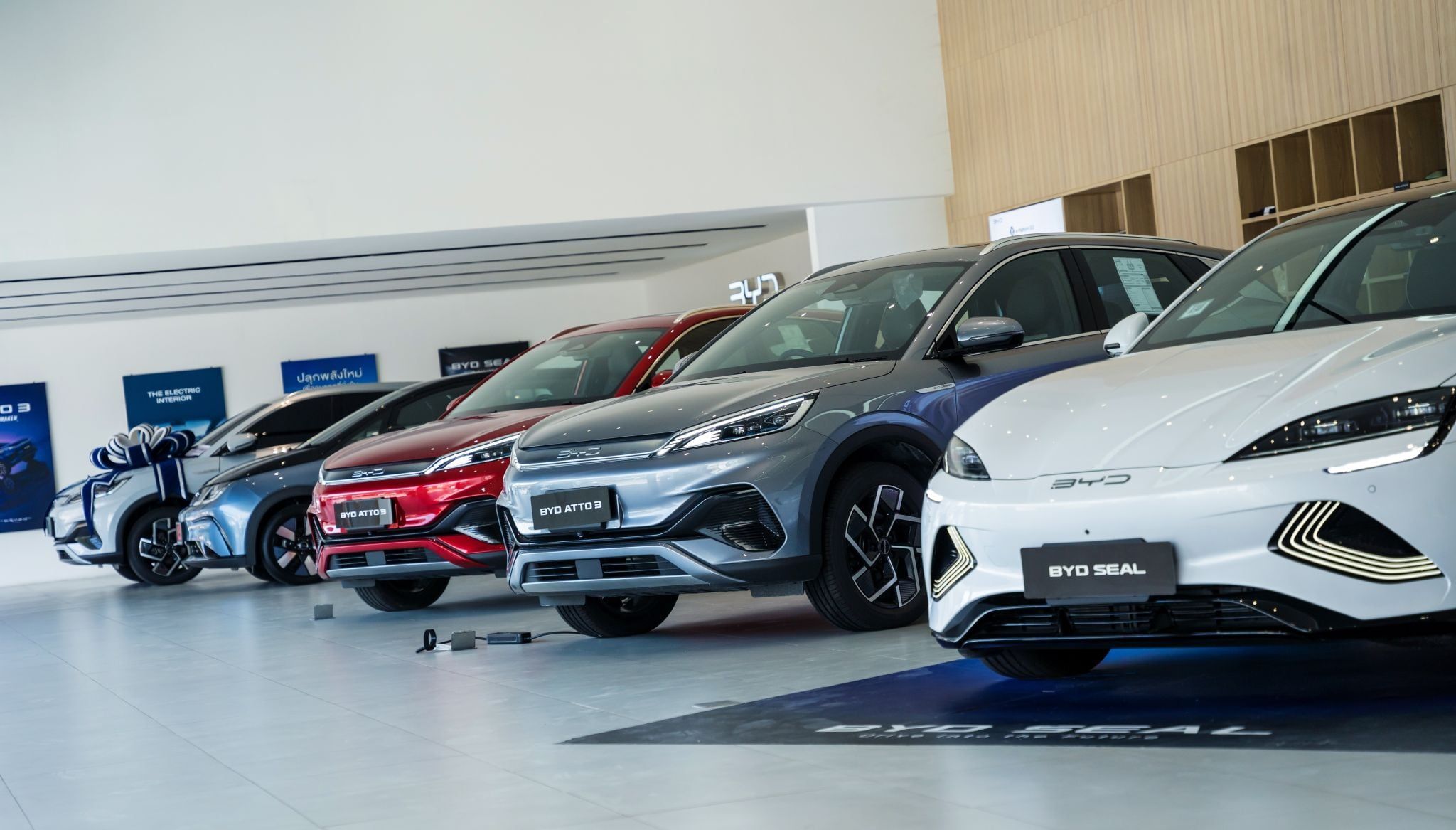
Chinese EVs will not be coming to American showrooms anytime soon, at least not from BYD. Speaking at the Milken Institute Asia Summit in Singapore this month, BYD vice-president Stella Li said the company was not planning to sell passenger cars in the US, citing the market's lack of "clarity, visibility and stability."
Li's remarks make official what industry watchers have long assumed. Chinese EV makers face tariffs of more than 100 percent in the United States, a wall that makes exporting affordable electric cars to the United States commercially impossible. Add restrictions on China-linked vehicle software and hardware over data security concerns, and the US auto market looks less like an opportunity than a minefield for the Chinese brands.
The decision is a striking one given how the industry views America. David Zhang, a macroeconomics and policy analyst at Trivium China, said the US auto market remains attractive precisely because it is "significantly underserved" on affordable EVs, a gap Chinese brands have filled almost everywhere else they compete, from Europe to Southeast Asia to Latin America, where affordable Chinese models now top sales charts.
Why Chinese EVs Face a Closed US Door
The barriers are both economic and political. The EV tariffs of more than 100 percent erase the price advantage that made Chinese electric cars global bestsellers, while data-security rules targeting China-linked software and hardware add a second layer of exclusion. Together, they amount to what trade analysts describe as a near-total shutout.
That shutout has powerful defenders in Washington. Six major automotive trade groups recently wrote to President Trump urging him to "maintain policies that keep the door firmly shut to Chinese automakers." The letter reflects Detroit's fear that, given open access, Chinese brands could undercut domestic manufacturers on price just as they have done in Europe, Southeast Asia, and Latin America.
Trump himself has offered a conditional opening. Early last month, he indicated he would allow Chinese car manufacturers to produce cars in the US if they built factories creating American jobs. The proposal would let Chinese brands into the market while keeping production, employment, and at least some supply chains on US soil. It remains unclear whether Beijing or the Chinese automakers themselves would accept such terms.
Chinese EVs as a Trade-Talk Bargaining Chip
Zhang suggested that electric cars could become a "perfect concession" in US-China trade talks, something Washington could offer Beijing in exchange for Chinese moves on issues the US cares about. In that framing, the closed door is not just protectionism but leverage for future China trade talks.
Whether such a deal materializes is far from certain. For now, the combination of triple-digit EV tariffs, security restrictions, and organized industry opposition means the status quo is likely to hold. The public no-sale stance removes any near-term pressure for a policy rethink.
The irony, analysts note, is that keeping Chinese EVs out may slow America's own electric transition. Affordable electric models have driven EV adoption in market after market, and without them US buyers face higher prices and fewer choices, a dynamic that suits Detroit's incumbents in the short term but could leave the American market further behind the global curve. Until Washington resolves the tension between protecting its automakers and serving its drivers, the door the company just declined to walk through is likely to stay shut.