CAIT Delhi traders weigh court move over protest losses
Traders body CAIT will approach the government and the courts over business losses from Delhi protests, with trade leaders due to meet in Delhi on 13 November.
by Trends DeskNovember 19, 20264 min read
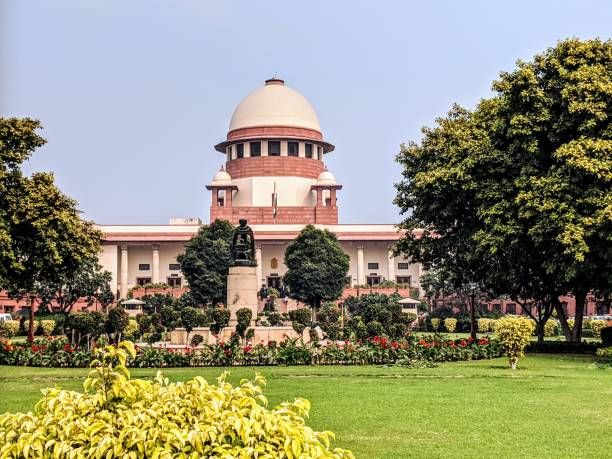
The Confederation of All India Traders (CAIT) will approach the government and the courts over business losses caused by protests in Delhi, the traders body said on 9 November. Delhi traders have watched sales fall during repeated protests, sit-ins and demonstrations in the capital, and the body now wants measures that protect shops and markets. The decision will be taken up at a one-day national meeting of senior trade leaders from all states in Delhi on 13 November. The meeting will assess the losses caused by agitations in the capital over the past month and work out a plan to stop such disruption in future.
Praveen Khandelwal, secretary general of CAIT and the member of parliament from Chandni Chowk, said representatives of major trade organisations from different states would take part in the meeting. He said the body would seek steps from governments and the judiciary that protect commercial activity and the livelihoods of traders. CAIT national president B.C. Bhartia said the meeting would also discuss GST reforms, protection against cyber fraud and simpler business regulations. The Confederation of All India Traders says the plan covers both the courts and the government.
Why Delhi traders are going to court
The move follows a Supreme Court hearing on 3 November, when a bench led by Chief Justice Surya Kant heard petitions from Delhi trading associations seeking compensation for protest business losses. The court directed the associations to include the organisers of the protests as parties to their petitions. The Kirana Committee Delhi was among the petitioners. Senior advocate Mukul Rohatgi, appearing for the associations, told the court that shops had stayed shut, Connaught Place had worn a deserted look and sales had fallen during the festive period. The court also heard petitions on detentions, metro closures and the denotification of Jantar Mantar as a protest site at the same hearing.
The protests at the centre of the case were held against Chief Election Commissioner Gyanesh Kumar. For Delhi traders in central Delhi, the legal route is now one of two tracks. The other is the approach to governments that CAIT plans after its 13 November meeting. The two tracks share one aim: a rule that keeps markets open when protests are held elsewhere in the city.
What Delhi traders want from the 13 November meeting
Trade leaders will put numbers to the losses at the Delhi traders meeting. The agitations of the past month hit markets at a time when shops count on festive-season sales. Some trade bodies have already written to Prime Minister Narendra Modi seeking compensation and a ban on protests in commercial hubs. They put the losses from the protest call on 10 October at Rs 2,000 crore and said footfall vanished from markets for four to five days before and after the event. The letters came from associations including the Federation of Lajpat Nagar Traders Association, the Automotive Parts Merchants Association and the Sarojini Market Shop-Keepers Association.
The demand for a ban is the sharpest part of the traders' case. Delhi traders want no permission for protests, marches or demonstrations in Delhi's market areas through the festive season, which runs from October to December and covers Navratri, Dhanteras and Diwali. They also want the financial damage assessed and recovered from protest organisers.
How Delhi traders reached this point
The strain has built up over weeks. Delhi traders say customers stayed away from major markets after each protest call, and the effect lasted days after the crowds had gone. A restaurant owner has approached the Delhi High Court separately seeking compensation for losses. The Delhi traders meeting on 13 November will test whether the trade bodies can agree on one set of demands to place before the government and the courts.
The meeting will also cover issues beyond the protests. GST reforms are on the agenda, along with protection against cyber fraud and simpler business regulations. For now, the protest business losses remain the reason the meeting was called. Delhi traders will learn on 13 November whether their leaders can agree on a single plan, and the outcome will be watched by shopkeepers across the capital.