Direct Selling Industry India Crosses Rs 23,522 Crore
India's direct selling industry hit Rs 23,522 crore in FY25 with 91 lakh sellers, 47% women, and may cross Rs 25,000 crore next fiscal.
by Trends DeskOctober 18, 20263 min read
The direct selling industry India is now a Rs 23,522-crore business with 91 lakh active sellers, according to a new industry report, cementing its role as one of the country's largest channels of self-employment. The report projects the sector will cross Rs 25,000 crore by the next fiscal year.
The findings come from the Association of Direct Selling Entities of India (ADSEI), prepared with research partner Kantar and released at Bharat Mandapam in New Delhi. The direct selling industry India expanded at a compound annual rate of 7 per cent to reach Rs 23,522 crore in the financial year ended March 2025. India ranks 11th among the world's 15 largest direct-selling markets, the ADSEI Kantar report said, as the direct selling industry India seeks to expand through entrepreneurship, training and greater regulatory compliance.
The model offers a relatively low-capital route into entrepreneurship, with flexible working hours and no formal qualification requirements. Direct selling involves individuals marketing products directly to consumers, often through personal networks and independent sales channels rather than traditional retail outlets. These features have made the direct selling industry India particularly relevant to women and aspiring entrepreneurs in semi-urban and rural areas, where access to conventional employment and business opportunities may be limited.
Women power the direct selling industry India
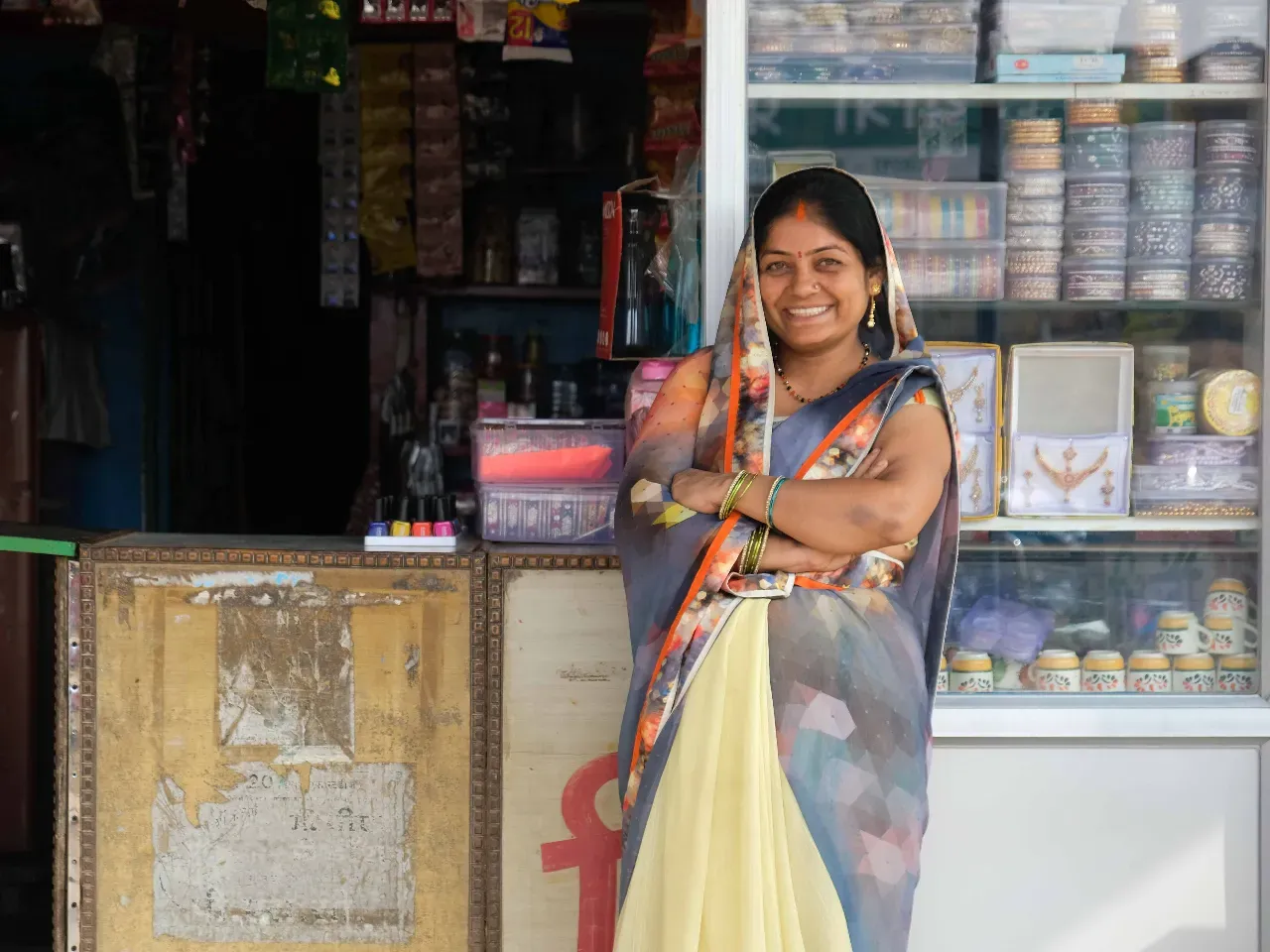
Women account for 47 per cent of the country's 91 lakh active direct sellers — nearly 43 lakh people — making the country's women direct sellers a defining feature of the sector. Flexible working hours, low entry costs and the absence of formal qualification requirements have drawn large numbers of homemakers in small towns and villages into earning incomes of their own, and the ranks of women direct sellers keep growing across the direct selling industry India.
Around 69 per cent of sellers are aged between 25 and 44, placing much of the workforce in a key earning stage of life, and more than 32 per cent reported consistent month-on-month income. Training and onboarding programmes are helping sellers build skills in sales, communication, financial literacy and small-business management, which matters because income levels can vary considerably with sales performance and expenses.
What the ADSEI Kantar report says about the direct selling market
The direct selling market remains concentrated at the top, though the direct selling industry India keeps adding sellers faster than revenue. The six largest companies, each with annual revenue of at least Rs 1,000 crore, accounted for about 68 per cent of total industry revenue in FY25, while companies with annual revenue below Rs 10 crore made up around 83 per cent of the industry's company base, the ADSEI Kantar report said. Wellness, personal care and cosmetics together bring in more than 86 per cent of sales. North India is the largest region with a 26.8 per cent share, followed by West India at 24.5 per cent.
Challenges facing the direct selling industry India
Retention is the industry's worry. ADSEI patron Gautam Bali said the figures represent "91 lakh Indians who chose to bet on themselves", but cautioned that many sellers leave before their businesses find their feet, calling for better training, stronger governance and a firm commitment to consumer protection. ADSEI president Dr Sanjeev Kumar said direct selling supported livelihoods for millions and aligned with the government's focus on self-employment, skilling and women-led development, adding that the body would keep working with the government on compliance and consumer trust. The report described the Consumer Protection (Direct Selling) Rules, 2021, as an important step in formalising the sector. To build its estimates, ADSEI and Kantar used company disclosures, Ministry of Corporate Affairs filings and up to seven years of financial and operational data to size the direct selling industry India, testing the numbers through interviews, a seller survey and expert consultations. One constraint flagged: per-person spending remains low at around $2, against $8-12 in lower-spending markets among the world's ten largest direct-selling markets.