16 people bitten in Balumath as rabies prevention gaps surface
Sixteen people aged 8 to 35 were bitten by a stray dog suspected of carrying rabies in Balumath, Latehar, in one day and treated at the health centre.
by Trends DeskOctober 27, 20264 min read
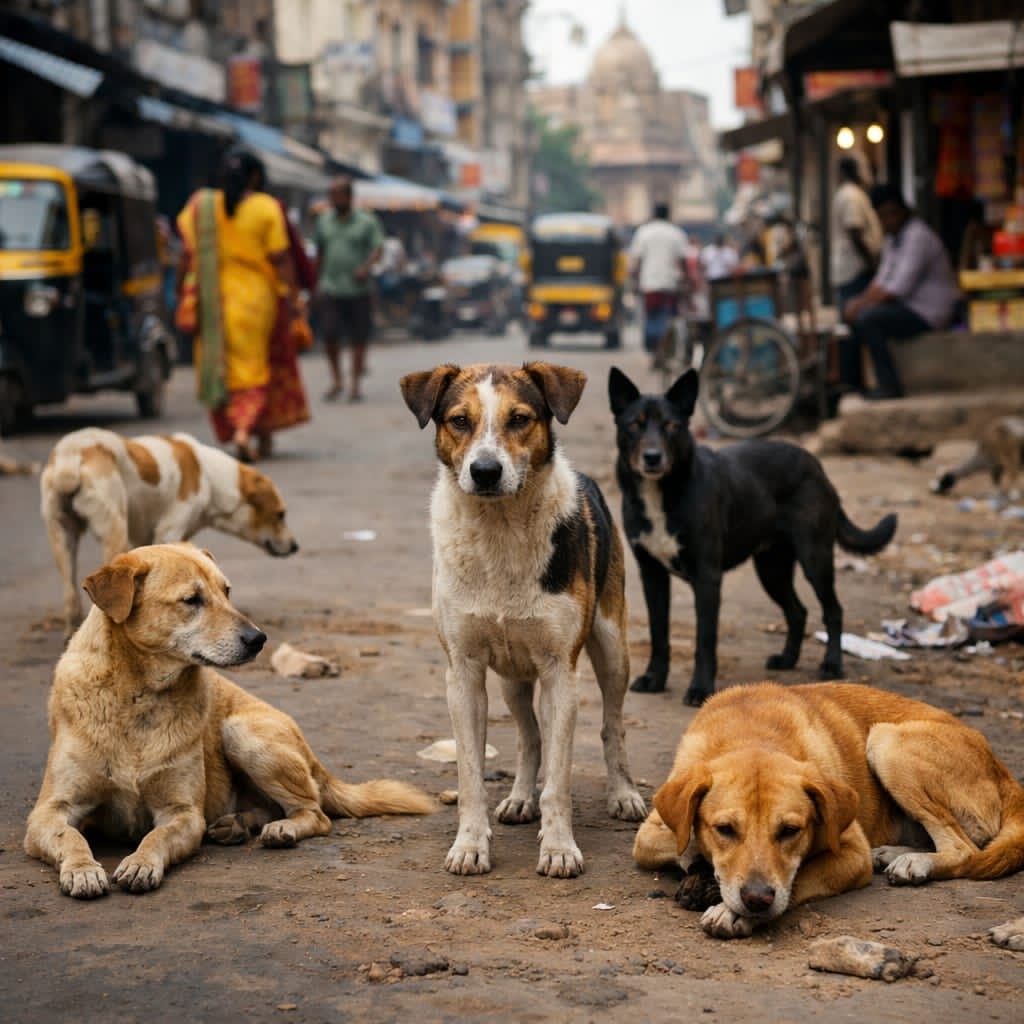
At least 16 people aged 8 to 35 were bitten by a stray dog suspected of carrying rabies in Balumath, in Jharkhand's Latehar district, in a single day, putting rabies prevention back in focus in the district. The victims suffered multiple injuries and received medical treatment at the local Community Health Centre, including anti-rabies vaccination and anti-tetanus injections.
According to local reports, the attacks took place at different locations in the Balumath police station area, beginning late on Friday afternoon and continuing late into the night. Victims reached the health centre until around 10 pm, Dr Surendra Kumar of the centre said. Among them was a woman who suffered multiple bites on her leg around 10 pm, and a young man whose lower lip was torn by the dog.
Health centre officials said the injured received anti-rabies vaccination, anti-tetanus injections and medicines. Reports also raised concerns about facilities for catching and managing stray dogs in the district. The dog's infection with rabies was not independently confirmed: residents suspected a stray dog was responsible, but the animal's condition was not established.
Why rabies prevention depends on dog vaccination
Vaccinating dogs is one of the most effective ways to prevent rabies from spreading to people. The World Health Organization estimates that dogs account for up to 99 percent of human rabies transmission worldwide. When a large share of the dog population is vaccinated, the virus has fewer susceptible animals through which to spread, so rabies prevention work starts with the animals, not with hospital treatment after a bite.
The WHO identifies vaccination coverage of around 70 percent of dogs in at-risk communities as an important target for interrupting transmission. That is why rabies prevention programmes put dog vaccination first, through sustained, area-based stray dog vaccination covering owned and free-roaming dogs, with records kept and follow-up arranged. It matters most where bites are frequent, veterinary services limited, or animals move between communities, and mapping bite incidents can direct teams where gaps are widest.
Rabies attacks the central nervous system and is almost invariably fatal once symptoms appear, but timely care after exposure can prevent the disease from developing.
What rabies prevention means after a bite
The most important step for rabies prevention after a dog bite or a potentially risky scratch is to seek medical attention at once. People should not wait for symptoms to appear or assume that an animal is safe because it looks healthy. Dog bite treatment begins with washing the wound thoroughly with soap and running water for at least 15 minutes.
A health professional should then assess the exposure and decide on the treatment required, which can include an anti-rabies vaccine and, for certain severe exposures, rabies immunoglobulin, depending on the wound and the person's vaccination history. Patients should complete every dose, follow wound-care advice, and not rely on home remedies or wait to see whether the animal becomes ill. For rabies prevention, dog bite treatment works best when it starts promptly, before symptoms develop.
One-time drives alone cannot keep a community safe: dog populations change as puppies are born, animals move and vaccinated dogs die, so regular drives must maintain coverage and reach animals missed before. Local authorities also need reliable information about dog populations, vaccination status and attack locations.
Sterilisation helps manage dog numbers, but it does not protect against rabies, so vaccination remains essential even where birth control programmes operate.
A coordinated rabies prevention response
The Balumath incident shows how multiple bites in a short period strain local facilities and worry residents, and why rabies prevention cannot depend on emergency treatment alone. Mass dog vaccination, regular monitoring, humane animal management and public awareness must work together for rabies prevention.
Health facilities need ready access to rabies vaccines, and every health centre handling bites should stock the anti-rabies vaccine. Local administrations need systems to respond to suspected rabid animals and recurring bite incidents. Municipal bodies, veterinary departments, animal welfare organisations and public health officials must work together, and residents can help by reporting suspected rabid animals rather than trying to catch them. Stray dog vaccination must be repeated regularly to hold coverage.
India's National Rabies Control Programme publishes post-exposure care guidance, supporting the national goal of eliminating dog-mediated human rabies. In Balumath, the health centre treated all 16 injured people, and the incident has renewed attention on coordinated responses involving health authorities, veterinary services and local administrations in Latehar district.