India allows E100 fuel for flex-fuel vehicles
India has amended the Central Motor Vehicles Rules to add E100 fuel alongside E85 for flex-fuel vehicles designed by original equipment makers.
by Trends DeskOctober 27, 20263 min read
New Delhi, 27 October 2026: The central government has amended the Central Motor Vehicles Rules, 1989, to bring 100 per cent ethanol into the rules for such vehicles in India. The Ministry of Road Transport and Highways issued the change in a Gazette notification, G.S.R. 911(E), on 23 October 2026, and the amended rules took effect from Monday, 26 October. E100 fuel is fuel made up of 100 per cent ethanol. The change adds the new fuel alongside E85 fuel in several parts of the emission and testing rules.
What the E100 fuel change covers
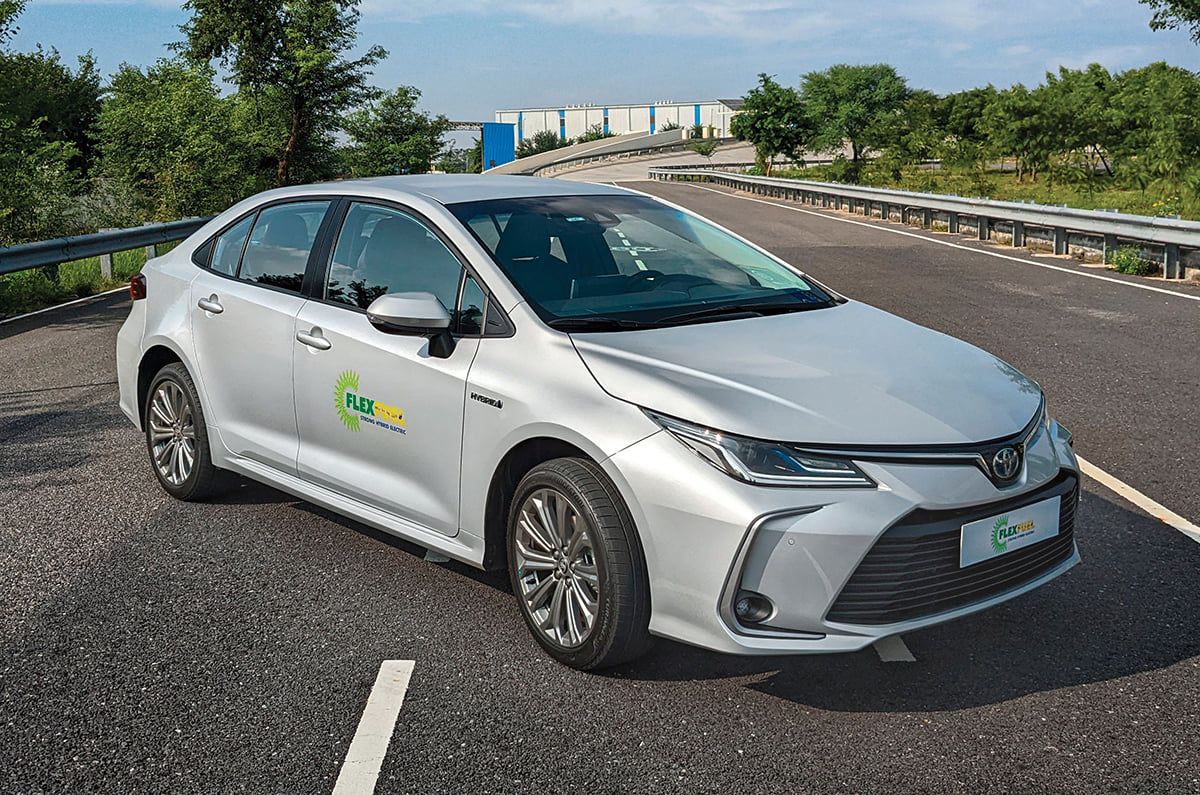
Under rule 115, references to E85 fuel in sub-rules 18, 19, 20 and 22 now read E85 or E100. An explanatory note under sub-rule 19 states that E85 or E100 shall be used in vehicles designed as flex-fuel vehicles by original equipment manufacturers. That condition is central to the change. The rules do not allow E100 fuel in ordinary petrol cars, or in cars built for petrol or E20 fuel. Only vehicles designed and built by makers as flex-fuel vehicles can use the higher blends.
The notification also changes related fuel references. In one emission table, the gross vehicle weight threshold rises to 3,500 kg from 3,000 kg. Gasoline references in the same table now list E10 and E20. The B10 entry for biodiesel changes to B100. References for hydrogen-compressed natural gas, known as HCNG, and for gasoline blends with up to 20 per cent ethanol are also updated, along with technical corrections in emission-testing tables and notes.
Why E100 fuel matters for ethanol use
India has pushed ethanol blending in petrol as a way to cut crude oil imports and to give farmers and distillers a larger market for ethanol. E100 fuel takes that approach further than the blends now sold at most pumps. A vehicle built for E100 fuel can run on fuel that is almost entirely ethanol, rather than on petrol mixed with a smaller share of ethanol. For makers, the amended rules give a clear basis to design, test and certify such vehicles in India.
Union Road Transport and Highways Minister Nitin Gadkari said earlier this year that a car running entirely on ethanol could bring fuel costs down to the equivalent of around Rs 25 per litre. That remark was about running costs, and it was made before this notification. The notification itself does not set a price for E100 fuel, and it does not say when E100 fuel will be sold widely across the country. Fuel supply, pumps and vehicle models will still need to be put in place before drivers can use it in practice.
How the E100 fuel rules were finalised
The ministry first published draft rules on 27 April 2026 through notification G.S.R. 313(E). It invited objections and suggestions from the public within 30 days. The final notification states that the objections and suggestions received were considered before the rules were issued. The final rules were signed by Mahmood Ahmed, Additional Secretary in the ministry, and they come into force from the date of publication in the Official Gazette, unless otherwise provided.
Ethanol blending in India has grown through petrol blends sold at pumps, and the Central Motor Vehicles Rules now give makers a route to certify vehicles for higher blends. The Central Motor Vehicles Rules set the testing and emission basis, while ethanol blending policy decides how much ethanol goes into fuel sold to drivers. That split between rules and fuel supply is why the notification alone does not put the new fuel on forecourts.
For car buyers, the practical point is narrow. No existing petrol car owner is asked to modify a vehicle or to switch to a higher ethanol blend under these rules. The rules set out how flex-fuel vehicles that use the new fuel are to be tested and listed in emission standards. Whether makers launch models for the new fuel, and where fuel is sold, will decide how soon the change affects drivers. The notification gives the regulatory step first, and the market steps still lie ahead.