Employers shift rising health care costs to workers
The New York Times reports employers are passing more rising health care costs to workers, leaving millions to pay a larger share of coverage.
by Trends DeskOctober 24, 20263 min read
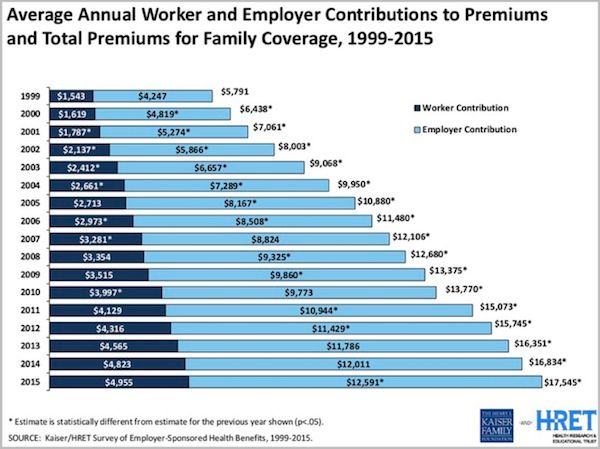
Employers are passing a larger share of rising health care costs to millions of workers, according to a report in The New York Times. The report describes a shift in who pays for job based coverage, with workers carrying more of the bill even as they keep the same kind of plan. For households that get health care through a job, that change can show up in the monthly premium, in what is paid at the doctor's office, and in what is paid before coverage starts to help.
How health care costs reach workers
Most workers with job based coverage do not pay the full price of a plan on their own. An employer usually pays part of the premium, and the worker pays the rest from pay. When health care costs rise, employers face a choice. They can absorb the rise, pass part of it to workers, or change the plan so workers pay more when they use care. Worker premiums are the most visible part of that shift, since the deduction shows up in every paycheck. The Times report says more of that burden is now landing on workers.
Employer health insurance has long split the bill between the firm and the worker. That split is where the shift is felt first. A higher worker premium means less take home pay each month, even if wages do not change. Higher deductibles and copays mean a worker pays more at the point of care. Health benefits of this kind are still offered by many firms, but the terms now ask more from workers. The report frames the change as a transfer of cost, not as a cut in the idea of coverage itself, since workers still hold a plan through their job.
Why health care costs are rising for workers
Health care costs rise for many reasons, and the report points to the pressure that rise puts on the employer system. Care itself has a price, and that price moves with wages in health care, with the price of drugs and supplies, and with how much care people use. When the total price of a plan goes up, someone has to cover the gap. Employers have in the past covered much of it. The report says workers are now covering more of it than before.
Worker premiums are only one part of the picture. A plan can look much the same on paper while asking more from the worker in practice. A deductible that rises means a worker pays more out of pocket before the plan pays its share. A copay that rises means each visit costs more. Workers who need regular care feel those changes sooner than workers who rarely see a doctor, because each visit draws on the same household budget. Employer health insurance still shapes what workers can pick, since the firm sets the plan menu.
What rising health care costs mean at enrollment
Open enrollment is often the first time a worker sees the new terms in full. The premium, the deductible, and the copay are set out in the plan papers, and the worker must pick a plan for the year ahead. A worker who picks a plan with a lower premium may face a higher deductible, while a plan with a higher premium may ask less at each visit. There is no choice that removes the cost. The choice is about when and how the worker pays it.
Health benefits still matter to workers, and most workers still value a plan through a job. The report does not say workers are losing coverage in large numbers. It says the terms of that coverage are shifting, so workers pay a larger share of health care costs than they did before. For millions of workers, that shift is the story: the same job, the same kind of plan, and a larger share of health care costs for the care it covers.