FDA Drug Exclusivity Board Brings Clarity to Approvals
FDA's drug evaluation center formed a board to oversee exclusivity determinations, aiming for clarity on 5-year, 3-year and biologic protections.
by Trends DeskOctober 19, 20263 min read
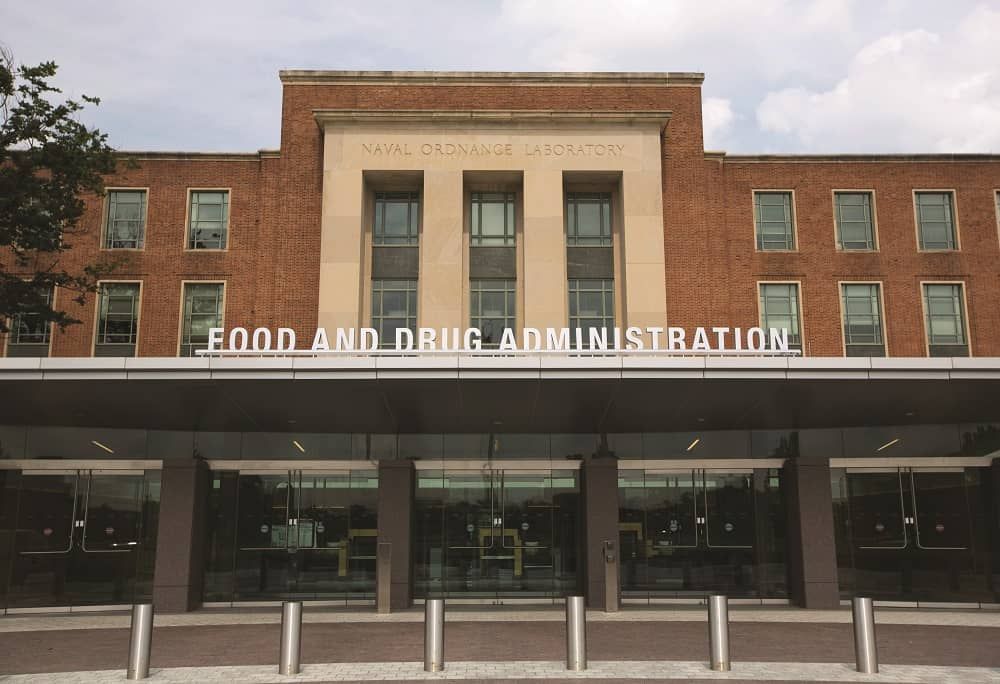
The Food and Drug Administration's drug evaluation center has formed a board to oversee FDA drug exclusivity determinations, aiming to bring greater clarity and consistency to decisions that shape when lower-cost generics can reach patients.
The Center for Drug Evaluation and Research (CDER) said the new board will oversee and advise on exclusivity questions, including whether exclusivity should be granted, what type is appropriate and how broad its scope should be.
The center reviews most prescription and over-the-counter drugs sold in the United States and handles thousands of applications each year. Exclusivity determinations arise after approval, when the agency must decide what protection the approval carries.
Why the FDA Drug Exclusivity Board Was Created
Exclusivity is one of the FDA's key tools for rewarding innovation. When the agency approves genuinely new medicines, it can grant a period of market exclusivity during which rival manufacturers cannot sell generic copies — a window meant to let innovators recoup research investments.
Exclusivity is distinct from patent protection, though the two often overlap. Patents are granted by the Patent and Trademark Office and can be challenged in court; exclusivity is granted by the FDA itself and blocks the agency from approving competing applications for a set period.
The board will weigh questions including 5-year new chemical entity exclusivity, granted to drugs containing active ingredients never before approved, and 3-year new clinical trial exclusivity, which rewards sponsors that conduct new clinical investigations for changes to already-approved drugs. It will also consider exclusivity for biological products, known as biologics, the complex medicines made from living cells.
Scope questions can be as consequential as the grant itself. A narrow exclusivity ruling may protect only a specific use of a drug, leaving room for competitors, while a broad one can hold off all generic versions for years.
Exclusivity decisions can be contentious, with significant commercial stakes riding on whether and how much protection a new drug receives. A dedicated board, CDER suggests, should make the reasoning more predictable for companies planning development programs.
How FDA Drug Exclusivity Decisions Affect Generics
For manufacturers of generic drugs, the board's rulings will determine how soon cheaper copies can reach the market. Because generic drugs typically sell for a fraction of brand-name prices, each year of exclusivity represents significant spending by patients and insurers — and significant revenue for the brand manufacturer.
Consumer advocates generally favor shorter protection periods and faster generic entry, while brand-name manufacturers argue that robust market exclusivity is the incentive that makes risky research into new medicines possible. The new board will sit at the center of that perennial tension, ruling on protections for small-molecule drugs and biologics alike.
The announcement did not point to any single dispute as the trigger. Instead, the agency framed the board as a good-governance measure — a standing body to ensure similar cases get similar answers.
The agency has not detailed the board's membership or when it will begin issuing guidance. For now, drugmakers and their lawyers will be watching for the first decisions as a signal of how the new oversight will work in practice.
The board's creation comes as the FDA faces a steady pipeline of novel therapies, including cell and gene therapies that do not fit neatly into older regulatory categories. As medicine grows more complex, the questions of what counts as a new chemical entity and how far protection extends are only getting harder.
Drugmakers are expected to watch the board's early rulings closely. The first exclusivity decisions under the new system will reveal how much deference the board gives to past precedent — and whether the promised consistency materializes in practice.
For patients, the practical effect of exclusivity is measured in pharmacy prices. When protection expires and generic drugs enter, prices typically fall sharply — a dynamic that makes every exclusivity decision a pocketbook issue.