Federal Reserve meeting awaited as rates seen on hold
Federal Reserve meeting on October 27-28, 2026 is widely expected to leave interest rates on hold at 3.75-4.00 per cent, with a December hike likely.
by Trends DeskOctober 26, 20263 min read
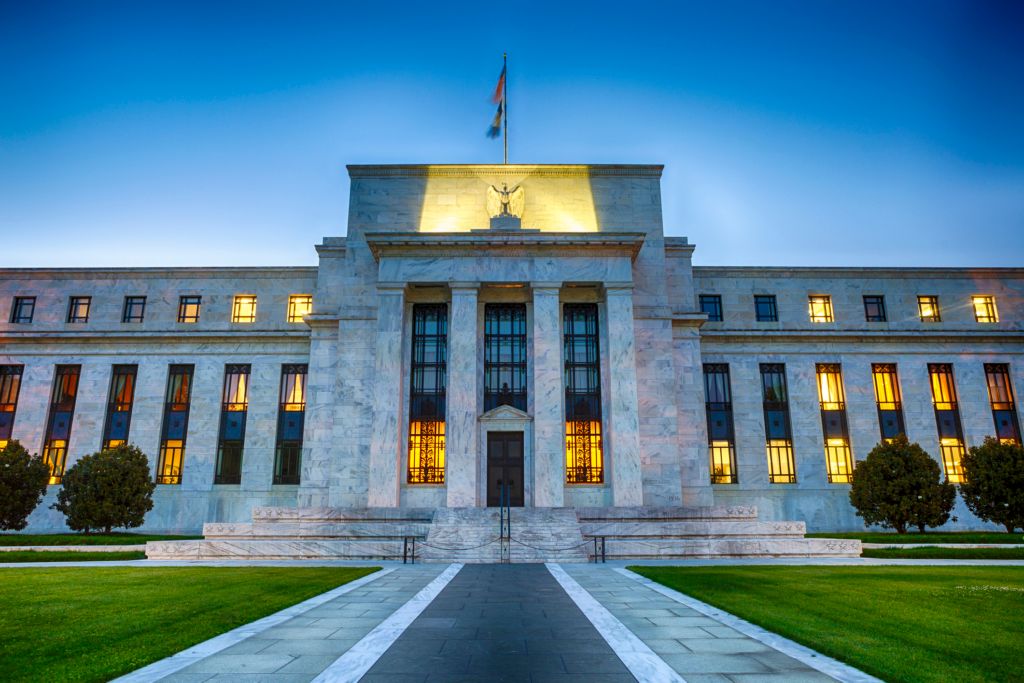
The Federal Reserve meeting on October 27 and 28, 2026, is widely expected to leave interest rates unchanged, with traders and economists looking past this week to December for the next move. The decision is due on Wednesday, October 28, at 2 pm Eastern time, followed by a press conference from Chair Kevin Warsh. The meeting comes days before the November midterm elections, and it follows a quarter-point rise in September that took the target range to 3.75 to 4.00 per cent.
Federal Reserve meeting and the Reuters poll
Nearly all economists polled by Reuters expect the central bank to hold the federal funds rate in the 3.75 to 4.00 per cent range at the October meeting. In the Reuters poll, carried out from October 16 to 20, 94 of 100 economists expected a hold this week. The same poll found that all 100 respondents expected a December rate hike, a sharp change from the prior month poll, when fewer than half expected a December move. The poll gives a clear picture of where professional forecasters stand, even though the central bank has not yet decided.
Federal funds futures priced less than a 10 per cent chance of a rise in October, according to market pricing reports, which lines up with the poll result. The gap between the October hold and the December rate hike is the main theme of the week: a pause now, with interest rates still set to rise before the year ends. Traders will read the Federal Reserve meeting statement and the press conference for any sign that the December plan has changed.
Federal Reserve meeting after the September rise
The Federal Open Market Committee raised rates by 25 basis points on September 16, 2026, its first rise since 2023, in a unanimous 12-0 vote. The statement at the time said economic activity was expanding at a strong pace and domestic spending had stayed resilient, while inflation stayed elevated. That mix of strong activity and sticky inflation frames the Federal Reserve meeting, since it leaves the central bank with little reason to rush and little room to sound relaxed.
Alex Pelle, senior US economist at Mizuho Securities, told Reuters that a strong economy with inflation gave the central bank little reason to worry about moving rates higher, and described the October choice as the easiest one. Fed officials have recently signalled they prefer a slower, more careful path for rates, even as stubborn inflation argues for a tougher response. Chair Kevin Warsh, who has made clear he is not keen on giving guidance, has stayed quiet in recent weeks, which leaves traders to lean on the poll and market pricing.
Federal Reserve meeting and the bond market
Bond markets have already moved before the Federal Reserve meeting on the shifting rate outlook. Longer-dated Treasury yields rose to multi-decade highs on October 7 on higher inflation and near-term rate expectations, before falling back nearly 25 basis points as the chance of an October rise faded. Two-year Treasury yields have also swung higher and then sharply lower. The moves show how much weight traders put on each new signal, even when the expected decision itself stays the same.
For borrowers and savers, interest rates after October matter more than the October decision itself. A hold this week with a December rise still expected would keep borrowing costs near current levels for now, while leaving the door open to higher costs before the year ends. The Federal Reserve meeting will end on October 28, and the statement and press conference that day will be the next hard facts in a debate that has so far run on polls, pricing and speeches.