Foodborne outbreaks tracked across five US investigations
CDC is tracking 5 foodborne outbreaks tied to oysters, raw milk cheese and sprouts, with 168 illnesses reported, no deaths, and recalls in effect for 4 of them.
by Trends DeskOctober 25, 20264 min read
Foodborne outbreaks tracked by the Centers for Disease Control and Prevention now number five active multistate investigations. Contagion Live reported the tally on October 24, 2026, based on CDC pages accessed October 23, 2026. Together, the outbreaks involve 168 reported illnesses, with no deaths reported to date. The outbreaks are caused by Salmonella and E coli, and recalls are in effect for four of them.
The five investigations cover raw oysters, raw milk cheese, broccoli sprouts, alfalfa sprouts and pet turtles. Four involve food, while the fifth involves contact with pet turtles, which can carry Salmonella in their droppings. Clinicians may see overlapping symptoms across the outbreaks, so exposure history and stool culture remain central. Patients should not eat, sell or serve recalled products, and should wash surfaces touched by them.
The largest single investigation is the alfalfa sprout outbreak, with 76 cases in 16 states. The newest investigation is the raw oyster outbreak, with 27 cases in 12 states.
Foodborne outbreaks linked to raw oysters
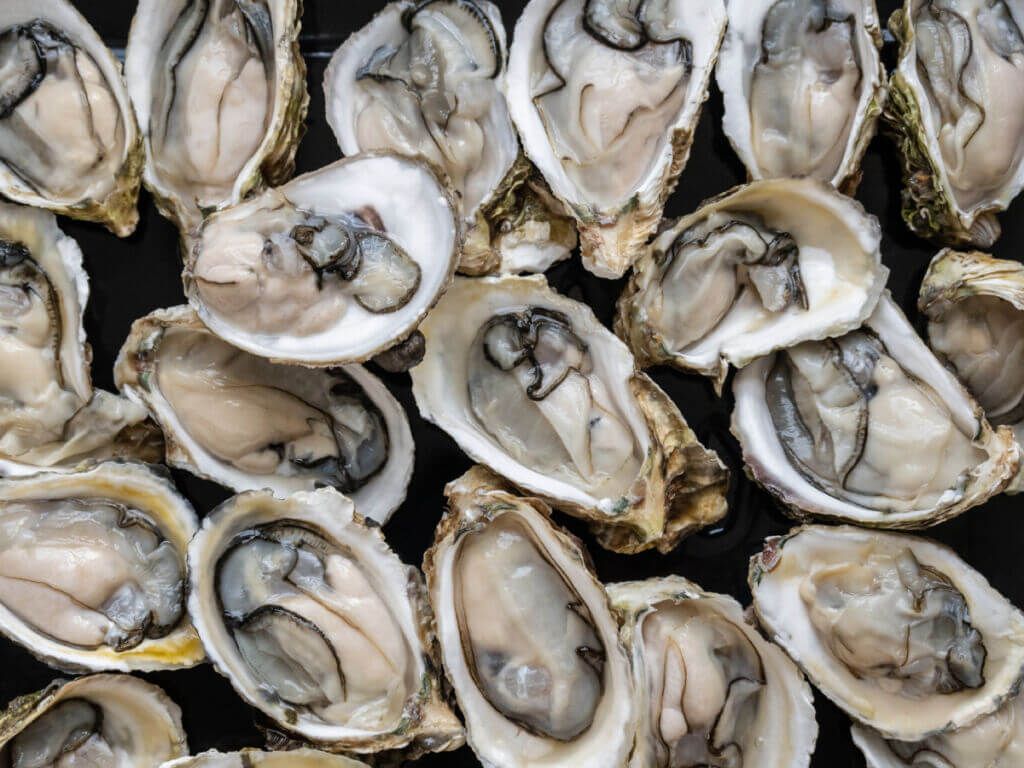
The Salmonella outbreak linked to the oysters involved 27 cases across 12 states, with 5 hospitalizations and no deaths. CDC, FDA and state officials linked the outbreak to raw oysters harvested by the Little Wicomico Oyster Company from the Little Wicomico River in Virginia. On October 9, 2026, the company voluntarily recalled whole shellstock oysters harvested from September 18 through October 8, 2026, from the Little Wicomico River and Little Wicomico River Lower areas. The Virginia Department of Health temporarily closed the harvest area. Oysters from other Virginia growing areas are not part of the recall. This is one of the foodborne outbreaks where a defined harvest window helps shoppers check purchases.
The recall covers a defined harvest window and area, which is why officials named the company, the river and the dates.
Foodborne outbreaks linked to raw milk cheese
The E coli outbreak linked to the cheese involved 13 cases in 9 states, with 8 hospitalizations and no deaths. Three of the hospital cases involved hemolytic uremic syndrome, a serious condition in which red blood cells are destroyed and kidney function can fall. Over half of the sick people are children aged 5 years and younger. Sierra Nevada Cheese Company recalled all Graziers grass fed cheeses, including medium cheddar, sharp cheddar, jalapeno jack and Monterey jack, sold in 8 ounce and 16 ounce retail packages and 5 pound loaves for food service customers and wholesalers.
Paediatric patients with bloody diarrhoea after exposure to the cheese warrant monitoring for hemolytic uremic syndrome, according to the clinical guidance in the report. Foodborne outbreaks linked to unpasteurised products need that extra check because kidney complications can follow. The cheese is made from milk that has not been pasteurised, and pasteurisation is the heat step that kills many bacteria. The recall covers all Graziers grass fed cheeses from that company, not a single flavour.
Foodborne outbreaks linked to sprouts and turtles
The Salmonella outbreak linked to broccoli sprouts involved 32 cases, 10 of them new, in 6 states, 2 of them new, with 3 hospitalizations and no deaths. CDC traced the outbreak to broccoli sprouts produced by Evergreen Fresh Sprouts and said it does not appear related to the alfalfa sprout outbreak. Foodborne outbreaks can look alike in symptoms, but the products and producers differ here. That distinction matters because sprout outbreaks can look alike in symptoms, but the products and producers differ.
The E coli and Salmonella outbreak linked to alfalfa sprouts involved 76 cases, 21 new, in 16 states, 1 new, with 6 hospitalizations, 2 new, and no deaths. Three people were infected with both pathogens. Everything Sprouts, LLC recalled certain lots of alfalfa sprouts on August 22, 2026, and expanded the recall on August 28, 2026, to include certain lots of Radish Sprout Mix because of cross contamination risk. Foodborne outbreaks linked to sprouts need careful lot checks for that reason.
The Salmonella outbreak linked to turtles involved 20 cases, 12 new, in 12 states, 6 new, with 5 hospitalizations, 2 new, and no deaths. Half of the sick people are children younger than 5 years, and pet turtles of any size can carry Salmonella in their droppings. Foodborne outbreaks are usually about food, but this turtle investigation shows contact can also spread Salmonella. The five investigations together show why exposure history matters: raw shellfish, raw milk products, sprouts and reptile contact point clinicians toward different sources, even when symptoms overlap.