CDC and FDA hit record low in Gallup public poll
Gallup found only 26% of Americans rated the CDC excellent or good and 25% said the same for the FDA, the lowest marks for each agency on record.
by Trends DeskOctober 26, 20264 min read
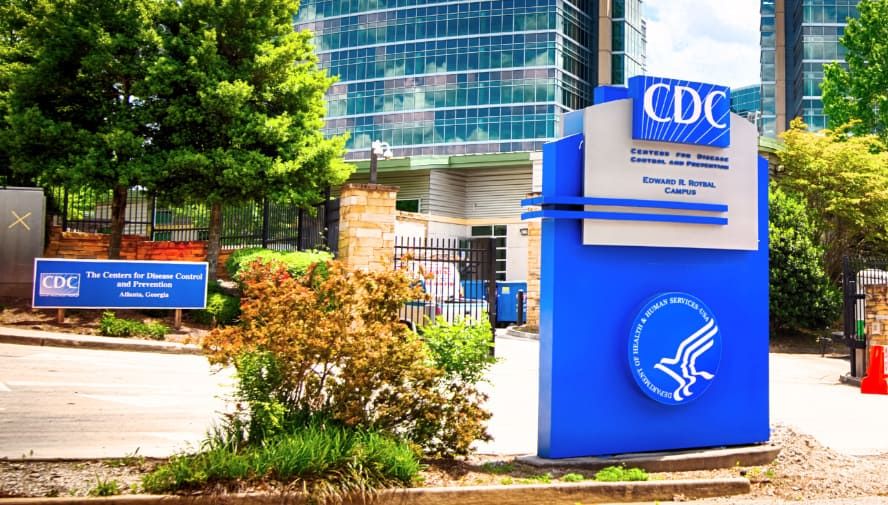
Public confidence in the Centers for Disease Control and Prevention and the Food and Drug Administration has fallen to record lows, according to a Gallup poll reported on October 22, 2026. Only 26 percent of Americans rated the CDC as doing an excellent or good job. Only 25 percent gave the FDA the same rating. Those are the lowest points for each agency in Gallup's historical surveys, which began in 2003 for the CDC and in 2009 for the FDA.
The survey reached 1,000 people during the first half of September 2026. Respondents could rate each agency as excellent, good, only fair, poor, or say they had no opinion. The CDC rating fell five percentage points from 2025, and it is about 14 percentage points lower than ratings given through the COVID-19 pandemic. The CDC high point was 66 percent in 2017. The FDA rating fell from 27 percent in 2025, down from a mid pandemic dip to 36 percent in 2022 and a high of 46 percent in 2017.
The two health agencies were graded lower than 10 other agencies included in the poll. The Postal Service topped the list at 58 percent excellent or good. The CDC and The regulator were also the only two agencies in the survey that received more poor ratings than excellent or good ratings. That pattern sets them apart from the other federal agencies Gallup asked about in the same poll.
Why CDC ratings fell in the Gallup poll
Gallup noted that both agencies have been in the news for reasons that may have shaped public confidence. The CDC has faced this year's measles outbreaks and the foodborne cyclospora outbreak that sickened thousands of people during the summer. The regulator has also been involved in foodborne illness investigations and in decisions about vaccines and other regulated products. Those events put both agencies in public view at a time when trust was already falling.
Both agencies have also been subject to substantial change under Health and Human Services Secretary Robert F. Kennedy Jr., according to Gallup and the Fierce Healthcare report on the poll. That change includes substantial leadership turnover, slashed workforces, and regulatory policies criticized by industry groups and public health experts, such as attempted changes to the childhood vaccine schedule. The report does not claim that any single event caused the drop in ratings, but it lists those developments as context for the results.
A partisan split in CDC and The regulator ratings
Recent years show a clear split in sentiment between political parties, Gallup noted, with views aligning with the incumbent administration since the COVID-19 pandemic. Since the beginning of President Trump's second term, Republicans' views of the agencies rose modestly from pandemic era lows. Among Republicans, the CDC share of positive ratings rose from 19 percent in 2024 to 29 percent in 2025 and 32 percent in 2026. The regulator improved from 23 percent in 2024 to 35 percent in 2025 and 36 percent in 2026 among the same group.
That rise was outweighed by falling ratings among Democrats. For Democrats, the CDC dropped from 65 percent favorable in 2024 to 32 percent in 2025 and 20 percent in 2026. For the The regulator, the favorable rating among Democrats fell from 47 percent in 2024 to 22 percent in 2025 and 18 percent in 2026. The net result is a lower overall rating, even though one party's view improved. The poll shows that public views of health agencies are now closely tied to party, in a way that was less true before the pandemic.
What comes next for the The agency and The regulator
Congress will need to weigh in again on funding for the two agencies and others under the Health and Human Services umbrella in the coming months, according to the report. Lawmakers have so far pushed back on White House proposals to substantially reduce budgets and reorganize their structure, though news reports suggest that portions of the agencies have not received their anticipated levels of financial support. Funding decisions will affect staffing, outbreak response, and inspection work in the year ahead.