Vape Ban: Guyana to Block Imports Over Youth Health Fears
Guyana will block vape product imports via a Customs Act order, President Ali announced, citing youth health concerns, Bloomberg reports.
by Trends DeskOctober 18, 20264 min read
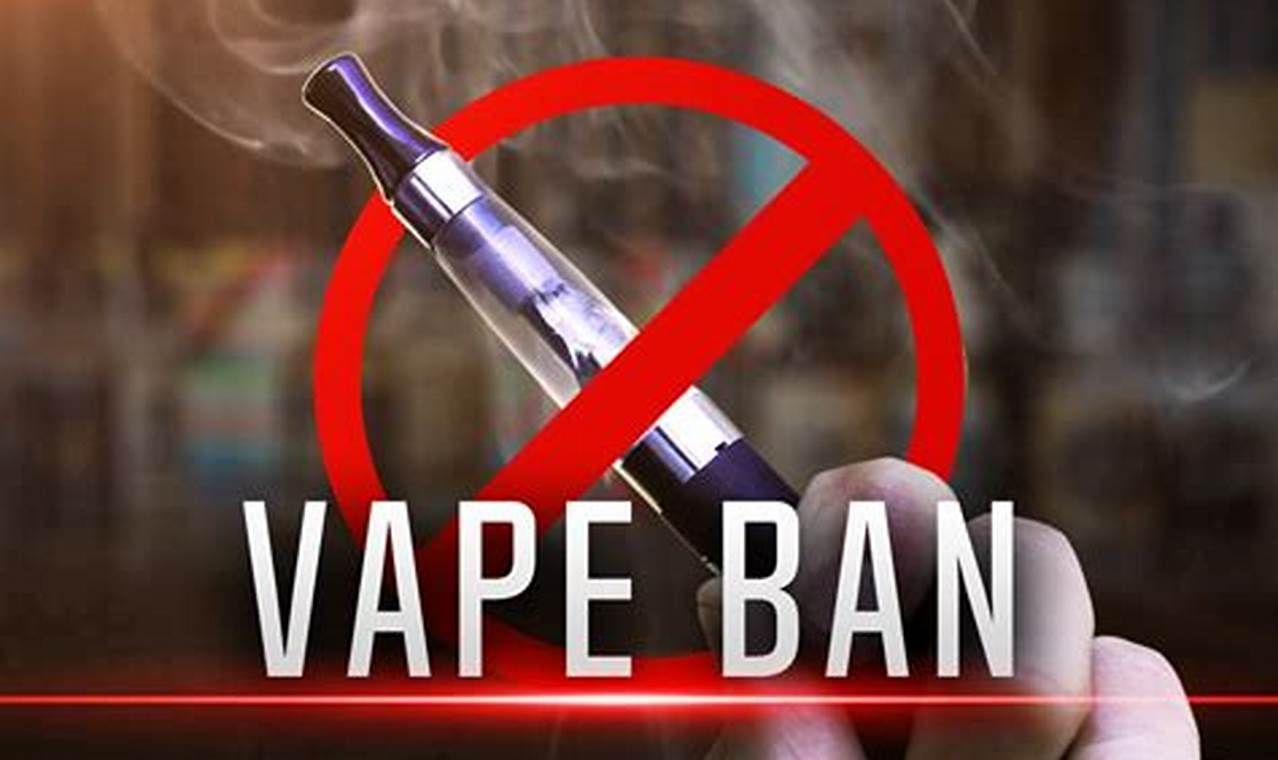
Guyana will move to block imports of vape products under a planned vape ban aimed at protecting young people from the health risks of e-cigarettes. President Ali announced the restrictions, which would be imposed through an order under the country's Customs Act, according to Bloomberg. The move makes Guyana one of the latest countries to tighten controls on vaping amid growing concern about youth uptake.
Guyana's Vape Ban Targets Imports Through Customs Act
Under the plan announced by President Ali and reported by Bloomberg, the Guyanese government would use a Customs Act order to restrict vape imports at the border — a faster route than passing new legislation through parliament. Import controls are a common first step for governments targeting vaping: by choking off legal supply channels, authorities can curb availability while broader regulations on sales, advertising and public use are developed. Details of the order, including its scope and start date, had not been made public at the time of the announcement.
Youth Health Concerns Drive the Vape Ban
The driving force behind the vape ban is youth health. Health officials in Guyana have voiced concern about rising e-cigarette use among teenagers and young adults, echoing a pattern seen worldwide: flavored, discreet devices that appeal to first-time users and deliver high doses of nicotine. Nicotine is addictive, and adolescent exposure carries particular risks because the developing brain is more vulnerable to dependence.
From Quit Aid to Youth Risk
Vaping was initially marketed as a less harmful alternative for adult smokers trying to quit combustible cigarettes, and public health agencies remain divided on its role in smoking cessation. But the youth vaping surge has shifted the debate: regulators increasingly treat e-cigarettes less as a quit-smoking aid and more as a youth addiction risk in their own right. Guyana's planned vape ban reflects that shift in emphasis.
What Happens Next for Vape Rules in Guyana
If implemented through the Customs Act as announced, the vape ban would give customs officers authority to seize vape products arriving at ports of entry. Retailers currently selling the devices would face a shrinking legal supply, though enforcement against informal or online sales typically proves harder. The government has not yet detailed penalties for violations or whether existing stocks would be subject to a sell-through period.
Enforcement Challenges for the Vape Ban
Even well-designed import bans face enforcement hurdles. Vape devices are small, easily concealed, and often ordered online — which means determined sellers can route products through informal channels long after legal imports stop. Customs officers would need training to identify the latest device designs, plus coordination with postal and courier services to intercept small parcels. Past experience with restricted goods suggests the vape ban will reduce availability substantially without eliminating it entirely.
Retailers present another challenge. Shops currently selling vapes legally would need a clear transition: a deadline to sell existing stock, plain guidance on what the vape ban covers — devices, e-liquids, or both — and penalties proportionate enough to deter but enforceable in practice. Without that clarity, the vape ban risks creating confusion among the very businesses expected to comply with it.
Public health advocates argue these difficulties are reasons to start, not to wait. They frame the issue as one of youth health above all: every month of unrestricted sales is another month of teenage initiation — and once nicotine dependence takes hold in adolescence, it is notoriously hard to reverse. For supporters, the vape ban is less a perfect solution than a necessary first step.
A Regional and Global Trend
Guyana would not be acting in isolation. A number of countries in the region and beyond have moved in recent years to restrict e-cigarette sales, advertising or imports, with several opting for outright bans similar to the vape ban Guyana is pursuing. International health bodies have urged governments to prevent youth uptake while continuing to study the long-term effects of vaping — effects that, by definition, will take decades of use to fully understand.
For now, the announcement signals intent rather than a finished policy. Public health advocates in Guyana are likely to welcome the move, while retailers and importers will be watching for the text of the import order. What is clear is the government's stated priority: keeping vape products out of the hands of young Guyanese.