H1N1 flu season starts early on the West Coast
CDC FluView data show H1N1 flu rising early on the West Coast, with 99.2 percent of subtyped viruses H1N1 and October hospital rates at a decade high.
by Trends DeskOctober 25, 20264 min read
H1N1 flu is rising early this flu season, led by the West Coast, according to the CDC FluView report published October 23, 2026, the latest CDC FluView update, with data through the week ending October 17. National flu activity remains low but has risen on several measures since late August or early September. Of the flu viruses subtyped by public health labs that week, 99.2 percent were influenza A(H1N1).
The CDC previous weekly report placed the highest activity on the West Coast, in the two federal health regions that cover California, Oregon, Washington, Nevada, Arizona, Hawaii, Alaska and Idaho. Flu seasons usually build in Southern states and move north, so a rise that begins in the western states is unusual. This flu season started in the West instead. Scientists have not determined why the rise began in the West, according to the report.
Nationally, 5.7 percent of flu tests at clinical laboratories came back positive during the week ending October 17, up from 5.0 percent the week before. Reuters reported that the 5.0 percent figure was a 10 year high for that point in the year and that West Coast positivity reached 10.7 percent, compared with 0.5 percent a year earlier.
H1N1 flu hospital rates in October
H1N1 flu hospital data show the early rise is reaching sicker patients. CDC FluSurv-NET estimated a hospitalization rate of 1.5 to 2.0 per 100,000 people for the week ending October 17 after adjusting for reporting delays. That is the highest rate for that week of the season since 2010 to 2011. The observed rate, 1.1 per 100,000, was unchanged from the previous week, while hospital admissions rose in some regions. Adults 65 and older had the highest observed rate, at 7.4 per 100,000, followed by adults 50 to 64 and children under 5.
No flu related child deaths have been reported this season, and national flu like illness activity remains below baseline, which tempers the hospital finding.
H1N1 is the same subtype that caused the 2009 pandemic, and it has circulated as a seasonal flu virus ever since. CDC says the current viruses belong to a subgroup that is dividing into branches with different genetic changes. Reuters reported that this year virus carries a mutation called G155E and that researchers believe past exposure may offer only partial protection against it. That finding is early, and it does not by itself predict how severe the season will be.
H1N1 flu vaccine match and antivirals
For H1N1 flu, there is early good news on the vaccine match. In CDC lab testing, 82 of 88 H1N1 viruses, or 93.2 percent, were well recognised by antibodies made against this season vaccine strain. That is encouraging, but it is not a real world measure of vaccine effectiveness, and CDC said it is too early to know what viruses may predominate later in the season. Reuters reported that flu vaccines have been 30 percent to 60 percent effective at reducing flu hospitalizations and deaths in past seasons, a range that describes past performance rather than a forecast for this season.
H1N1 flu antiviral medicines remain effective in lab testing. CDC found no H1N1 viruses with highly reduced inhibition by oseltamivir, sold as Tamiflu, and none with decreased susceptibility to baloxavir. Eight viruses showed reduced inhibition by oseltamivir, which CDC continues to track. People at higher risk should contact a clinician quickly when flu symptoms start, because prescription antivirals work best when started early.
H1N1 flu shots before holiday travel
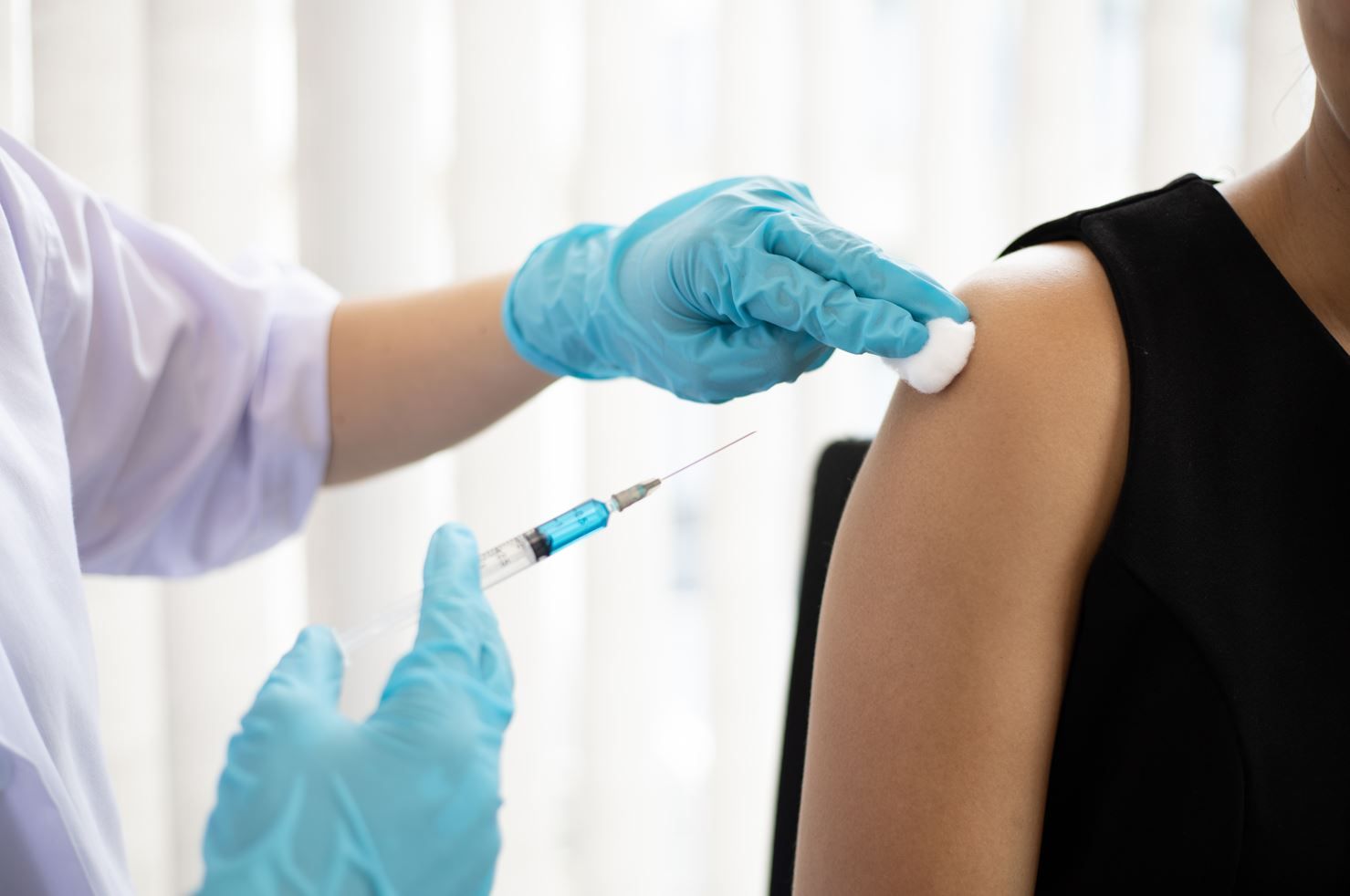
CDC recommends a yearly flu vaccine for everyone 6 months and older, with rare exceptions, and says September and October are generally good times to get one. H1N1 flu protection takes about two weeks to build, so a shot in late October offers coverage before Thanksgiving gatherings and holiday travel. Waiting until November or the holidays may leave people unprotected during the early weeks of spread in the western states, according to the report.
People at higher risk of complications include adults 65 and older, young children, pregnant people, and anyone with asthma, heart disease, diabetes or a weakened immune system. Common H1N1 flu symptoms include fever, cough, sore throat, body aches and fatigue, and trouble breathing, chest pain, confusion, signs of dehydration, or symptoms that improve and then return worse need urgent care.