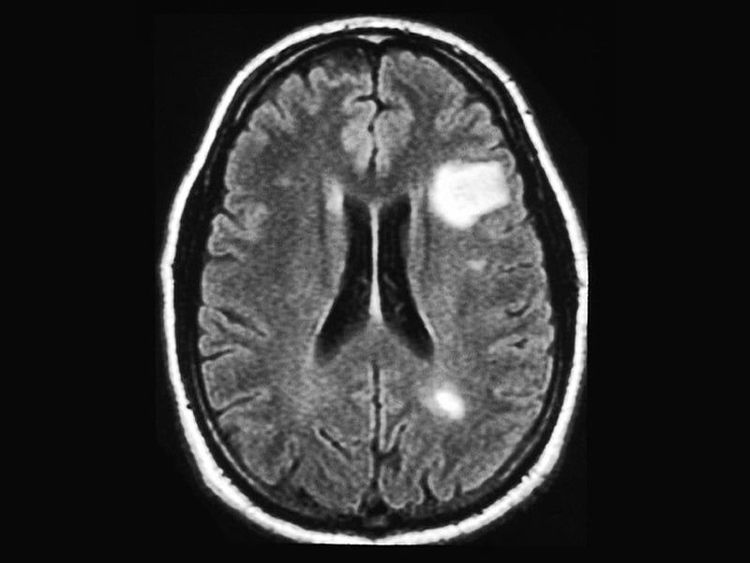
Who Qualifies for Lung Cancer Screening
Annual low-dose CT lung cancer screening is recommended for adults 50 to 80 with heavy smoking histories, but uptake remains below 20 percent.
by Trends DeskOctober 20, 20263 min read
Lung cancer can grow silently for years before producing a single symptom, which is why doctors call lung cancer screening one of the most powerful tools for saving lives. Yet fewer than one in five Americans who qualify for an annual low-dose CT scan have actually had one, a gap experts say translates into tens of thousands of preventable deaths each year.
Current guidelines recommend an annual low-dose CT scan for people between the ages of 50 and 80 who currently smoke or have a history of smoking, with at least a 20 pack-year history of tobacco use, according to the American Cancer Society. Before deciding to get screened, individuals should speak with their health care providers about the purpose of the screening, its benefits, its limits and its possible harms.
Who Qualifies for Lung Cancer Screening
Under the criteria endorsed by the US Preventive Services Task Force and the American Cancer Society, adults qualify if they are 50 to 80 years old, currently smoke or quit within the past 15 years, and have at least a 20 pack-year history. A pack-year measures lifetime smoking exposure: one pack a day for 20 years equals 20 pack-years, as does two packs a day for 10 years. Those who still smoke should be counseled about quitting and offered resources to help.
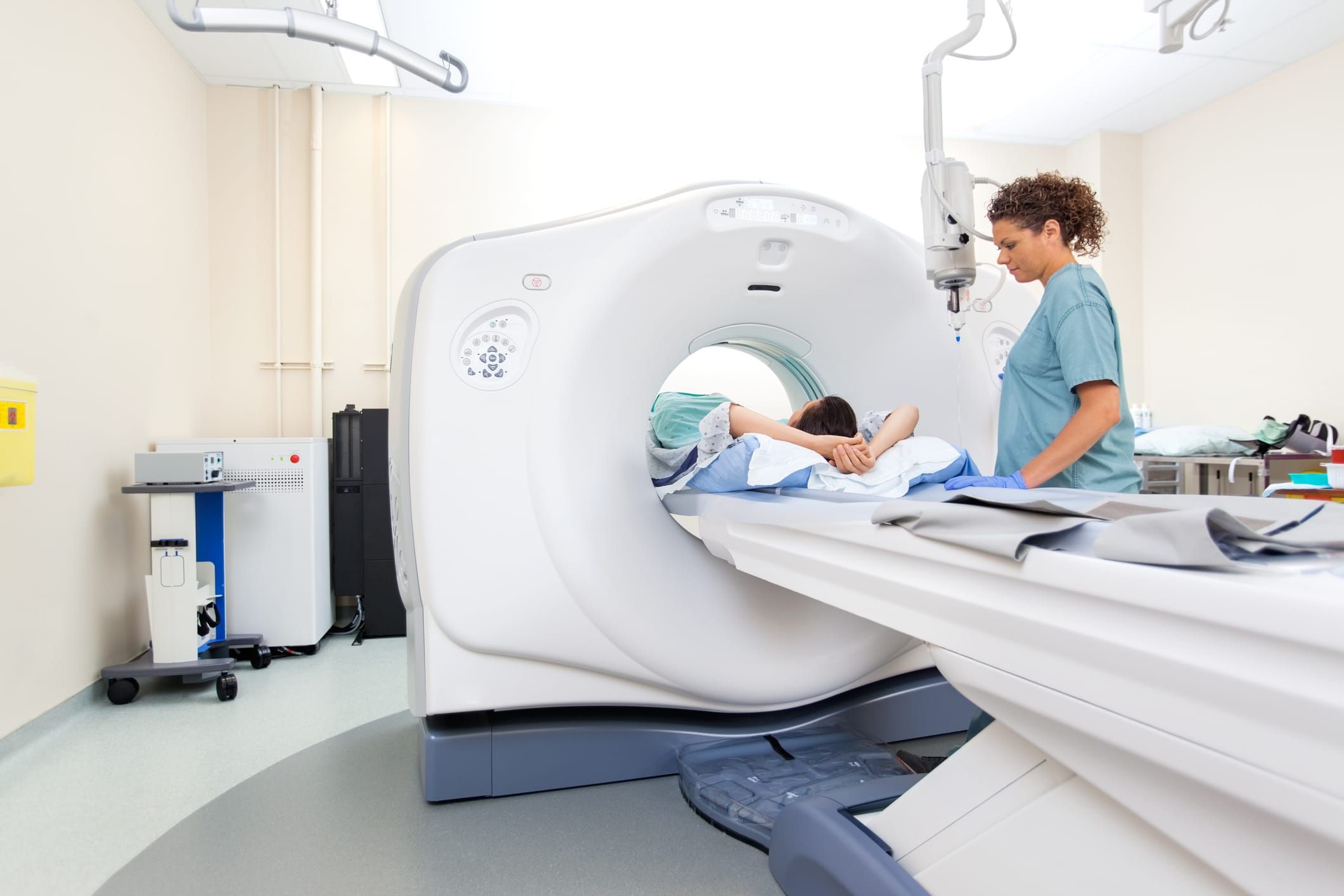
The scan itself takes only minutes and uses a fraction of the radiation of a standard diagnostic CT. Patients lie on a table, raise their arms overhead and hold their breath for about 10 seconds while the machine circles the chest. Doctors stress that screening is different from testing someone who already has symptoms. It looks for cancer before there is any reason to suspect it, which is when early detection makes the biggest difference.
Why Lung Cancer Screening Matters
Lung cancer kills more Americans each year than colon, breast and prostate cancers combined, and it often stays quiet until it has advanced. In most cases, early-stage lung cancer comes with no symptoms at all. When symptoms do appear, they tend to be lung-related, including a persistent cough, shortness of breath or coughing up blood, along with unexplained weight loss.
Screening was built for exactly that silence. In large trials, annual low-dose CT screening reduced lung cancer deaths by roughly 20 percent among high-risk adults, and experts describe lung cancer screening as one of the most powerful ways to boost survival. Early detection opens the door to treatment when tumors are small and most curable.
What Lung Cancer Screening Cannot Do
Screening is not meant for everyone. People with serious health problems that would likely limit their lifespan should not be screened, nor should those who could not undergo treatment if lung cancer were found. About one in seven lung cancers affects someone who never smoked, but there is currently no set screening guideline for never-smokers, an intense area of ongoing research.
People with a direct family history of lung cancer should discuss screening with their doctors, as should higher-risk groups such as Asian women. Experts predict better guidance for at-risk never-smokers within the next year or two. For now, the message is clear: eligible adults who skip lung cancer screening are missing a proven chance to catch the disease early.
Advances in treatment have improved survival even at advanced stages, so screening should not be viewed as a pathway to a terminal diagnosis. Researchers are also studying blood-based tests that could one day make lung cancer screening as simple as a routine lab draw, potentially expanding it far beyond today's eligible population. Public health campaigns are now working to close the awareness gap around lung cancer screening.