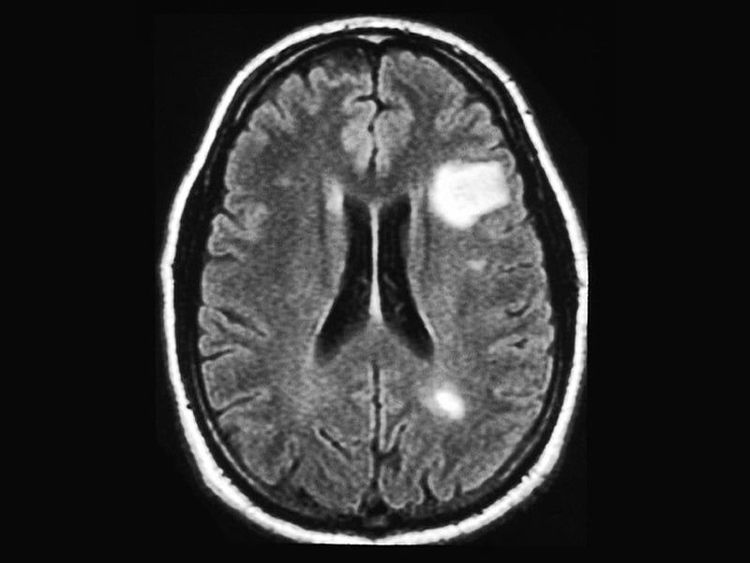
MIT Targets Aging Brain With AI and New Tools
MIT's Aging Brain Initiative showcased new research on Sept 25, from an AI model for Alzheimer's prevention to tools against protein aggregation and ALS.
by Trends DeskOctober 20, 20263 min read
MIT researchers are attacking the aging brain from every direction, from artificial intelligence to chemistry to bioengineering, in a push to make neurodegeneration preventable. At a symposium held on September 25, scientists across the institute described six projects aimed at understanding and intervening in neurodegenerative diseases that affect millions of older adults.
The event, hosted by the institute's Aging Brain Initiative, illustrated a central premise that has guided the program since 2015: diseases like Alzheimer's, Parkinson's and ALS are complex system-wide breakdowns that will require advances of many kinds from many sources. The initiative brings together researchers from neuroscience, engineering, chemistry and beyond.
AI Takes Aim at the Aging Brain
One highlight was an artificial intelligence system designed to improve personalized Alzheimer's care by matching patients to the best prevention interventions for them. The system, called FINGERS-7B, integrates data from clinical trials, patient lifestyle histories and multi-omics data such as genomics and proteomics to predict an individual's Alzheimer's progression and likely response to interventions.
The model was developed by a team including Giovanni Traverso, a professor of mechanical engineering and a physician at Brigham and Women's Hospital, working with initiative director Li-Huei Tsai and collaborators. Speaking alongside project leads Arvid Gollwitzer and Adrian Noriega de la Colina, the team described how they engineered FINGERS-7B to integrate highly diverse data sources, amassing 8 trillion tokens to inform its predictions. Every individual is unique in biology, they noted, and that shapes how people respond to interventions.
New Tools for the Aging Brain
Other talks showcased molecular imaging platforms that illuminate neural circuit activity, brain-wave dynamics underlying cognition and memory, and chemical tools for precisely targeting aging-associated molecular pathways. One presentation focused on the timing of chemical intervention in protein aggregation, a process linked to neurodegenerative diseases. Another described bioengineered models of the neuromuscular junction to study ALS and discover therapies.
The symposium also examined how anesthesia affects the aging brain, a topic with direct implications for older surgical patients. Researchers described advances in understanding why the aging brain responds differently to anesthesia and what that means for safety. The breadth of the work reflects the view that no single approach will solve age-related neurodegeneration.
The symposium drew researchers from across the institute's departments, reflecting a broader shift toward team science in medicine. Organizers say the half-day format, with six talks and a poster session, was designed to spark collaborations that cross traditional disciplinary lines.
Why the Aging Brain Needs Many Approaches
Li-Huei Tsai, the Picower Professor in the Picower Institute for Learning and Memory and the Department of Brain and Cognitive Sciences, said the initiative is unique because it brings together researchers from a diverse array of fields. The symposium, she said, showcases the institute's collective brilliance across neuroscience, engineering, chemistry and beyond.
Protein aggregation remains one of the central challenges in the field, as misfolded proteins accumulate in the brains of people with dementia. Researchers are racing to find the right timing and targets for chemical interventions that could slow or stop that process. The work on protein aggregation, combined with AI-driven prevention models, points to a future in which doctors match each patient to the interventions most likely to help.
For the millions of families facing dementia and related diseases, the message from MIT is one of accelerating momentum. The aging brain is yielding its secrets to new tools, and researchers say the convergence of engineering, chemistry and neuroscience may finally turn prevention into reality.