India Crude Oil Imports Hit 2026 High on Gulf Return
India's crude imports hit a 2026 high of 5.3 million bpd in September as Gulf shipments returned and Russian cargoes eased.
by Trends DeskOctober 18, 20264 min read
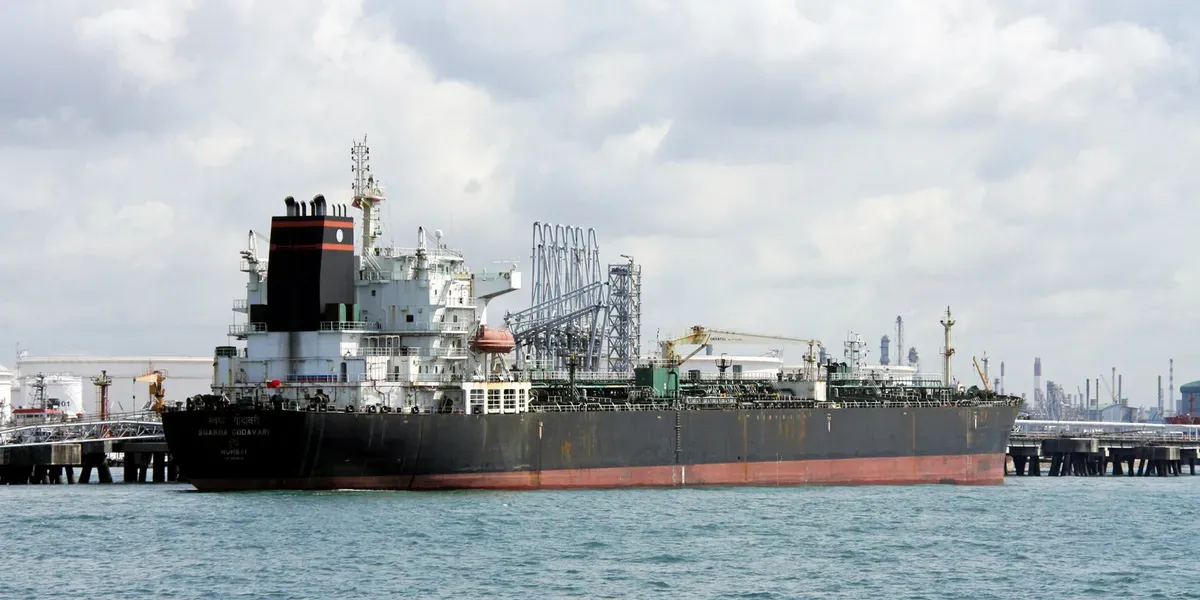
India's crude oil imports climbed to about 5.3 million barrels per day in September, the highest level of 2026, as Gulf shipments roared back after months of war-linked disruption, according to tanker-tracking data. The rebound shows how quickly India crude oil imports can pivot between suppliers when conflict redraws shipping routes.
In September, West Asia supplied roughly 2.10 million barrels a day, up about 74 per cent from August, reclaiming a 39.5 per cent share of total India crude oil imports — close to the pre-conflict mix, analysts said. Around three million barrels a day from Middle Eastern producers reached India in the month, with Saudi Arabia, Iraq and Kuwait all shipping strongly again. Iraq delivered about 525,000 barrels a day, Saudi Arabia around 517,000 and Kuwait about 335,000, its highest in a year, according to Kpler estimates reported in Indian media.
How India crude oil imports survived crude shipping disruptions
The recovery follows a period when crude shipping disruptions forced Indian refiners to lean heavily on Russian cargoes. Tanker traffic through the Strait of Hormuz has been disrupted since late February amid the conflict involving Iran, pushing insurers and shipowners to avoid the route. The Wall Street Journal reported that VLCCs carrying two million barrels were charging as much as $40 million for a round trip through the strait, while crews commanded bonuses of up to $25,000 for the voyage. Transportation and insurance now account for 20 to 25 per cent of a crude consignment's value, against less than 5 per cent before the conflict.
Russian crude, which never touches the strait — travelling via the Suez Canal or around Africa — filled the gap. In June and July, Russia supplied roughly half of India's imports, with purchases peaking at 2.65 million barrels a day in July, and the world's third-biggest crude buyer sourced more than half its oil from Russia in some recent months, Bloomberg reported. By September, Russian crude imports had fallen to about 1.74 million barrels a day, their lowest since April, as Gulf barrels returned and India crude oil imports normalised their mix.
Russia's share of India crude oil imports shrinks
The shift in India crude oil imports reflects cold commercial arithmetic as much as geopolitics. With Gulf oil flowing again at about 80 per cent of pre-war levels, Saudi Arabia's Aramco cut its flagship crude price for Asian buyers to $5 a barrel below the Dubai/Oman benchmark — effectively a rebate for the risk of moving oil out of the Gulf.
At the same time, US sanctions pressure has complicated Russian purchases. A new American sanctions bill signed into law allows President Donald Trump to impose tariffs on countries buying Russian crude, and top Indian processors have begun looking seriously for alternative November cargoes, according to people involved in the discussions. Imports from Russia may average about 1.9 million barrels a day in September — still more than 35 per cent of the total — but refiners could cut further. Then came a reprieve: a Treasury decision on October 9 allowed the sale and import of Russian diesel until April 7, 2027, and analysts said the latest sanctions waiver means Russian crude imports will likely continue, keeping India crude oil imports tilted toward discounted barrels, with the September Urals discount averaging $23 a barrel to Brent.
India's combined imports of US crude, LNG and LPG fell 43 per cent month on month to 1.22 million tonnes in September as West Asian energy imports jumped 67 per cent to 13.56 million tonnes, Business Standard data showed — another sign that India crude oil imports are shaped by price, logistics and supply reliability rather than political preferences alone.
Petroleum Minister Hardeep Singh Puri said India had diversified its crude sources from 27 to 41 countries and would continue to do so, stressing that commercial entities make purchasing decisions on prices and availability while governments facilitate relationships. "A disruption along a distant shipping route can alter the costs of an Indian factory and the budget of an Indian household," he said. With the shipping outlook still fragile, India crude oil imports will remain the market's key swing factor. As long as the Strait of Hormuz stays contested, analysts say, Russian crude imports will remain the pressure valve in India's energy mix.