Green finance growth in India hit by fragmented rules
Fragmented rules and missing incentives are stalling India's green finance growth, a Business Standard analysis says.
by Trends DeskOctober 18, 20263 min read
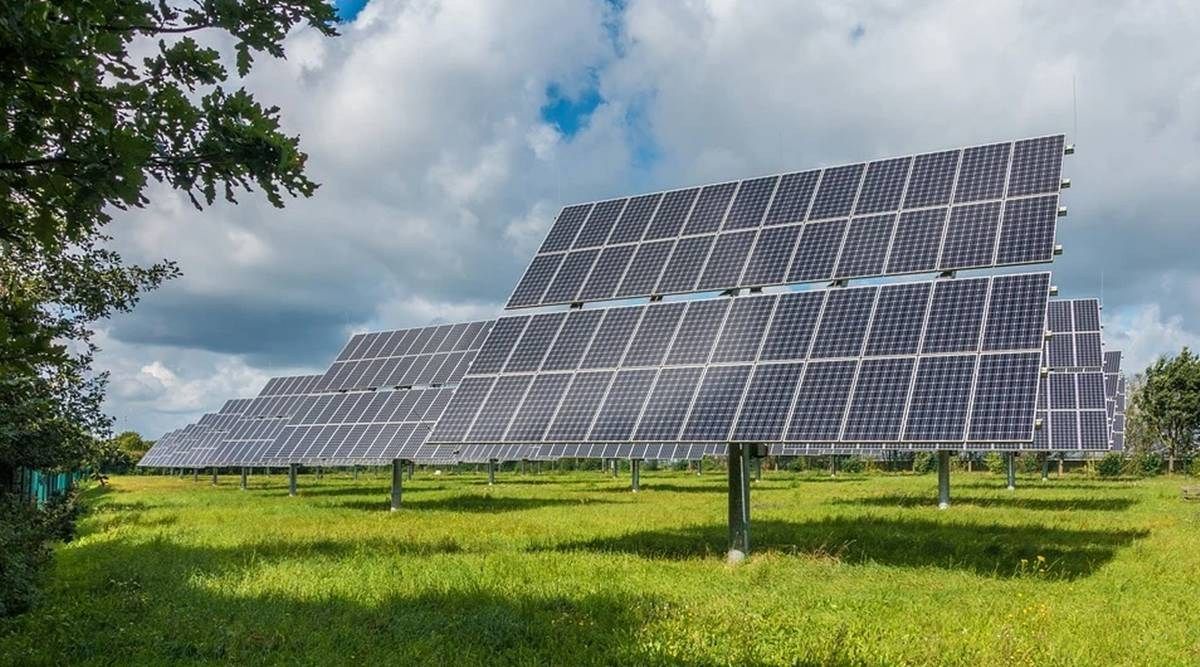
India's ambition to scale green finance is being undercut by a fragmented regulatory landscape and a striking absence of incentives, according to an analysis in Business Standard — a combination that is deterring market participants even as the intent to grow sustainable finance strengthens. The column argues the gap between intent and implementation has become the market's biggest deterrent.
A key challenge stunting India's green finance growth is that regulators are operating through disparate rules and supervisory expectations rather than a cohesive policy framework. The most glaring gap is the absence of a finalised, statutory national green taxonomy. While the European Union's taxonomy provides a uniform set of criteria to determine sustainable activities, India continues to rely on interim lists.
Green finance needs a national green taxonomy
The absence of an anchor taxonomy forces issuers to seek bespoke legal opinions on eligibility for every green issue, and creates gaps in documentation because definitions linked to an official taxonomy are missing. The regulatory architecture demands extensive upfront disclosures, ongoing post-listing updates and third-party impact reporting — yet there are no Sebi- or RBI-approved model documents or standard loan clauses, making transaction documentation time-consuming and inconsistent. For smaller issuers, this multiplies legal review costs and acts as a severe barrier to entry. Smaller issuers face the steepest compliance burden relative to deal size.
The fix, the analysis argues, is scaled disclosures: the rules currently apply uniformly to all issuers regardless of size. A reduced pre-listing and post-listing disclosure regime for smaller issuances, plus standardised template covenants for green financing, could heavily incentivise participation and enable quicker legal sign-offs — a practical step to widen the green finance market. Standardised documentation would also cut legal costs for first-time issuers, widening the market beyond large corporates.
Green finance lacks fiscal and prudential incentives
Another major bottleneck for sustainable finance in India is the lack of fiscal or prudential carrots. It is a common misconception that regulatory frameworks inherently offer financial perks for green initiatives; in reality, the RBI has not built prudential concessions into its climate finance directions. There are no relaxations on the cash reserve ratio or the statutory liquidity ratio for green lending, and India offers no tax relief, interest subsidies or credit guarantees for green bonds of the kind seen in China or Germany.
Without institutional mandates or regulatory incentives linking green instruments to portfolio requirements, India's domestic institutional investors — insurers, pension funds and mutual funds — must compete on yield alone, which is structurally disadvantageous for green instruments. Meanwhile, every lender defines what counts as "green" differently, making it hard to build green loan portfolios with confidence. Until the RBI pairs its climate finance expectations with tangible incentives, and until a statutory green taxonomy anchors the market, weather-related shocks will continue to deepen financial stress for India's most vulnerable households and enterprises.
Green finance and India's climate targets
India's climate finance gap is among the largest in the emerging world, and sustainable finance is central to closing it. The International Energy Agency has noted that India must sharply increase clean-energy investment to meet its emissions pathway and rising electricity demand — yet without a functioning green finance pipeline, that capital cannot flow at the required scale. State-level capacity is another weak link: states control land, electricity distribution and building codes, yet most lack credible climate-budgeting frameworks, leaving adaptation projects underfunded.