India PMI hits four-month high of 56.7 in October
India's private sector activity expanded at its fastest pace in four months in October as the HSBC Flash India Composite Output Index rose to 56.7 from 55.9.
by Trends DeskOctober 25, 20264 min read
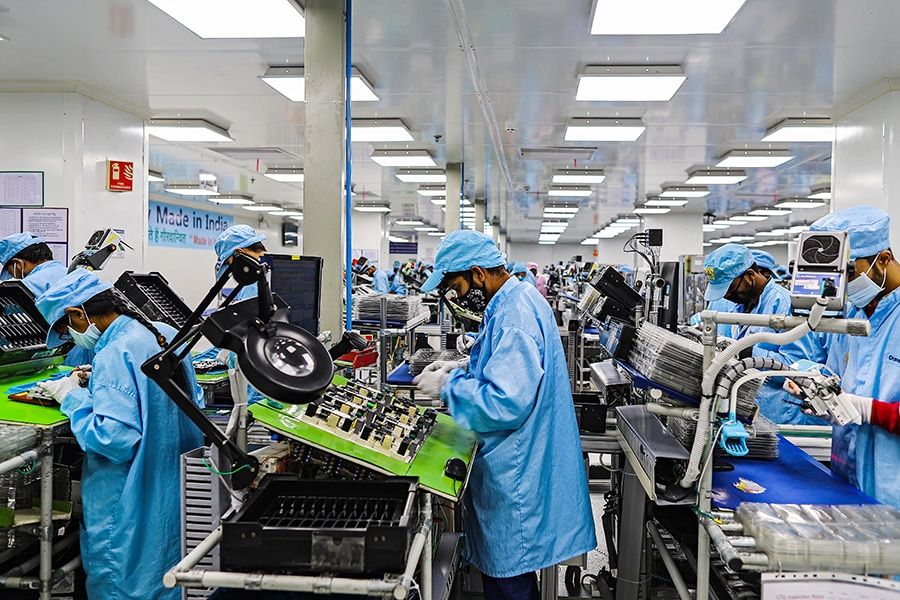
India's private sector activity expanded at its fastest pace in four months in October 2026, as the HSBC Flash India Composite Output Index rose to 56.7 from 55.9 in September. The India PMI reading, compiled by S&P Global, marked the strongest expansion since June and stayed above the 50 point mark that separates expansion from contraction for the 63rd consecutive month. The result also beat the median forecast of 56.1 in a Reuters poll, according to Reuters reporting carried by The Economic Times.
The India PMI is a survey-based indicator of the direction and breadth of changes in business activity, rather than a direct measure of output growth. A reading of 56.7 does not mean output grew by 56.7 percent. The HSBC PMI flash reading is preliminary, and the final October figures are due in early November.
India PMI services lead the rise
The services sector drove much of the improvement. The HSBC Flash India Services PMI Business Activity Index rose to 56.2 in October from 55.2 in September, as firms reported stronger demand, improved market conditions and greater volumes of new business. Services cover information technology, financial services, transport, hospitality and professional business services. Stronger activity in these industries can support revenue growth and demand for related businesses, but the stronger reading did not bring more hiring: services sector firms kept employment unchanged, ending nine consecutive months of workforce expansion.
India PMI manufacturing still expands
Manufacturing stayed in expansion territory, though its headline PMI eased to 54.9 from 55.1. The manufacturing output index edged up to 57.6 from 57.5, showing production continued to grow. The headline manufacturing PMI reflects new orders, output, employment, supplier delivery times and inventories, so a fall in the headline figure does not mean factory production fell. Slower job creation weighed on the headline reading even as output and demand stayed broadly stable. The India PMI data for manufacturing therefore point to steady production with softer hiring.
India PMI export orders and hiring
New export orders increased at their fastest pace in six months, with respondents citing demand from the United States, the United Kingdom, West Asia and Bangladesh. The acceleration was concentrated among goods producers, while growth in overseas demand for services weakened. Manufacturers responded to stronger demand by building inventories of purchased inputs and finished goods. The India PMI export detail shows overseas demand helping Indian businesses even as companies stayed cautious about expanding workforces.
Employment was the weakest part of the India PMI survey. Overall private sector job creation was marginal and grew at its slowest pace so far in 2026, as businesses said existing staffing levels were generally sufficient for current workloads. Outstanding work declined for the third time in four months, and backlogs were cleared at the joint-fastest pace in six and a half years, matching August 2021. Input-cost inflation eased for the seventh consecutive month to its lowest level in almost a year, while selling-price inflation slowed, with output prices rising at their slowest pace since March 2025. Business confidence rose to its highest level since May, though it stayed below the average recorded so far in 2026.
Higher steel and transportation costs remained concerns for some firms, even as businesses across manufacturing and services reported weaker increases in material and input prices. Increases in manufacturing selling prices were the weakest in almost four years. The survey's price measures track reported changes in business costs and prices, rather than providing a direct measure of consumer price inflation, and the survey alone does not establish what the Reserve Bank of India will do with interest rates.
The October India PMI survey points to improving momentum led by the services sector and supported by export orders, with easing cost pressures giving businesses more room to manage margins. The main uncertainty is whether the expansion will turn into broader employment growth and hold in the months ahead. A strong PMI reading is encouraging, but it is not a substitute for GDP, industrial production, employment or inflation data. The final October HSBC PMI release and later economic indicators will show whether the improvement marks a sustained acceleration or a temporary strengthening in business activity.