India privacy law faces Supreme Court challenge from publishers
Twenty-one news publishers told the Supreme Court the India privacy law amounts to pre-censorship, arguing journalists would need consent before publishing.
by Trends DeskOctober 27, 20263 min read
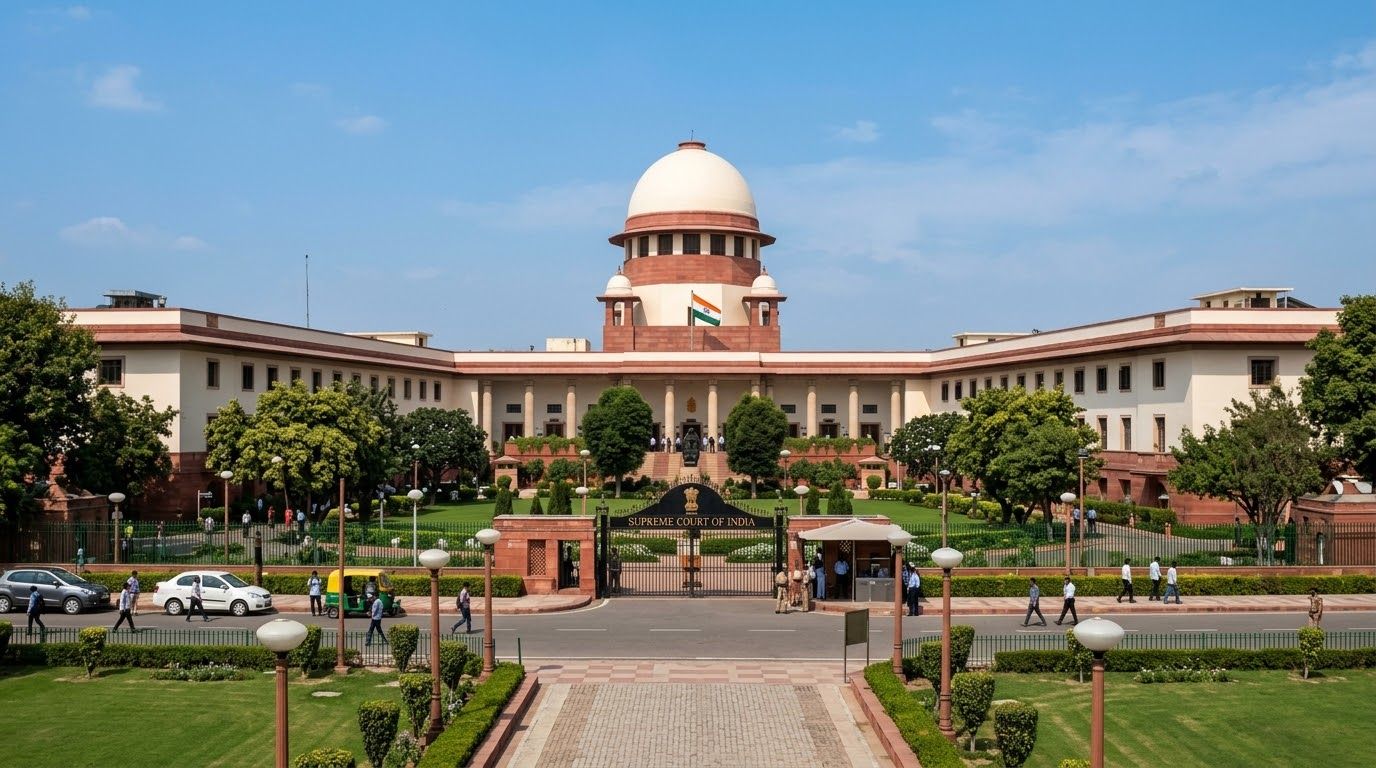
Media groups told the Supreme Court on Tuesday that the India privacy law would force journalists to seek consent from people they write about, a rule they said amounts to pre-censorship and could shut newsrooms. The hearing opened the most high-profile challenge yet to the law, brought by 21 news publishers.
The group includes companies owned by billionaires Mukesh Ambani and Gautam Adani. In a filing earlier this month, the news publishers said the law would damage investigative work and let the government identify journalists' sources. Reuters reported on Monday that the challenge had been filed, and the court heard the first arguments on Tuesday.
Madhavi Goradia Divan, the lawyer for the Digital News Publishers Association, told the judges: "It is changing the whole concept of what is news." She added: "Newsrooms will shut down, if we have to ask for permission... it is then a complete regime of pre-censorship." Her words set out the publishers' case in plain terms: a consent rule would reach into daily reporting, not just into rare or sensitive stories.
What the India privacy law would require
Under the publishers' account, the India privacy law would require journalists to get consent from people they cover before publication. The news publishers said media companies received assurances in an August meeting with the government that the law would protect press freedom. What troubles them, they said, is the absence of a written carve-out for journalists, of the kind that exists in the European Union, Singapore and Britain.
That gap is at the centre of the dispute over the India privacy law. The publishers argue that verbal assurances do not carry the same weight as a written exemption, and that newsrooms would have to work under rules that leave them exposed. Press freedom, in their argument, depends on protection that is written down and can be relied on in court.
Why publishers say the India privacy law hurts reporting
The publishers said the India privacy law would trample upon investigative work. Investigations often depend on material that people in positions of power would rather keep quiet, and a consent rule would give those people a way to block stories before they appear. The news publishers also argued that the law would allow New Delhi to identify journalists' sources, which would make sources less willing to speak.
For working newsrooms, the publishers' case is that consent would change routine practice, not just exceptional cases. Reporters write about named people every day, from officials and business leaders to witnesses and complainants. If each story needed permission first, the publishers said, the pace and scope of reporting would narrow, and some stories would not be published at all.
What happens next for the India privacy law challenge
The Supreme Court posted the case for next month. That step matters for how the story should be read: the court has not ruled on the law, and the claims made on Tuesday are arguments put forward by the news publishers, not findings by the judges. The case will return for further hearing, and the government will have its chance to answer the challenge.
The India privacy law case will be watched closely because it tests how far consent rules can reach into reporting. The publishers have asked the court to weigh press freedom against the privacy protections the law is meant to provide. The Supreme Court posted the case for next month.