Job outlook for recent college graduates in the US
U.S. News and World Report looks at what recent college graduates face in the current hiring scene, from hiring trends to the fields hiring first.
by Trends DeskOctober 24, 20264 min read
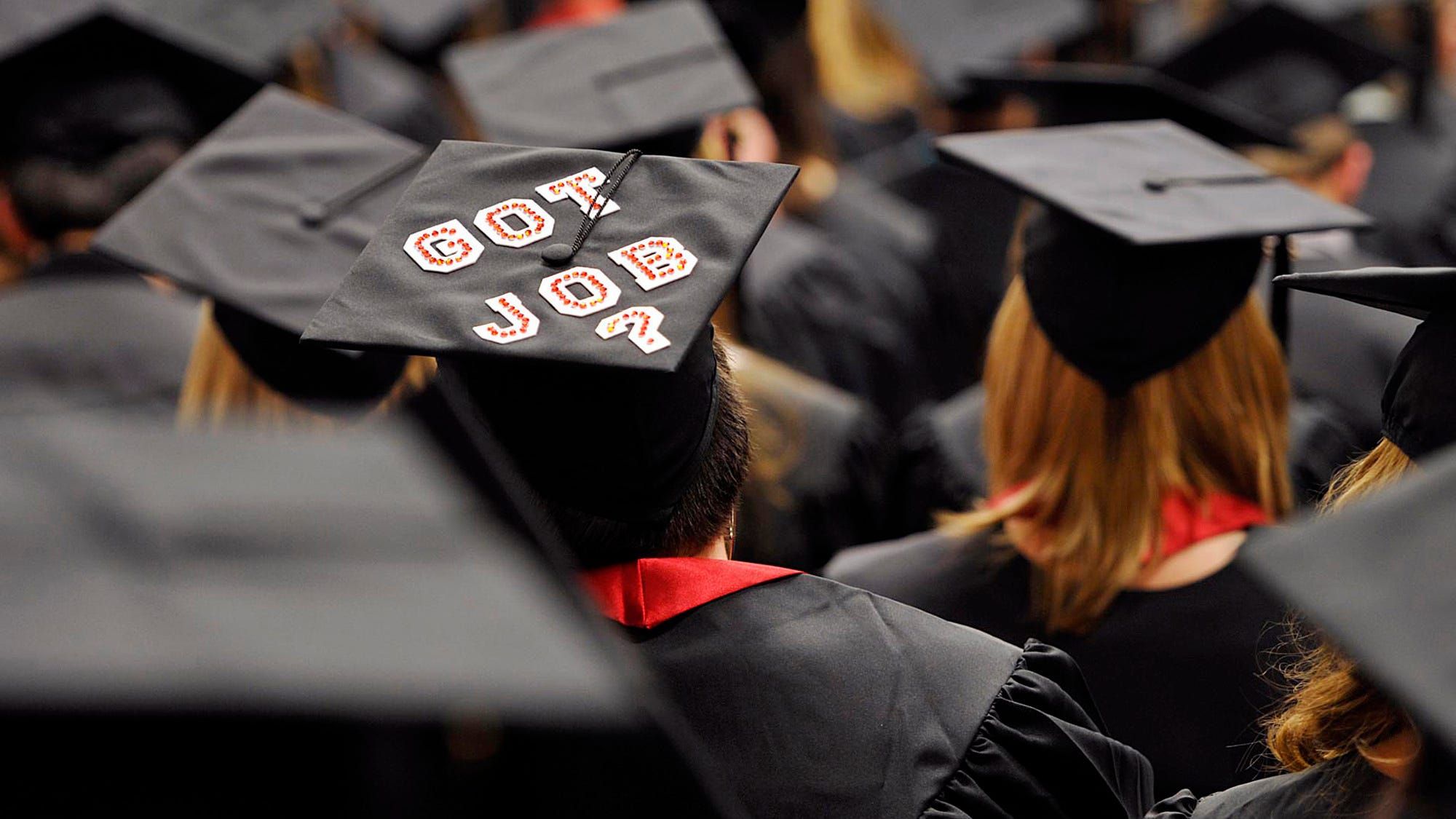
A new report from U.S. News and World Report looks at the job outlook for recent college graduates as they leave campus and start looking for work. The report describes a market where openings exist but competition for the first job after graduation can be stiff, and where the field of study, the place a graduate looks, and the kind of employer they target all shape the result. For recent college graduates, the first months after graduation often set the tone for the years that follow, since early pay and early experience feed into later moves.
The report frames the search as a test of patience as much as of preparation. Employers still hire new graduates, the report says, but many now weigh internships, part time work done during study, and practical skills next to the college degree itself. That shift means a diploma opens doors, yet the graduates who can point to work they have already done tend to move faster through the recruitment process.
What recent college graduates face in hiring
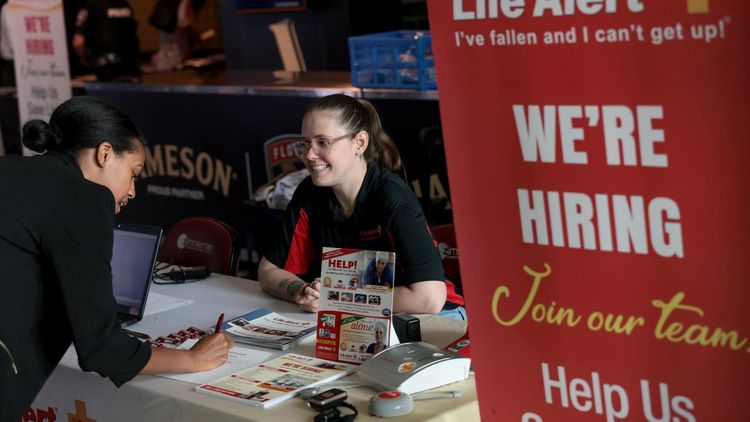
Recruitment for entry level roles moves in cycles, and recent college graduates enter the job market at a moment when employers are more selective than they were during the strongest recruitment surges. Some firms post fewer graduate roles and take longer to fill them, while others keep recruiting steadily in fields where demand stays firm. The report notes that graduates who apply widely and early tend to hear back sooner, since many employers fill graduate roles in waves tied to their own budgets and project plans.
Pay also varies widely. Starting pay for recent college graduates depends on the industry, the city, and the role, and the report warns against judging the whole market by the highest salaries quoted in a few fields. Graduates in health care, engineering, and some areas of technology often see stronger starting pay, while roles in the arts, media, and nonprofit work tend to start lower. The gap between fields has been a steady feature of the graduate hiring scene, and the report treats it as a fact graduates should weigh when they pick a first role.
How recent college graduates can read the job market
The market for graduates rewards who can show what they can do, not only what they studied. The report points to internships, campus jobs, volunteer work, and course projects as evidence employers read closely. A graduate who can describe a project, a result, and a skill learned from it gives a hiring manager something concrete to judge, and that matters more in a crowded field of applicants.
The college degree still carries weight with employers, the report says, but it works best when paired with a clear account of skills. Graduates who can name the tools they use, the problems they solved during study, and the work they can do on day one stand out in interviews. Employers, in turn, say they want graduates who can learn on the job, since most entry level roles change fast in the first year.
Where recent college graduates find openings first
Some sectors hire graduates earlier in the year than others. Health care providers, schools, and government agencies often recruit on a set calendar, while private firms hire when a vacancy opens. The report advises graduates to track both patterns, applying to scheduled graduate schemes early and watching for single openings through the year.
Networking remains part of the search. Referrals from lecturers, former internship supervisors, and alumni still lead to interviews, and the report notes that many graduate roles are filled through contacts before they reach a public job board. That does not mean online applications are wasted, but recent graduates who only apply online may miss roles that move through word of mouth. Recent college graduates who ask former supervisors for introductions often reach decision makers faster.
For recent college graduates still searching, the report offers a plain message. Keep applying, keep a record of each application, and treat each interview as practice for the next one. The job market moves slowly for some and fast for others, and a first job that pays less than hoped can still lead to a better second job within a year or two. Recent graduates who keep building skills while they search, through short courses or freelance work, give themselves more to show at the next interview, and the report closes by noting that most graduates do find work, even when the search takes longer than planned.