Ebola Kenya: 4 New Cases Raise Total to 7
Kenya confirmed four new Ebola cases, including three health workers, bringing the total to seven. Contacts are quarantined; no community transmission reported.
by Trends DeskOctober 18, 20263 min read
Kenya has confirmed four new Ebola cases, bringing the country's total number of confirmed Ebola infections to seven, health officials announced. The four new patients include three health workers, a detail that underlines the danger the virus poses to frontline medical staff. Authorities said every known contact of the confirmed cases has been placed in quarantine, and officials stressed there is no evidence of community transmission.
Kenya Confirms Four New Ebola Cases
Laboratory testing identified the Bundibugyo species of the Ebola virus in the newly confirmed patients, matching the strain behind the country's earlier cases. The Bundibugyo virus, first recognized during an outbreak in Uganda, is one of several ebolaviruses known to cause viral hemorrhagic fever in people. Infection can progress from fever and body aches to severe complications within days.
Health Workers Among the New Ebola Cases
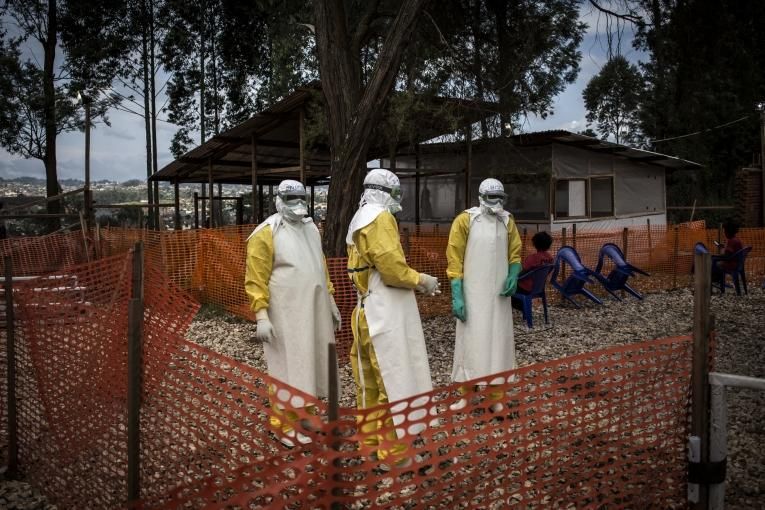
Three of the four newly confirmed Ebola cases are health workers, according to officials. Medical personnel face disproportionate risk from viral hemorrhagic fever because it spreads through direct contact with the blood or body fluids of infected people, and caregivers have close, repeated contact with patients. Protecting health workers with isolation units, personal protective equipment and strict infection-control procedures is therefore one of the central pillars of any response to the disease.
Quarantine and Contact Tracing in the Kenya Outbreak
Kenya health officials said all known contacts of the seven confirmed patients have been traced and placed under quarantine. Contact tracing — finding everyone who may have been exposed to a confirmed patient and monitoring them through the virus's incubation period — is the standard tool for breaking transmission chains in the Kenya outbreak. Officials said surveillance teams are checking quarantined contacts daily, and no secondary infections outside known contact chains have been detected.
What to Know About Symptoms of the Virus
Ebola typically begins with sudden fever, intense weakness, muscle pain and sore throat, followed by vomiting, diarrhea and, in severe cases, bleeding. Symptoms usually appear two to 21 days after exposure. Health officials urged anyone who develops symptoms after contact with a confirmed Ebola patient to seek medical care immediately, avoid close contact with others and avoid touching the body fluids of anyone who is sick.
Next Steps in the Response
With all contacts under observation, officials say the coming weeks will be decisive. If the quarantined contacts complete their monitoring periods without developing Ebola, the transmission chains can be considered broken. Kenya health officials said response teams, laboratories and treatment units remain on alert, and regional and international public health partners stand ready to assist if the caseload grows.
East Africa has confronted viral hemorrhagic fever before, and previous responses have shown that rapid case-finding, isolation of patients, careful monitoring of contacts and clear public communication are decisive. Experts say the same measures give the country its best chance of stopping the Bundibugyo virus and ending the Kenya outbreak quickly: find every case fast, protect every caregiver, and keep the public informed without causing panic.
How Ebola Spreads — and How It Doesn't
Ebola spreads only through direct contact with the blood or body fluids of a person who is sick with the virus or has died from it; it does not spread through the air, through casual contact, or through properly prepared food and water. That is why household members and caregivers face the highest risk, and why protective equipment is so critical inside treatment units. Objects contaminated with infectious fluids can also transmit the virus, which is why disinfection protocols are strict.
What Ebola does not do is equally important for public calm: simply being in the same room as a patient, or walking past someone on the street, is not considered a transmission risk. Health educators say clear messaging on these points helps prevent both the stigma that patients and their families can face and the kind of fear that drives cases underground, away from the care that saves lives.