Education reform: McMahon opens 'Next 250' series in Utah
Education Secretary Linda McMahon launched a four-part 'Next 250' education reform series in Utah, pushing academic rigor, civics and phonics literacy.
by Trends DeskOctober 23, 20264 min read
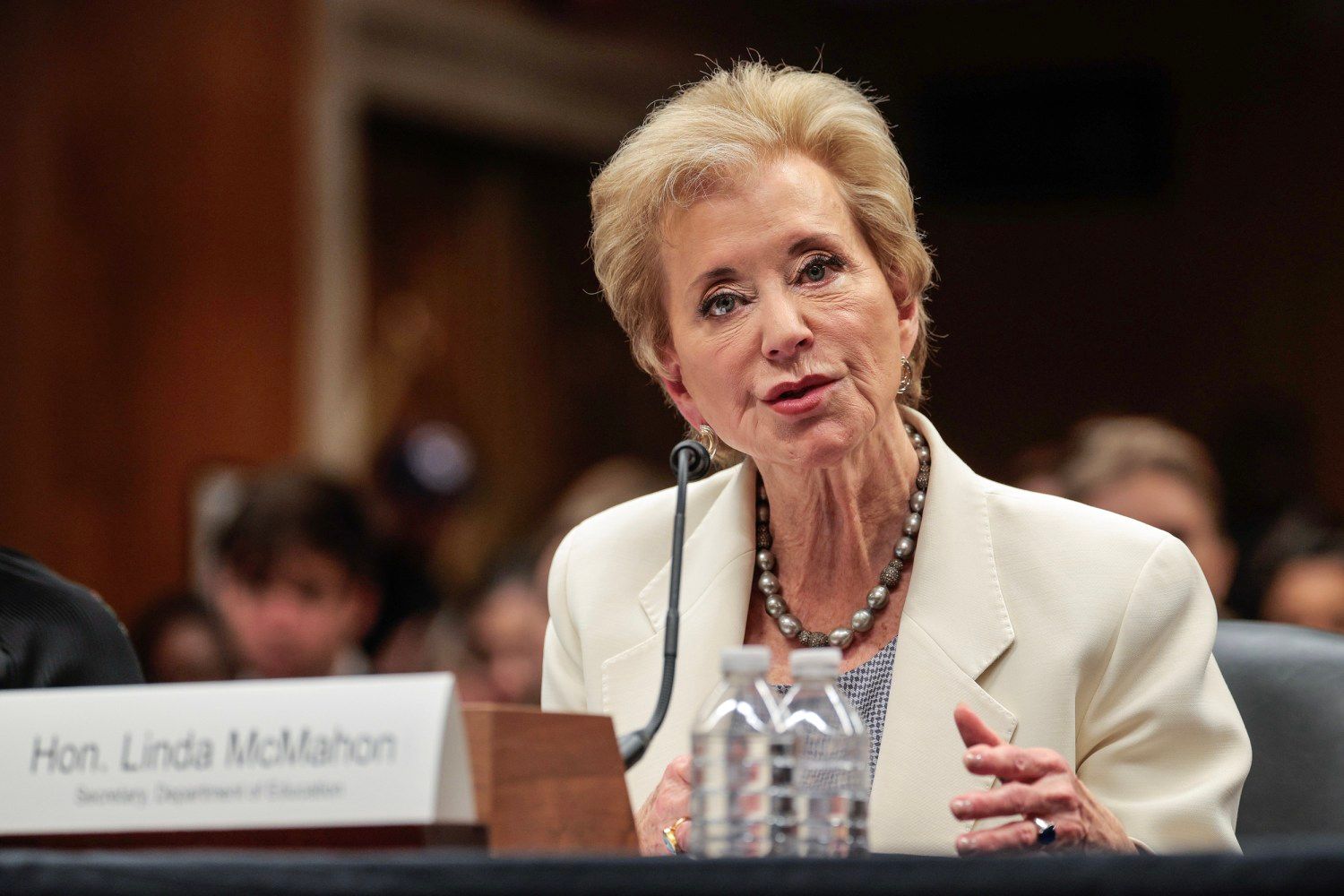
SALT LAKE CITY, Utah: U.S. Secretary of Education Linda McMahon launched a four-part education reform series on Tuesday with a speech at American Preparatory Academy in Salt Lake City, laying out the Trump administration's vision for the next 250 years of American schooling.
The series, titled "The Next 250: American Education," will examine K-12 instruction, workforce development and higher education. McMahon said schools should put academic achievement ahead of administrative expansion, and she argued that returning authority to states and parents is the right path for the country's school system.
The secretary stressed academic rigor, civics education and literacy. She criticized what she called decades of federal spending that have failed to lift student performance, and she urged schools to concentrate on foundational skills such as reading and mathematics.
Education reform priorities in the Next 250 series
The new education reform agenda rests on three ideas, according to McMahon: higher academic standards, stronger civics instruction and more control for states and local communities.
Literacy was a central theme. McMahon said too many students leave school without the reading skills they need, and she pointed to phonics-based instruction as the method schools should use. She said mathematics proficiency must also improve, arguing that federal dollars have not produced the results the spending promised.
Civics education featured as well. The Department of Education previously announced a federal grant priority supporting patriotic education, with an emphasis on American history, founding principles and constitutional government. McMahon folded that effort into the broader education reform push on Tuesday, presenting civics as a subject that deserves as much attention as reading and math.
The secretary also repeated the administration's position that families and educators, not federal officials, should decide academic priorities. That message has run through the department's policy changes since January, when McMahon said the administration had already moved on college affordability, student loans and campus policies alongside its K-12 plans.
Connecticut spending cited as the problem
To illustrate her criticism of school spending, McMahon cited the case of a Connecticut high school graduate who sued her school district after graduating with honors despite, she says, struggling with basic reading and writing skills.
She then turned to the district's finances, saying it operates on an approximately $400 million budget and pays a DEI-related administrative employee compensation approaching $200,000 a year. McMahon contrasted those figures with classroom instruction, saying money spent on administration and ideological programs takes attention away from teaching children to read, a point she framed as a core reason for the education reform series.
The secretary said schools should spend less on bureaucracy and more on the fundamentals. Phonics-based literacy programs and academic accountability, she said, are where the focus belongs. McMahon presented the Connecticut figures as the problem her education reform agenda is meant to fix.
Education reform extends to colleges
The education reform message reaches beyond elementary and secondary schools. In an August announcement, McMahon urged university presidents and governing boards to take on academic rigor, intellectual diversity, affordability and institutional accountability.
She called on higher education institutions to publish their reform plans by the end of 2026, including steps to address grade inflation, faculty hiring practices and the value of a college degree. The request put colleges on notice that the administration expects public commitments, not just statements of intent.
McMahon had previously criticized universities for growing administrative offices devoted to diversity and compliance programs while, in her view, doing too little to protect free inquiry and academic standards. The remaining parts of the Next 250 series are expected to take up higher education, where those themes are likely to return.
What comes next for the series
The department has not announced dates for the workforce development and higher education installments. According to the administration, the series will shape education reform policy around academic performance, institutional accountability and reduced federal oversight.
Linda McMahon closed the first installment of the education reform series by restating the three themes she wants schools to follow: more phonics and civics in the classroom, more authority for states and parents, and less money spent on federal and district bureaucracy.