Measles Outbreak: 4,400 Cases, Nearly Double Last Year
More than 4,400 measles cases confirmed nationwide — nearly double last year's decades-high total — with Pennsylvania the epicenter at 1,000+ cases.
by Trends DeskOctober 19, 20263 min read
The CDC has reported more than 4,400 confirmed measles cases nationwide as of Oct. 15, as a fast-moving measles outbreak nearly doubles last year's already decades-high total and strains public health agencies across the country.
Pennsylvania, the epicenter of the nation's largest outbreak, surpassed 1,000 cases in early October — up from just 106 statewide last year. Several other states are battling sizable outbreaks of their own, each with more than 100 infections.
On Oct. 13, the CDC said it would deploy more support to Pennsylvania, stepping in after a public feud between Health and Human Services Secretary Robert F. Kennedy Jr. and the state's governor over how measles-associated deaths should be defined and counted.
The 2025 Texas outbreak, which killed three people, was the country's deadliest measles episode in years and set the stage for the current surge. Last year's national total was already the highest in decades, making this year's near-doubling especially alarming to epidemiologists tracking the rising measles cases.
How the Measles Outbreak Spread Across States
The federal Epi-Aid emergency response program is also assisting Texas, South Carolina, Virginia, Kansas, New Mexico and Wisconsin, a footprint that shows how widely the virus has traveled. Epi-Aid teams provide on-the-ground epidemiological support when state health departments request federal help with urgent investigations.
Public health officials say falling vaccination rates are the engine of the resurgence. Communities with low MMR vaccine uptake give the highly contagious virus room to spread, and each new cluster raises the odds that the United States could lose its measles elimination status — a designation reflecting the absence of continuous domestic transmission.
Measles is among the most contagious viruses known, spreading through the air when an infected person coughs or sneezes. Elimination status does not mean zero cases; it means the absence of continuous homegrown transmission for at least 12 months — a benchmark that requires consistently high vaccination coverage.
The World Health Organization is expected to review the U.S. status next month. Declining vaccination rates will be central to that assessment, as reviewers examine whether continuous transmission has resumed in communities with the lowest coverage.
Can the US Contain the Measles Outbreak?
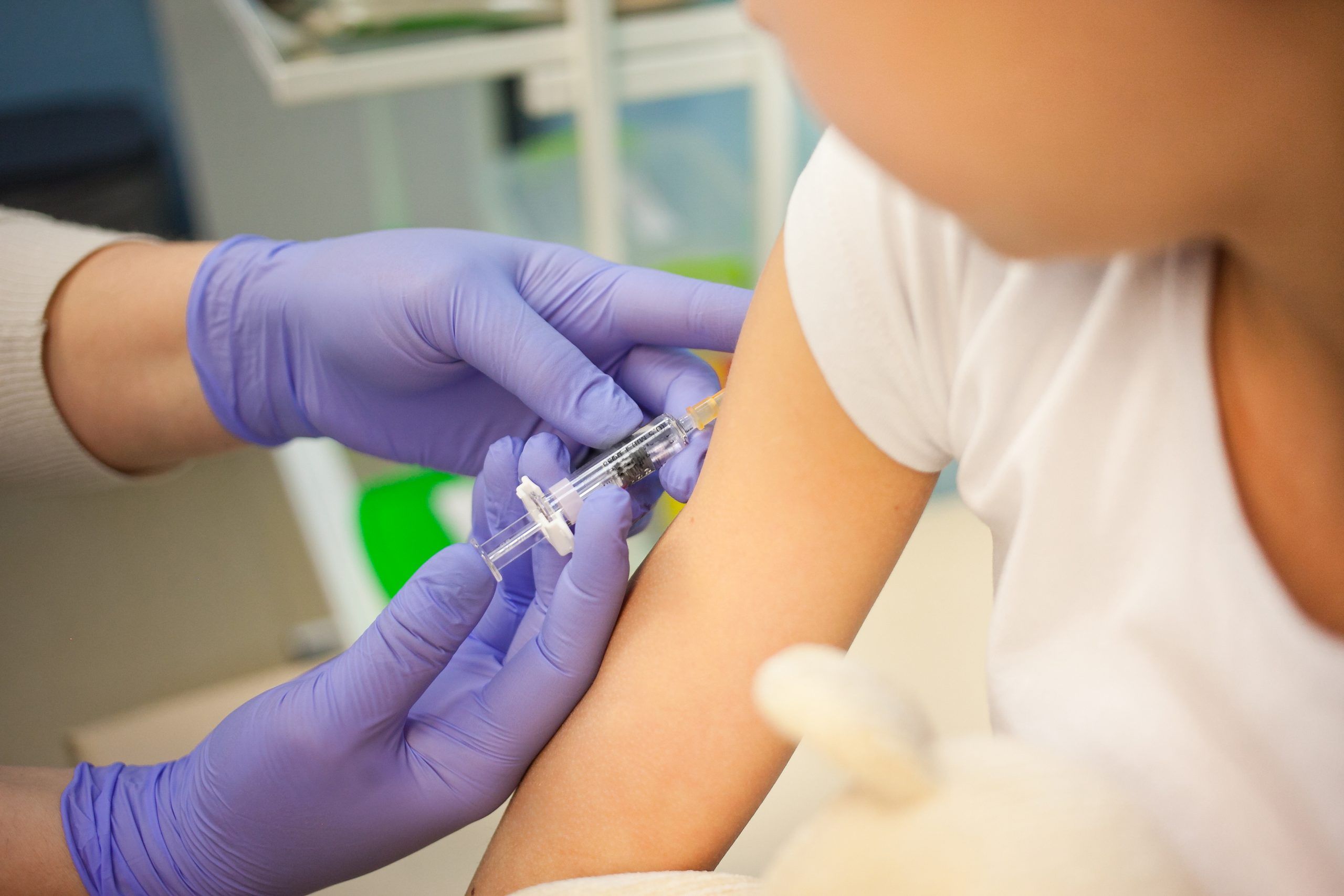
Health experts say containment depends on closing immunity gaps quickly. The MMR vaccine remains the primary defense against the virus, and officials in affected states have urged residents to verify their vaccination status. Each week of sustained transmission makes it harder to break chains of infection before the WHO review.
The political fight in Pennsylvania has complicated the response. Disagreements between the HHS secretary and the governor over how to define and count measles-associated deaths spilled into public view this month, even as case counts climbed past 1,000. The decision to send additional federal support signals that officials view the situation as urgent regardless of the dispute.
State health departments say contact tracing and isolation of cases remain central to the response, alongside vaccination drives in under-immunized communities. Federal officials have not said how long the additional federal deployment will last.
The WHO review expected next month will assess whether continuous transmission has resumed. Losing elimination status would be a symbolic blow and could complicate international travel guidance, though it would not change the medical advice: vaccination remains the best protection.
Whether the current measles outbreak marks a temporary spike or a longer-term reversal will become clearer in the coming months. For now, the numbers tell a stark story: more than 4,400 confirmed infections, a total nearly double last year's high, and a public health system racing to keep pace.