Mumbai slum redevelopment push targets 228 stalled projects
Mumbai slum redevelopment has a new policy push, with 228 stalled or pending projects across the Mumbai Metropolitan Region lined up for joint venture delivery.
by Trends DeskNovember 19, 20264 min read
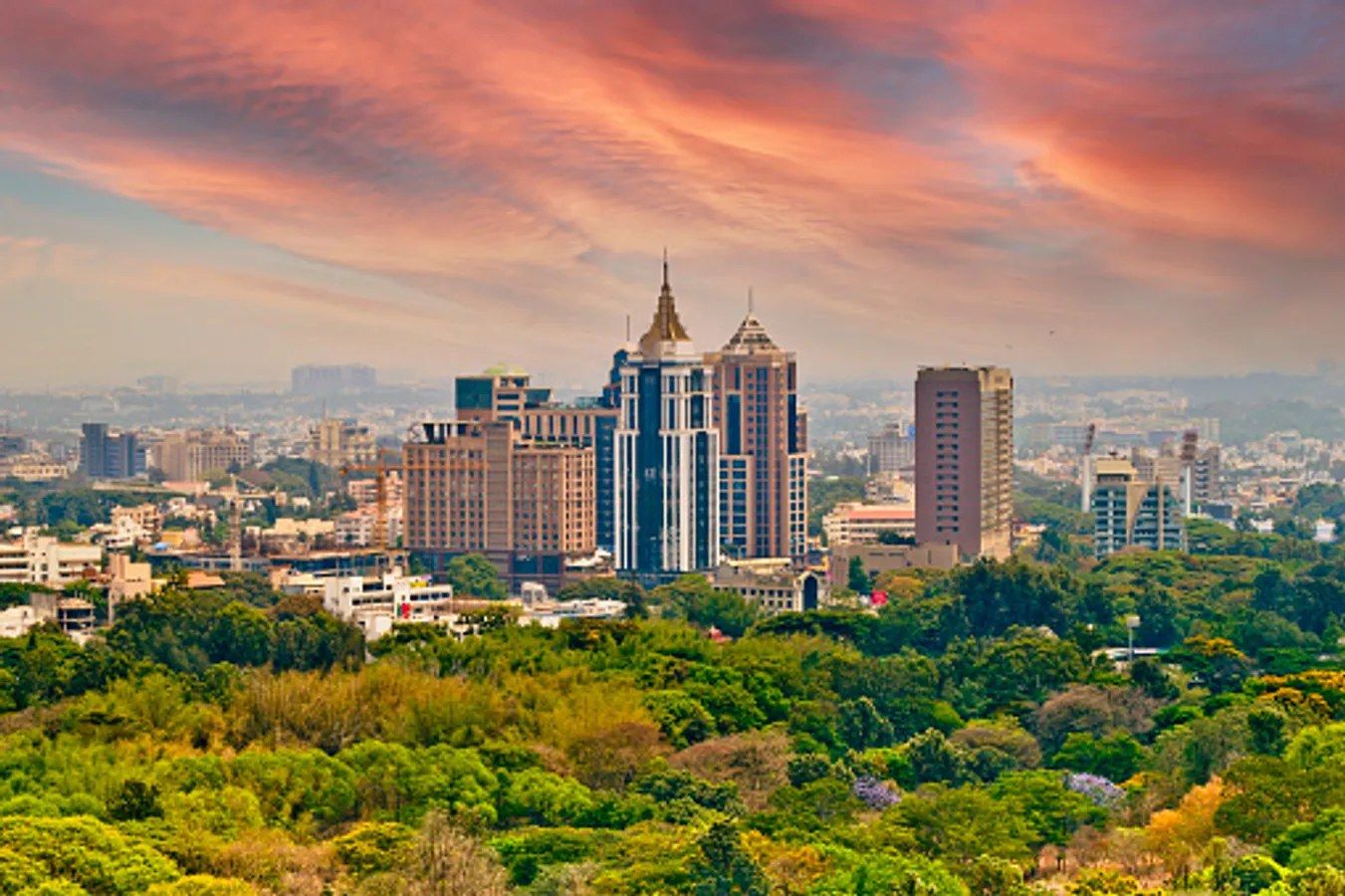
Mumbai slum redevelopment is moving towards larger, integrated projects as Maharashtra tries to draw major corporate developers into housing and infrastructure work. The State Housing Policy 2025 estimates that about 52 lakh people live in the city's slum settlements.
The revised approach promotes the redevelopment of multiple settlements together, offering incentives to make projects more financially viable while creating scope for improved housing, roads and civic facilities. Maharashtra's urbanisation rate stands at 45 per cent, and infrastructure shortages, high construction expenses, land disputes and funding limits continue to affect housing development. Mumbai slum redevelopment has to deal with all four at once.
Mumbai slum redevelopment through cluster projects
Cluster redevelopment is the centre of the new approach. The policy allows two or more slum settlements within a ward to be combined when individual redevelopment is not technically or financially practical. An ANDPL spokesperson said, "Mumbai cannot solve urban planning challenges simply by replacing old buildings with new ones. City growth has pressured existing infrastructure. Cluster redevelopment is, therefore, the way forward for Mumbai."
The spokesperson said the strategy is to bring multiple societies together to create larger land parcels, allowing better-planned buildings, wider roads, improved drainage, open spaces, public amenities and essential infrastructure that piecemeal redevelopment cannot deliver. Mumbai slum redevelopment, on this account, is a planning exercise as much as a building programme, since the larger parcel is what makes room for roads and drains.
Mumbai slum redevelopment and the 228 stalled projects
The state has identified 228 stalled projects, described as stalled or pending slum rehabilitation projects across the Mumbai Metropolitan Region, for implementation through joint ventures involving government and semi-government agencies. The 228 stalled projects are the backlog the policy is aimed at, and joint ventures are the delivery route proposed for them.
For private plots exceeding 10 acres, the Mumbai slum redevelopment policy proposes a 50 per cent reduction in infrastructure, MRTP and land-use conversion charges. It also states that individual slum-dweller consent will not be required for these schemes. Vikas Chaturvedi, co-founder and chief executive of Xanadu Realty, said the November 2025 new slum cluster redevelopment policy is attracting conglomerates. He said it allows consolidation of fragmented plots into large contiguous clusters, removes the need for individual resident consent in large clusters and allows profitable mixed-use developments, which helps solve litigation problems that plagued projects in the past.
Chaturvedi also set out the developer side of the bargain. Developers fund construction, transit rent, approvals, maintenance and other rehabilitation obligations, while cash inflows are negligible initially. Projects can take a decade or longer, which makes financial strength essential. That timetable is one reason the Mumbai slum redevelopment policy is aimed at large firms rather than small builders.
Binitha Dalal, founder and managing partner of Mt K Kapital, said SRA redevelopment requires balancing rehabilitation, infrastructure and residents' livelihoods. She said society terms, development costs, infrastructure requirements and market demand determine whether projects can be delivered successfully. She added that aggressive commercial commitments may win a deal in the short term, while realistic agreements and sound project economics protect residents and developers over time. Mumbai slum redevelopment, in her account, has to hold rehabilitation and commerce together, since a deal that fails on either side stalls.
Mumbai slum redevelopment is already showing effects on nearby housing markets in one case cited in the report. Anarock data shows Matunga residential values increased around 37 per cent between 2021 and the end of 2025, reaching an average of Rs 43,470 per sq ft. Dalal said improved connectivity and infrastructure can support property values and rental demand in Matunga, Andheri and Wadala, although additional housing supply may moderate price growth in some segments.
In Dharavi, the redevelopment project has numbered 99,068 homes and surveyed 91,325. An ANDPL spokesperson said rehabilitation housing for eligible residents is free of cost, and that housing is being provided to all residents, going beyond eligible residents alone. The spokesperson said the project will support Dharavi's existing businesses and industries through better commercial spaces and livelihood opportunities.
Chaturvedi also pointed to a mismatch between homes and jobs. He said that over 20 years residential expansion went north and east, while employment centres stayed further south, and housing and infrastructure lagged demand, creating long commutes. He added that many residents spend 2 to 4 hours a day commuting.
The Mumbai slum redevelopment backlog stands at 228 stalled or pending projects for joint venture delivery. In Dharavi, 99,068 homes have been numbered and 91,325 surveyed.