Old cars stay on US roads as new prices climb
High prices and high loan rates are keeping Americans in old cars longer, and the average age of vehicles on US roads has hit a record.
by Trends DeskOctober 25, 20264 min read
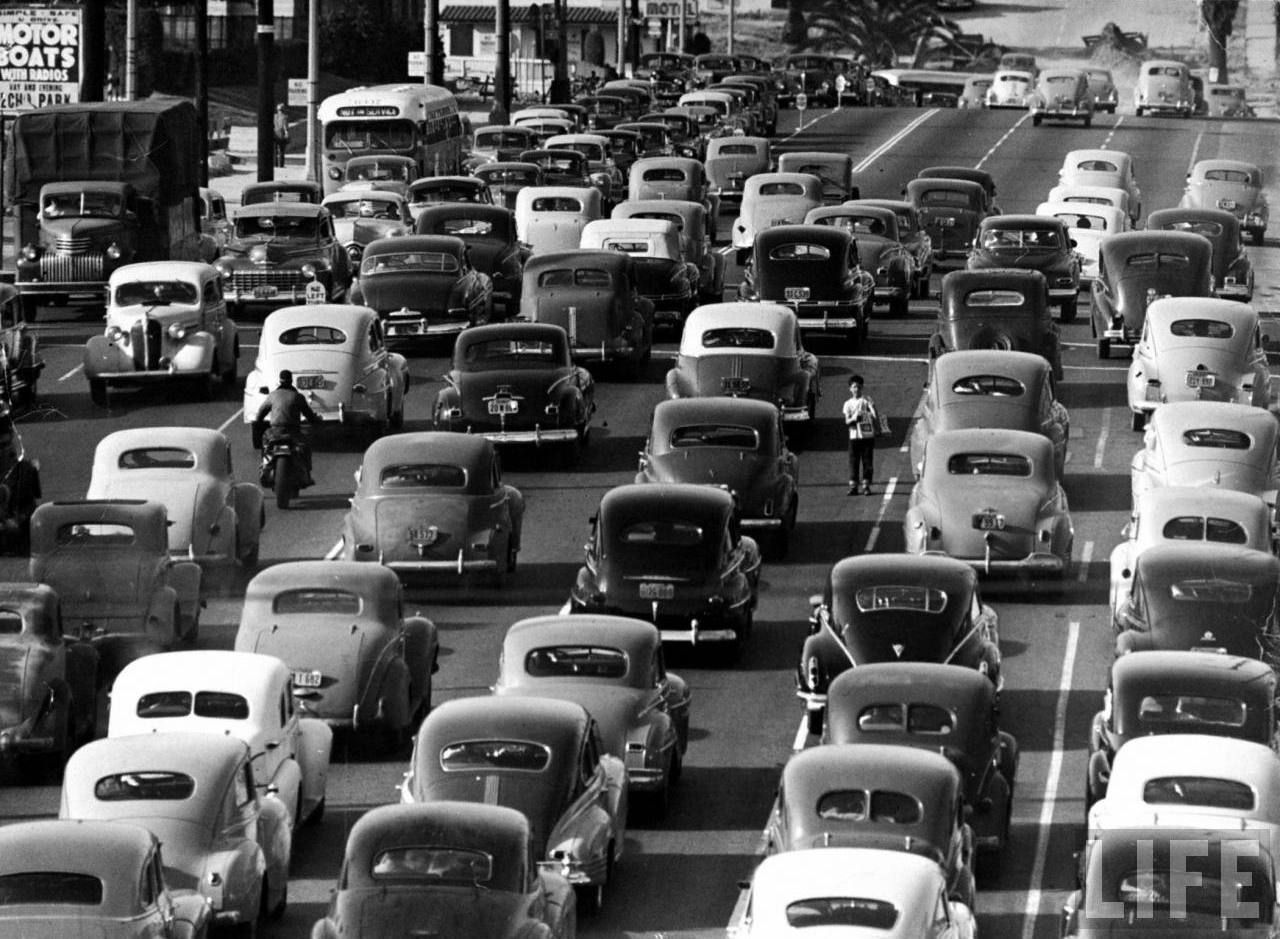
Prices for new vehicles are out of reach for many Americans, and the result is showing up in driveways across the country. Old cars are staying on the road longer than before, as buyers put off replacing vehicles they already own. Jalopnik has covered the trend, pointing to high interest rates and higher production costs as the forces behind it.
The numbers back up the picture. S&P Global Mobility reported that the average age of light vehicles on US roads reached 12.8 years in 2025, a record, while passenger cars averaged 14.5 years. The firm pointed to economic conditions, changing behaviour and vehicle durability as factors behind the ageing fleet.
Why old cars are staying on the road
New car prices are the first barrier. Kelley Blue Book reported that the average transaction price for a new vehicle reached a record $50,080 in September 2025. Industry analysts say prices have risen roughly 30% since 2020, while automakers have focused on larger SUVs, trucks and higher trims that bring in more profit. Those models suit wealthier buyers, but they push many middle income buyers out of the new car market.
Auto loan rates add a second barrier. Edmunds reported that the average annual percentage rate for financed new vehicles was 6.7% in the fourth quarter of 2025. Industry analysts put the average monthly payment for a new vehicle at approximately $767, with a growing share of buyers paying $1,000 or more each month. To keep payments manageable, more than 35% of new car buyers now finance for six years or longer, and Edmunds data showed loans of 84 months or longer reached a record 24% of financed new vehicle purchases in the second quarter of 2026.
Old cars look better by comparison when the owner has no monthly payment. A study cited by VehiclesGarage found 63% of respondents kept their vehicles because they were no longer making payments, while 53% cited reliability and 39% said they could not afford a new vehicle. The same study found 73% of Americans plan to keep their cars until the vehicle stops working. High auto loan rates and high new car prices together explain why so many drivers stay put. That is why old cars stay in service long after their loans end.
What old cars cost their owners
Keeping an older vehicle is not free, and owners trade a monthly payment for maintenance, repairs and the risk of a breakdown. Low maintenance costs, decent fuel efficiency and brand reputation all play a part in why people hold on, according to the study. Drivers who know their car's history and trust its condition have less reason to take on new debt for a replacement.
The used market offers little relief for those who do want to change cars. Edmunds data showed the average transaction price for a three-year-old used car reached $31,548 in the first quarter of 2026, after years of tight supply of late-model used vehicles. A buyer moving to a used car still faces a large payment, and financing a used car can carry a higher rate than financing a new one. For owners of old cars, that math often points back to keeping what they have.
How long old cars can keep going
Modern vehicles last longer than the cars of a generation ago. S&P Global Mobility cites modern vehicle durability as one factor behind the rising average age. Better rust protection, longer lasting engines and improved manufacturing mean a well kept car can pass 200,000 miles without major trouble.
The trend is expected to continue, and old cars will make up more of the fleet. S&P Global Mobility estimates that vehicles 6 to 14 years old will grow from about 38% of vehicles on the road in 2024 to an estimated 40% through 2028. That shift changes the market for dealers, repair shops and parts suppliers, since older vehicles need more service than new ones. It also means the average vehicle age figure may keep climbing even if prices level off.
Whether prices for new vehicles fall enough to reverse the trend is an open question. For now, high prices and high auto loan rates keep old cars in daily use, and the record vehicle age shows no sign of dropping soon. S&P Global Mobility estimates old cars aged 6 to 14 years will make up about 40% of vehicles on the road through 2028, up from about 38% in 2024.