NIH grant backs new test for severe male infertility
Path Fertility won a $2 million NIH grant to develop an epigenetic test for severe male infertility and the cancer risk linked to it, announced Oct. 26.
by Trends DeskOctober 26, 20264 min read
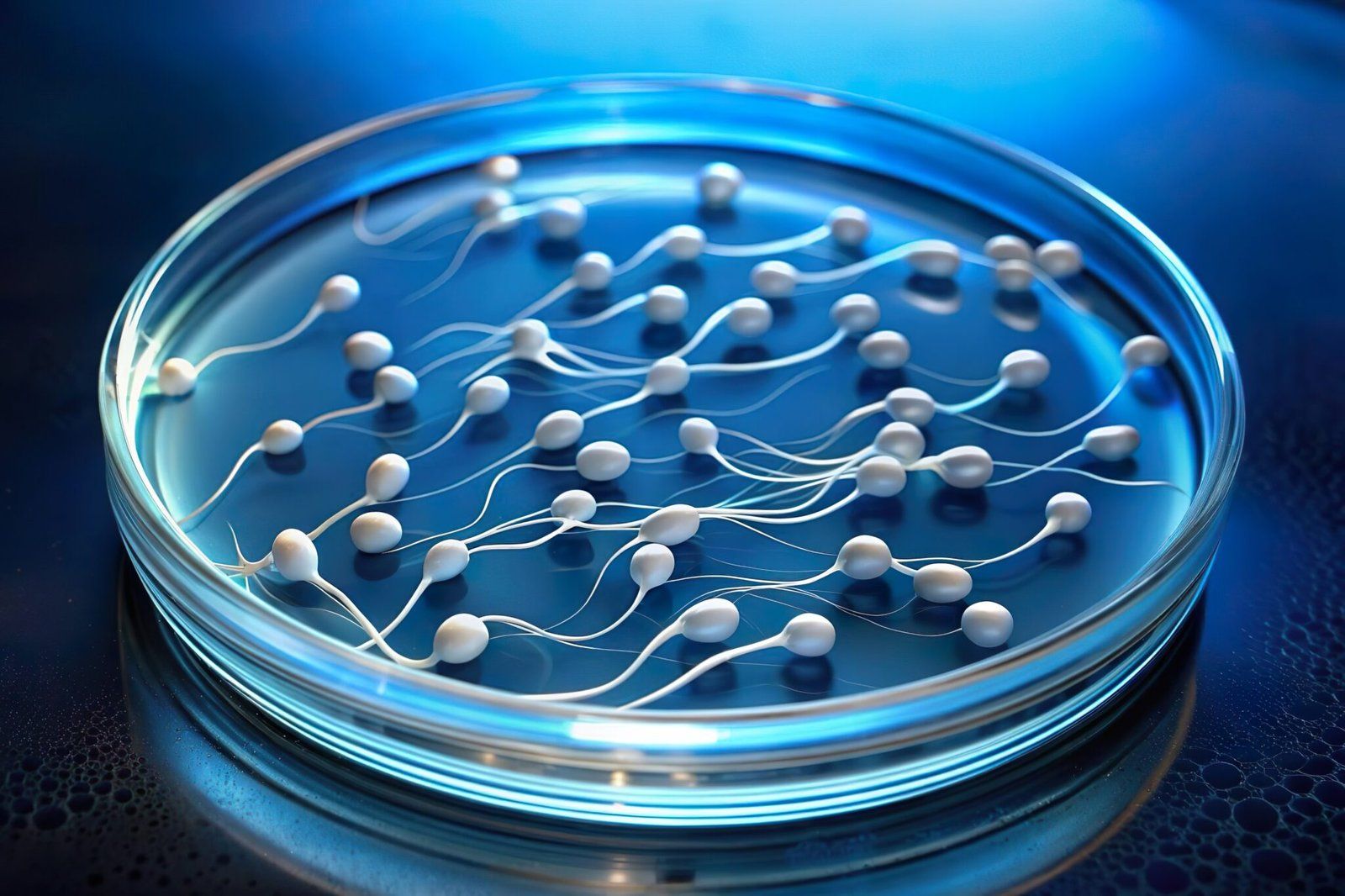
Path Fertility announced on October 26, 2026 that it has received a $2 million grant from the National Institutes of Health to develop an epigenetic test for the most severe form of male infertility. The male infertility test will look for epigenetic changes linked to non-obstructive azoospermia, a condition in which the testes make little or no sperm. The two year award comes from the Eunice Kennedy Shriver National Institute of Child Health and Human Development, part of the NIH, through its Small Business Innovation Research program.
Non-obstructive azoospermia, known as NOA, affects roughly 1 percent of men worldwide. Male infertility of this type is linked to higher risks of cancer and cardiovascular disease, according to Path Fertility. Men with male infertility are often told there is no explanation for their infertility, and they are rarely told it may signal risks to their overall health. Current tests, including karyotyping and Y chromosome microdeletion testing, leave many cases without an explanation. An epigenetic test that gives a molecular reason could change how those men are counseled and followed up.
Path Fertility is the commercial brand of Inherent Biosciences, a molecular diagnostics company based in Salt Lake City, Utah. Its main product, SpermQT, is an epigenetic sperm quality test already ordered by fertility specialists across the United States. The new NIH grant will support a separate diagnostic for NOA, to be added to a product called NOA Guide. That product aims to predict whether sperm can be retrieved surgically in men with NOA.
What the male infertility test will measure
The male infertility test will focus on epimutations in MSH5, a DNA repair gene. Earlier research by Dr. Dolores Lamb and collaborators, supported by Inherent Biosciences, found those epigenetic changes in up to 19 percent of men with NOA. Epigenetic changes alter how a gene works without changing the DNA code itself. In this case, the changes point to a molecular pathway that may explain a share of otherwise unexplained cases and connect sperm production failure to wider health risks.
Under the new award, the company will confirm how often MSH5 epimutations occur in a broader group of men with NOA through a multi site clinical study. The company will also develop a semen based reflex test, so the test can be run from a semen sample without a separate blood draw. A third part of the work will measure MSH5 epimutations in 500 patients with colorectal cancer, a group known for DNA mismatch repair defects. The assay will then be validated in a CLIA certified laboratory for launch as a laboratory developed test.
The company chief scientific officer Kristin Brogaard, who is principal investigator on the award, said men with non-obstructive azoospermia are often told there is no explanation for their infertility, and rarely told it may signal risks to their overall health. She said earlier work found MSH5 epimutations in nearly one in five of these men, and the award will let the team confirm that finding across multiple clinical sites and turn it into a simple semen based test that gives men an answer and flags health risks that deserve follow up.
Male infertility data presented at ASRM 2026
The second study used real world data from 537 men tested with SpermQT across 10 United States fertility clinics and 28 physicians. It followed 202 couples through intrauterine insemination, averaging 2.8 cycles. The cumulative pregnancy rate was 22.0 percent when SpermQT was Normal and 0 percent when it was Abnormal, even though age and total motile count were similar between groups. The result held after adjusting for physician and clinic, the researchers reported. Those studies are separate from the new NIH grant work, but they use the same epigenetic approach to male fertility care.
What the NIH grant means for male infertility care
For couples facing male infertility, a clearer test could help in two ways. First, it could reduce the number of men left without an explanation after standard testing. Second, it could help doctors decide who is likely to benefit from surgical sperm retrieval, a procedure that is invasive and does not always succeed. A semen based test that predicts retrieval success, read alongside hormone levels, could help physicians counsel men and select candidates before surgery, according to the study presented at ASRM.