Petronet LNG bets Rs 1,200 crore on biogas venture
Petronet LNG has signed a binding term sheet with Gruner Renewable Energy for a Rs 1,200 crore joint venture to build 10 compressed biogas plants in India.
by Trends DeskOctober 26, 20263 min read
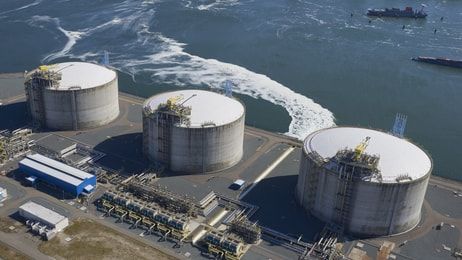
Petronet LNG is stepping up its diversification with a Rs 1,200 crore investment in compressed biogas, marking its entry into domestic renewable gas production. Petronet LNG has signed a binding term sheet with Gruner Renewable Energy to set up a joint venture that will build 10 compressed biogas plants, each with a capacity of 18 tonnes per day. The venture will be owned equally by the two partners, with each holding 50% of the equity. The agreement was disclosed on 22 October, and it is the company's first large move into domestic gas production.
Petronet LNG biogas plants to add domestic supply
Once fully operational, the 10 plants will have combined production capacity of 180 tonnes of compressed biogas per day, or roughly 63,000 tonnes a year on 350 operating days. The joint venture company will be incorporated as a private limited company, with both partners holding equal equity and board representation. The venture will handle feedstock procurement, manufacturing, processing, compression, distribution, storage, transport, supply, trading and sales of the fuel and associated by-products across various states. The company said in its filing that Gruner Renewable Energy is not a related party to its promoter or promoter group, so the deal does not fall under related party transaction rules. The fuel is made by purifying biogas produced from organic waste such as cattle dung and crop residue, and it can be used as vehicle fuel or fed into gas networks.
Petronet LNG acts as LNG import risks mount
The move comes as Petronet LNG's core import business faces supply-side pressure. Throughput at the flagship Dahej terminal fell to 192 trillion British thermal units in the April-June 2026 quarter, from 207 trillion units a year earlier, as disruptions linked to restrictions around the Strait of Hormuz affected Qatari gas supplies. Spot LNG prices surged sharply during the period, showing how exposed an import-dependent business is to global shocks. The Dahej terminal has regasification capacity of 17.5 million tonnes a year, making it one of the largest LNG import facilities in Asia, serving power, fertiliser and city gas customers. The new biogas output is modest beside India's annual LNG imports of about 25.5 million tonnes, and Petronet LNG has not yet announced plant locations or commissioning timelines. The scale gap means the venture will not replace LNG imports in the near term, and its value lies in adding a domestic revenue line rather than in displacing imported volumes.
Petronet LNG diversification beyond imported gas
The biogas venture gives Petronet LNG a foothold in the emerging renewable gas market and a domestic revenue stream beside its import terminals. The binding term sheet is the current stage of the agreement, so formal incorporation of the joint venture company, regulatory approvals and financial closure are still to come. Future disclosures on any amendment or end to the agreement will be required under the Securities and Exchange Board of India's listing rules. The capital outlay of Rs 1,200 crore will be shared between the partners in line with their equal stakes. For now, the venture is a measured first step into domestic renewable gas for a company built on imported LNG, and investors will watch for plant locations, timelines and financing details in later filings. Plant locations, commissioning timelines and financing details will show whether the venture moves from term sheet to construction.