PFAS Found in 91% of Tap Samples, 80% of Bottled Drinks
Ultra-short-chain PFAS (TFA) was found in 91% of New Jersey tap samples and 80% of bottled drinks tested, NJIT research covered by Public Health Watch shows.
by Trends DeskOctober 18, 20263 min read
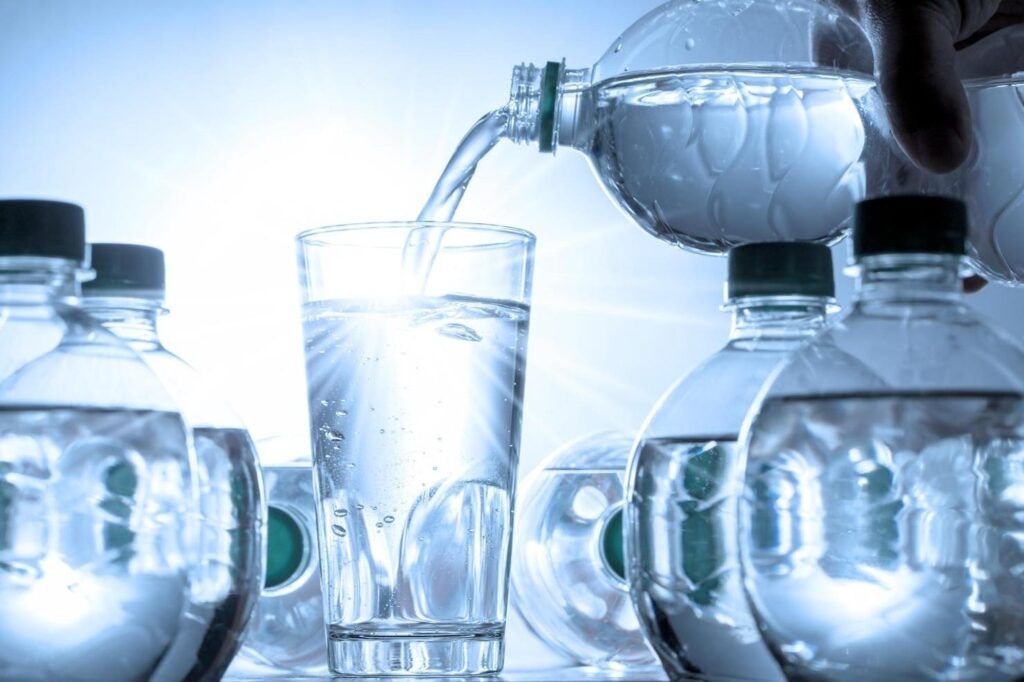
Ultra-short-chain PFAS turned up in 91 percent of New Jersey tap water samples and in roughly 80 percent of bottled drinks tested, according to research covered by Public Health Watch. The chemical in question is TFA, a little-studied member of the PFAS family that seems to get past conventional water treatment. The results also undercut the idea that bottled drinks are free of the "forever chemicals" increasingly found in drinking water.
The study
Scientists at the New Jersey Institute of Technology ran the research, which was reported by Technology Networks. They looked at trifluoroacetate, or TFA, an ultra-short-chain PFAS that forms when refrigerants, pesticides and some pharmaceuticals break down in the environment. TFA molecules are so small that they move easily through water and are hard to remove with standard filtration. The team found it in 91 percent of tap water samples from across New Jersey and in about four in five bottled beverages.
Hard to filter out
Most attention on forever chemicals has gone to long-chain compounds such as PFOA and PFOS, which regulators in several countries have moved to restrict. TFA sits at the other end of the family. Its tiny size lets it slip through treatment steps, including activated carbon and many membranes, that catch larger PFAS. Because it is both persistent and mobile, scientists call it an emerging blind spot in drinking water safety.
Bottled drinks too
The bottled drink result stands out. About 80 percent of those tested contained TFA, which suggests the source water, the bottling process or both introduce it before products reach the shelf. For this contaminant at least, bottled water is no purer than tap.
Exposure, not proven harm
Public health researchers point out that finding a chemical at trace levels doesn't mean it harms health at those levels. Toxicologists are still working out what long-term, low-dose exposure to TFA does to people, and regulators haven't set enforceable limits like those for better-studied PFAS. What the New Jersey study shows is exposure: the compound is in the water people drink every day.
A regulatory gap
Long-chain PFAS now face drinking water limits in the United States and restrictions in the European Union. Ultra-short-chain compounds like TFA remain largely unregulated, partly because they were long assumed to be less of a concern and partly because they are harder to measure. Scientists say the New Jersey results should prompt a rethink.
Newer analytical methods can now detect TFA at the trace levels found in the study, which was difficult even a few years ago. As detection improves, researchers expect to find TFA in more places, not necessarily because contamination is growing but because people are finally looking.
What comes next
The study adds weight to calls for PFAS monitoring that covers ultra-short-chain compounds, not just the well-known few. Water utilities usually test against a short regulatory list and may need to widen their panels as methods improve and costs fall. Researchers say the most useful next step is better data: where TFA levels are highest, what the main sources are and whether levels are rising.
Experts say consumers don't need to panic but should pay attention. Home filters certified for PFAS removal can reduce some compounds, though the smallest ones are the hardest to catch. Neither the tap nor the bottle guarantees water untouched by industrial chemistry.