Property Taxes and Home Insurance Now Rival Mortgage Rates as Homeowner Burden
A GOP lawmaker says property taxes and home insurance are as big an issue for homeowners as mortgage rates, Fox News reports.
by Trends DeskOctober 16, 20263 min read
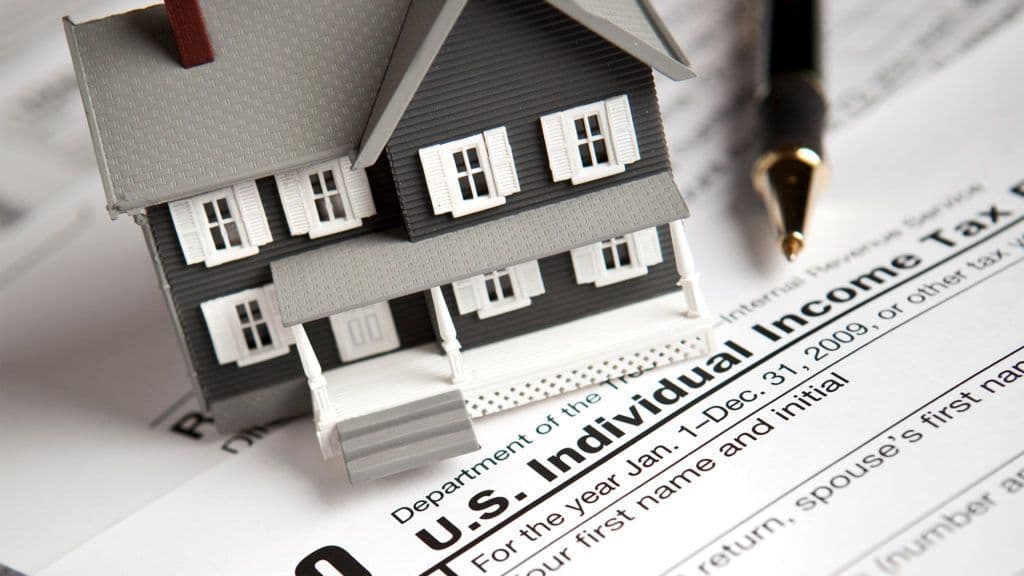
Property taxes and home insurance have become as big a financial burden for homeowners as mortgage rates themselves, a Republican lawmaker argued this week, according to Fox News. The claim spotlights homeowner costs that get less attention than borrowing rates but hit household budgets just as hard. While debates about these costs rarely dominate headlines the way rate moves do, their steady climb keeps raising what it actually costs to own a home.
The lawmaker's point is that focusing only on mortgage rates misses the full picture. For millions of owners, these two line items now rival the mortgage payment as the fastest-growing part of ownership. Escrow shortages, surprise premium hikes, and reassessments have turned these costs into a source of genuine financial stress.
Property Taxes and Home Insurance: A Growing Burden
The numbers behind the concern are striking. In many states, property tax increases have far outpaced wage growth in recent years. Reassessments following the pandemic-era run-up in home values pushed tax bills higher, and property taxes and home insurance together now consume a record share of many household budgets.
Unlike a mortgage rate, which is largely locked in at purchase, these costs reset constantly. Homeowners on fixed incomes are especially exposed: a retiree whose mortgage is paid off can still be squeezed year after year. Home insurance premiums have compounded the pain, particularly in disaster-prone regions where carriers have retrenched, and rising escrow payments have delivered payment shock to millions.
Why These Costs Rival Mortgage Rates
The comparison to mortgage rates is deliberate. High rates dominate the housing conversation because they determine who can buy. But ongoing homeowner costs determine who can afford to stay. An owner who bought at a manageable rate five years ago may still face a jump in monthly outlay when the escrow analysis lands, because these costs have surged behind the scenes.
In states like Florida, Texas, and California, the squeeze is most acute. Insurers have pulled back from high-risk ZIP codes, forcing homeowners into expensive last-resort coverage. Meanwhile, property tax increases in the Northeast remain among the nation's steepest in absolute terms, a perennial complaint driving out-migration debates and pressuring housing affordability.
What's Next for Property Taxes and Home Insurance
Policymakers are floating responses on both fronts. Proposals to cap assessment growth, expand homestead exemptions, and create state-backed insurance options all aim to ease the pressure from property taxes and home insurance. Whether such measures can pass, and whether they would meaningfully lower costs rather than shift them, remains an open question.
Market forces may also help at the margins. If home price growth cools, assessment growth should moderate, offering some relief over time. But home insurance premiums face structural challenges from climate risk that are unlikely to reverse soon, suggesting property taxes and home insurance will remain a central affordability battleground.
The Bigger Affordability Picture
The lawmaker's framing carries a broader lesson: housing affordability is not a single variable. Mortgage rates, prices, property taxes and home insurance, maintenance, and utilities all combine into the true cost of ownership. Policies that address only one piece risk leaving homeowners exposed on the others, and escrow payments will keep surprising anyone who budgets for the mortgage alone. As property taxes and home insurance continue their climb, expect them to feature more prominently in the housing debate heading into the next election cycle.