RBI repo rate raised to 5.50% in first hike since 2023
RBI raised the repo rate by 25 bps to 5.50%, the first hike since February 2023, shifting to calibrated tightening as inflation risks build across the economy.
by Trends DeskOctober 23, 20263 min read
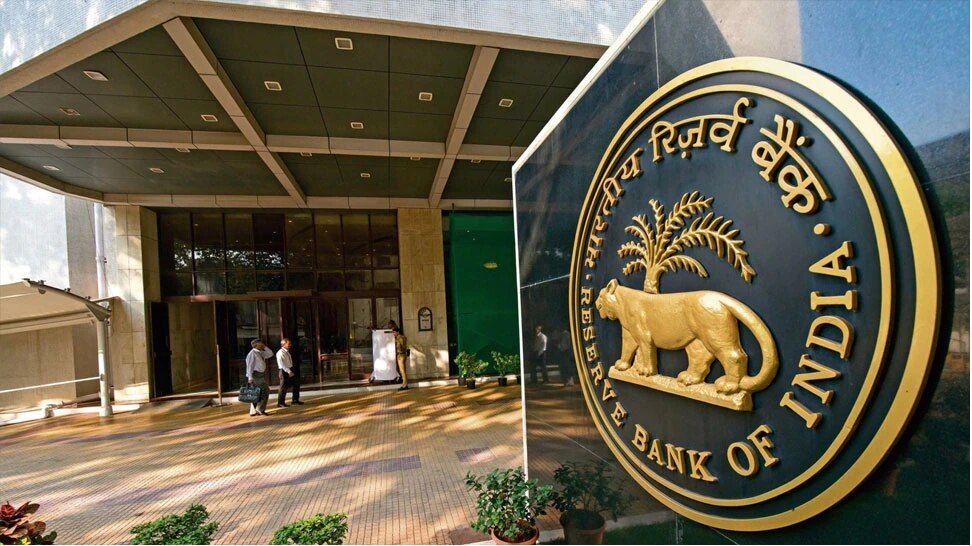
The Reserve Bank of India has raised the RBI repo rate for the first time in nearly four years, lifting the benchmark policy rate by 25 basis points to 5.50%. The unanimous decision was taken at the Monetary Policy Committee's October 5-7 meeting, ending a long easing cycle that had been in place since the last increase in February 2023, when the rate stood at 6.6%.
Along with the hike, the central bank changed its official stance to calibrated tightening. The standing deposit facility rate now stands at 5.25%, while the marginal standing facility rate and the Bank Rate are at 5.75%.
The repo rate is the rate at which the RBI lends to banks for short periods, and it anchors the interest rates banks offer on deposits and loans. Changes in the rate work through the system with a lag, so the full effect of the October move will show up over the coming quarters, even as the central bank keeps a close watch on how price pressures evolve.
Why the RBI repo rate was raised
Governor Sanjay Malhotra said inflationary pressures are building even as growth holds up better than expected. The minutes of the October 5-7 meeting, released on Wednesday, show that 37% of the items in the CPI basket had inflation above 4% in August, up from just 20% in March. The jump suggests price rises are spreading beyond food and fuel into a wider set of goods and services.
Higher crude prices and weaker agricultural output have added to the price pressures, according to the central bank. Global interest rates are also moving against India. With rate differentials narrowing, the RBI has less room to keep domestic rates low without risking pressure on capital flows and the rupee.
Sanjay Malhotra has pointed to the economy's resilience as the reason the central bank can act now. GDP growth for 2026-27 is projected at 7.1%, up 40 basis points from the 6.7% forecast in August, after the June quarter expanded 7.8%. "Amidst the turbulent global backdrop, the Indian economy has shown remarkable resilience," Malhotra said in the minutes. "Inflationary pressures are, however, building up."
RBI repo rate hike and the growth call
Raising rates while lifting the growth forecast is an unusual combination. It shows the Monetary Policy Committee believes the economy can take some tightening without a sharp slowdown in GDP growth. The minutes describe the decision as a response to mounting inflation risk rather than to any weakness in demand.
The vote was unanimous. All six members of the Monetary Policy Committee, including the governor, backed the increase in the RBI repo rate, the minutes released on Wednesday said. The RBI repo rate hike reverses the rate-cut cycle that followed the February 2023 peak of 6.6%, when the central bank had greater confidence that inflation was under control.
What calibrated tightening means for the RBI repo rate
With the RBI repo rate at 5.50%, the stance of calibrated tightening puts inflation control ahead of growth support in the policy hierarchy. The shift ends years in which the central bank leaned towards supporting activity, and it signals that further moves will depend on how price data evolves.
A higher RBI repo rate raises the cost at which banks borrow from the central bank, and lenders typically pass part of that cost through to borrowers over time. The minutes, published on October 21, give markets the fullest picture yet of the debate inside the October 5-7 meeting. They show a committee watching the generalisation of inflation closely: the share of CPI items running above 4% nearly doubled between March and August. The RBI repo rate now stands at 5.50%.