Renal cell carcinoma gains hold in final trial data
Final LITESPARK-011 data at ESMO 2026 show belzutifan plus lenvatinib held gains in advanced renal cell carcinoma, with longer control than cabozantinib.
by Trends DeskOctober 25, 20264 min read
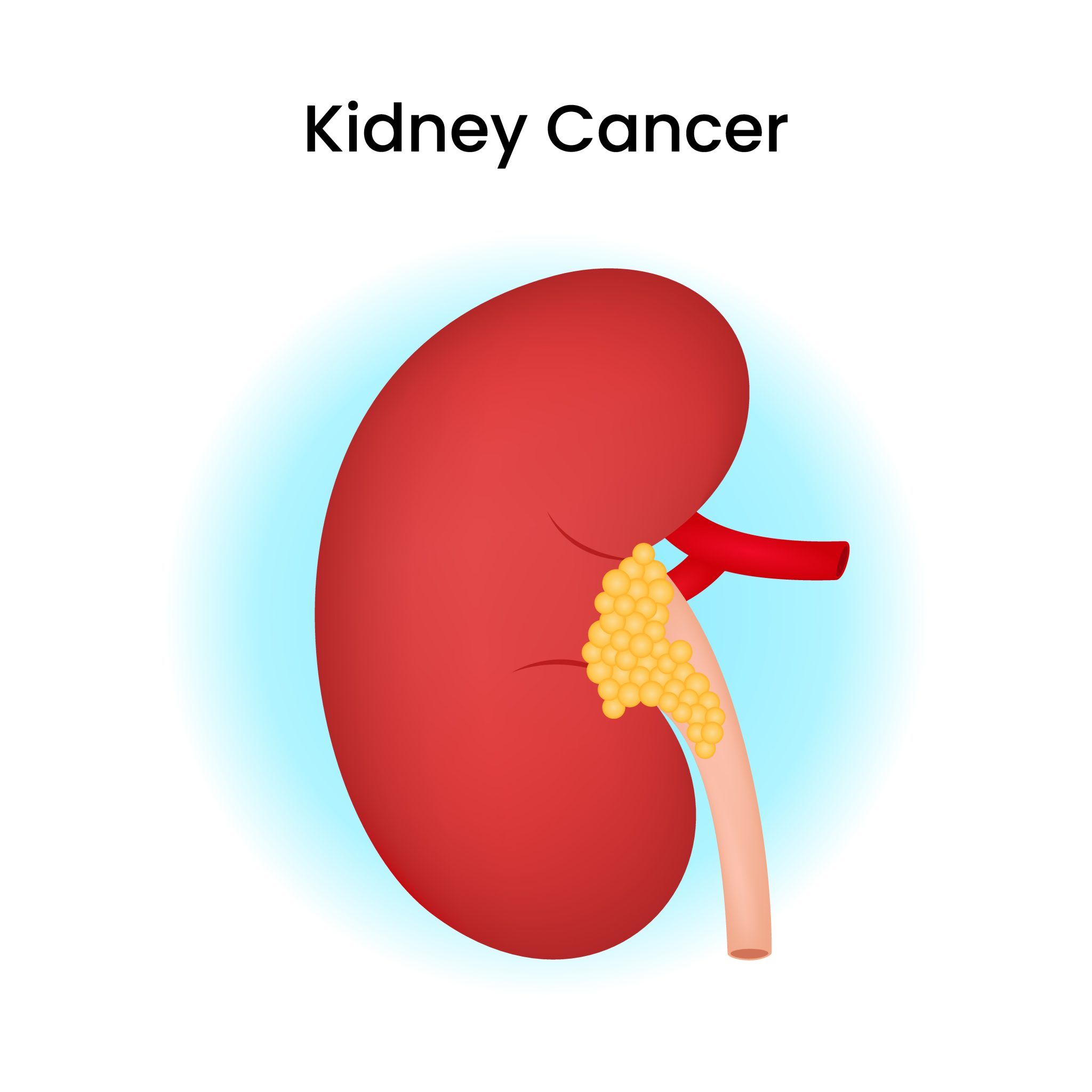
Renal cell carcinoma was the focus of final data from the Phase 3 LITESPARK-011 trial presented at ESMO Congress 2026 in Madrid. The trial tested belzutifan plus lenvatinib against cabozantinib in patients with advanced renal cell carcinoma with a clear cell component who had already received a PD-1 or PD-L1 inhibitor. Presentation 3587O, due October 25, gave the final analysis. A second presentation, 3595RO, covered health related quality of life and treatment efficacy.
The final analysis showed that earlier gains in progression free survival and objective response were maintained. Median progression free survival was 14.8 months with belzutifan plus lenvatinib, compared with 10.8 months with the comparator drug. The hazard ratio was 0.74, with a 95 percent confidence interval of 0.62 to 0.88. Objective response rates were 53.1 percent against 40.2 percent. Median duration of response was 22.0 months against 11.9 months. Those figures describe how long the disease stayed controlled and how often tumours shrank, rather than a cure.
Overall survival was higher in numbers but did not reach statistical significance. Median overall survival was 33.7 months with the combination, compared with 28.6 months with the comparator drug. The hazard ratio was 0.85, with a 95 percent confidence interval of 0.70 to 1.03. The one sided p value of 0.04689 did not meet the prespecified significance boundary of 0.0223, so a statistically significant overall survival benefit was not established. That distinction matters for how the result is read, because the trial met its progression and response measures without meeting the survival measure at the set threshold.
Renal cell carcinoma and the LITESPARK-011 trial
The trial enrolled patients with advanced renal cell carcinoma who had already been treated with immunotherapy. In that setting, options after PD-1 or PD-L1 treatment are limited, and the comparison drug cabozantinib is an established treatment. Belzutifan is an oral hypoxia inducible factor 2 alpha inhibitor, and lenvatinib is an oral multiple receptor tyrosine kinase inhibitor discovered by Eisai.
Safety results were close between the two groups. Grade 3 or higher treatment emergent adverse events occurred in 85.4 percent of patients on belzutifan plus lenvatinib and 83.0 percent on cabozantinib. The report described a similar frequency of severe events between the groups. Readers should note that a high rate of severe adverse events in both arms reflects advanced renal cell carcinoma and the toxicity of both regimens, and the trial report does not rank one regimen as clearly safer than the other.
Renal cell carcinoma approval history
The data presented at ESMO Congress 2026 follow a United States approval already granted for the combination. On September 28, 2026, Merck and Eisai announced that the Food and Drug Administration had approved WELIREG, the brand name for belzutifan, plus LENVIMA, the brand name for lenvatinib, for adult patients with advanced renal cell carcinoma with a clear cell component following a PD-1 or PD-L1 inhibitor. That approval was based on LITESPARK-011 data, including a prespecified interim analysis.
In that interim analysis, median progression free survival was 14.6 months with the combination against 10.6 months with the comparator drug, a 26 percent lower risk of disease progression or death. The objective response rate was 53 percent against 40 percent. Those interim figures are close to the final figures reported at ESMO Congress 2026, which is why investigators said the earlier benefits were maintained rather than newly found. The final analysis adds longer follow up and the full survival result, including the finding that survival did not meet statistical significance.
Renal cell carcinoma quality of life data
The quality of life presentation, 3595RO, sits alongside the efficacy results. Health related quality of life measures how patients report symptoms, daily function and wellbeing during treatment, and it can help clinicians weigh longer disease control against side effects. The search results available for this report confirm the presentation number and topic but do not give detailed quality of life scores, so this report does not quote scores that were not seen. The main efficacy message from presentation 3587O stands on its own: control of renal cell carcinoma lasted longer with the combination, responses were more frequent, and survival was numerically longer without meeting the trial threshold for significance. The investigators concluded that the final analysis continued to support use of the combination in this patient group, based on the maintained progression and response benefits.