SEBI Whistleblower Tips Jump to 25 in FY26
SEBI received 25 insider-trading whistleblower tips in FY26, five times the total of the previous six years combined, its latest annual report shows.
by Trends DeskOctober 24, 20263 min read
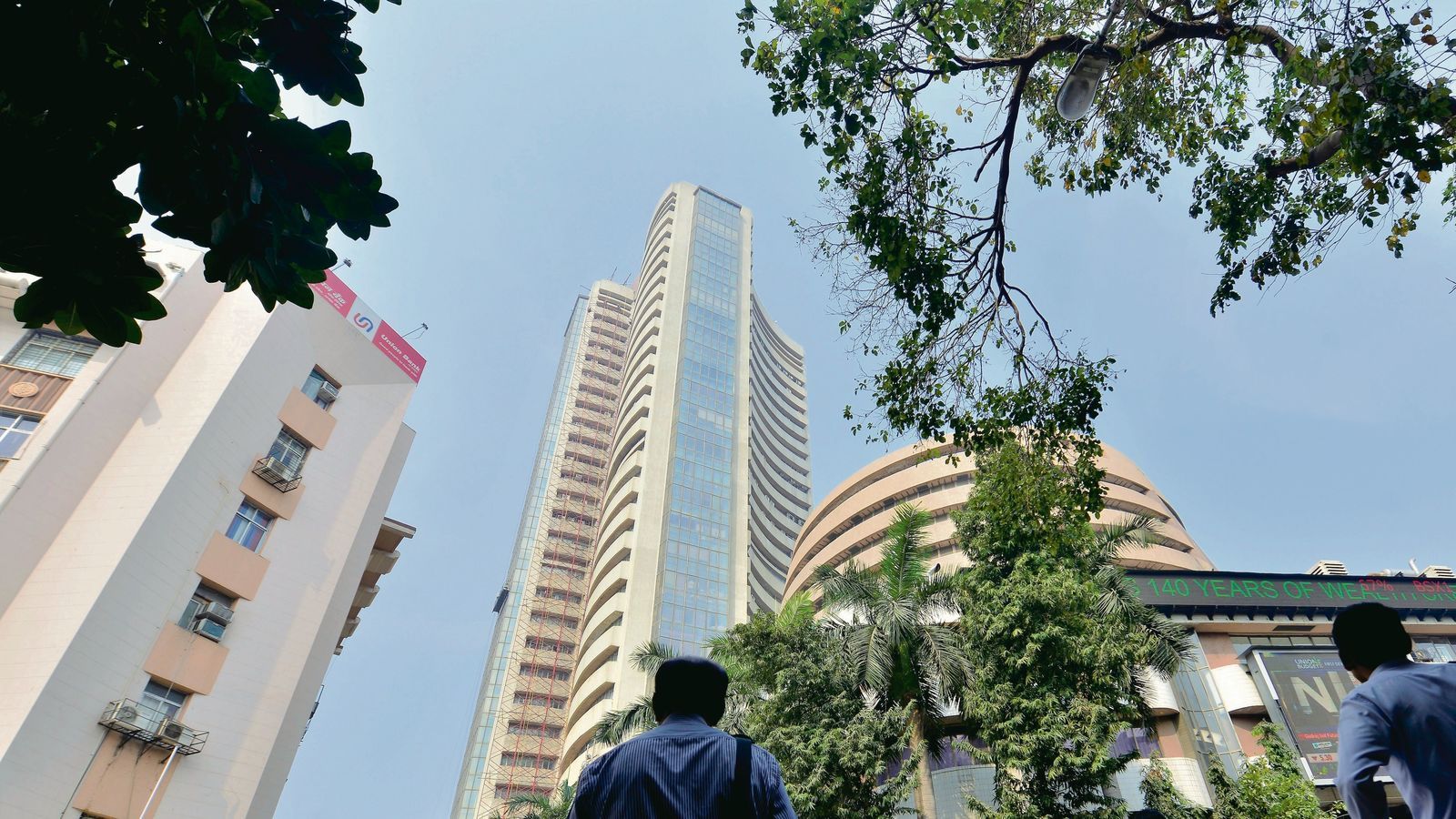
SEBI whistleblower tips on insider trading jumped to 25 in FY26, five times the total received in the previous six financial years combined. The jump was disclosed in the market regulator's latest annual report, released on August 6, and may be the first sign that a mechanism set up in December 2019 is finally gaining traction. SEBI received just five insider-trading tipoffs between FY20 and FY25.
The SEBI whistleblower mechanism was set up in December 2019, when the Securities and Exchange Board of India established the Office of Informant Protection (OIP) to process tipoffs on insider trading. Informants can receive monetary rewards of up to Rs 10 crore for qualifying information. Fourteen of the FY26 tipoffs have been concluded, including one from the previous year, while 12 remained under examination, according to the annual report.
Why SEBI whistleblower tips stayed low for years
The slow start came despite rapid growth in the markets. Stock exchanges have added more than 180 million investors and hundreds of companies since FY19, the last year before the whistleblower mechanism was set up. The regulator added more than 300 employees since FY19 and invested in advanced technology to keep up with increased demands. The numbers suggest the SEBI whistleblower channel took years to earn the trust of people with information to report.
"This could possibly be a sign of increasing confidence in the reporting mechanism by potential whistleblowers with substantive information in hand to report," Rohitashwa Prasad, partner at law firm Dentons Link Legal, said. He added that more can be done to encourage people to come forward.
The SEBI whistleblower numbers remain small next to the scale of the market. Twenty-five tips in one year sit against a market that has added more than 180 million investors since FY19, but the rise from five tips in six years to 25 in one year is the sharpest change the mechanism has shown.
What SEBI whistleblower protections still lack
Experts have called for stronger whistleblower protection and greater transparency on the outcomes of tipoffs. Prasad said the SEBI whistleblower system could learn from mature markets such as the United States, where legal delays are limited, rewards have no cap, and whistleblowers whose employment is affected have stronger safeguards against retaliation. The US Securities and Exchange Commission announced a $279 million reward for a tip in May 2023, worth over Rs 2,000 crore at the prevailing exchange rate and far above India's Rs 10 crore cap.
Legal experts have also suggested expanding the mechanism beyond insider trading to cover front-running, market manipulation, disclosure violations and other serious securities-market offences. The Office of Informant Protection was created specifically for insider-trading tips, and its current scope does not extend to those other violations. The calls for wider coverage and stronger safeguards show the mechanism is still seen as incomplete, even as its use grows. Experts have also called for greater transparency on the outcomes of tipoffs, beyond the concluded and under-examination counts in the annual report.
SEBI, headquartered in Mumbai, is India's market regulator. The 25 tipoffs in FY26 compare with five across FY20 to FY25, a period that covers the mechanism's first years of operation. The annual report figures show the SEBI whistleblower mechanism is being used more, but the debate over protection, transparency and scope will decide how far it goes.