Sugar ethanol diversion halted as India sugar stocks fall
India has told oil marketing companies to cut sugar ethanol diversion to zero for 2026/27, sending sugar stocks down up to 6 per cent to ease record prices.
by Trends DeskOctober 20, 20263 min read
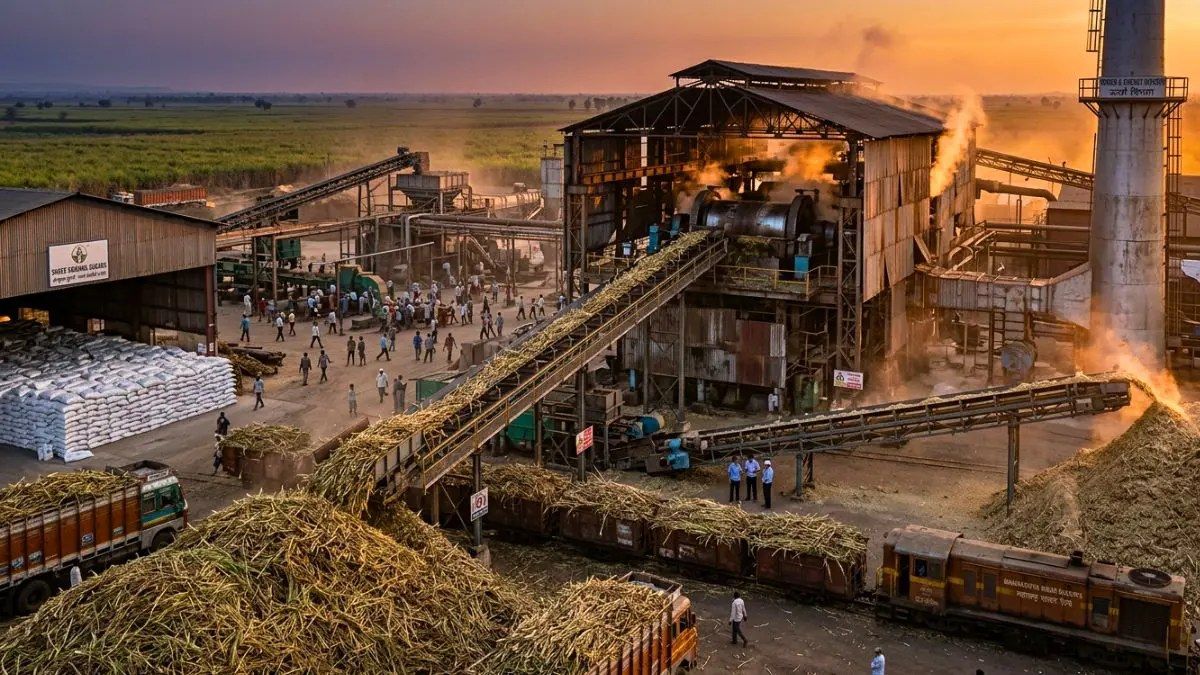
Indian sugar stocks slid in early trade on Monday after the government directed oil marketing companies to cut sugar ethanol diversion to zero for the 2026/27 supply year. The surprise curb on sugar ethanol diversion sent shares of leading millers down between 2 and 6 per cent, as investors weighed the impact on margins and on the return from ethanol-capacity investments made in recent years.
The decision limits the ability of sugar companies to shift cane and molasses between sugar and ethanol production depending on market conditions. With the latest ethanol tender excluding supplies produced from sugarcane juice, sugar syrup and B-heavy molasses, a sugar-rich by-product of cane crushing, producers lose a flexibility that had helped them manage margins through volatile cycles.
Sugar ethanol diversion cut to zero for 2026/27
The government has told oil marketing companies, the state-run refiners that procure ethanol for fuel blending, to reduce sugar diversion for ethanol production to zero for the 2026/27 supply year. The latest ethanol tender explicitly excludes supplies produced from sugarcane juice, sugar syrup and B-heavy molasses, effectively shutting the main channels through which domestic millers had converted cane into fuel.
Among the hardest hit in morning trade were Balrampur Chini Mills, EID Parry, Triveni Engineering and Industries, Bajaj Hindusthan Sugar, Shree Renuka Sugar and Dhampur Sugar, which fell between 2 and 6 per cent. The sell-off in Indian sugar stocks reflected fears that the curb on ethanol blending would weaken margins and reduce returns on the ethanol-capacity investments the industry has built up under the blending programme.
Easing record sugar prices is the priority
The move is aimed at increasing domestic sugar availability and easing record high prices in India, the world's biggest sugar consumer. Sugar prices have risen more than 10 per cent amid the festive season, raising concerns over near-term food price pressures before the main crushing season begins, said Siddhartha Khemka, head of research for wealth management at Motilal Oswal Financial Services.
With Indian households deep in the festive season, elevated sugarcane prices and rising retail sugar costs have added to inflation concerns. By keeping more sugar in the domestic market rather than permitting sugar ethanol diversion, the government hopes to cool prices and reassure consumers ahead of the main crushing season, when fresh supply begins to flow.
Food security fears drive the sugar ethanol diversion ban
The decision reflects the government's priority of protecting food supplies after concerns that weak rainfall in key producing states could curb output, analysts from Motilal Oswal and Choice Broking said. A shortfall in cane production would squeeze both sugar availability and the ethanol blending programme, and policymakers have chosen to prioritise food security over fuel blending for the coming supply year.
The ban on sugar ethanol diversion underscores the tension at the heart of India's ethanol blending policy. Encouraging mills to divert cane to ethanol supports energy security and helps clear cane payment arrears, but it also tightens the domestic sugar balance at a time when production faces weather risks and sugarcane prices remain firm.
Industry counts the cost of lost flexibility
For the sugar industry, the immediate concern is the loss of operating flexibility. Companies had invested heavily in ethanol capacity on the assumption that they could swing between sugar and ethanol depending on which offered better returns. With oil marketing companies now barred from procuring ethanol made from sugarcane juice, syrup or B-heavy molasses, the economics of sugar ethanol diversion have collapsed and those investments face a weaker payback.
Analysts will now be watching whether the restriction on sugar ethanol diversion is extended beyond 2026/27, and how Indian sugar stocks respond once the crushing season begins. For now, the government's message is clear: stabilising domestic sugar supply and containing sugarcane prices matter more than blending volumes in the year ahead.