Tesla Cybercab sales targeted by end of 2026 amid probe
Tesla engineering chief Lars Moravy said the company aims to sell Cybercab robotaxis by the end of 2026, as NHTSA investigates the steering-wheel-free cars.
by Trends DeskOctober 23, 20263 min read
Tesla aims to start selling Cybercab robotaxis to the public by the end of 2026, engineering chief Lars Moravy said on Oct. 21, even as federal regulators investigate whether the vehicles meet safety standards. The Tesla Cybercab is one of the main bets CEO Elon Musk has made in his effort to turn the electric car maker into an artificial intelligence and robotics company. The announcement follows years of missed deadlines from Musk on self-driving promises.
Moravy, Tesla's vice president of vehicle engineering, told analysts on the third-quarter earnings call that the Tesla Cybercab will be the first fully designed autonomous vehicle the company delivers to customers. "We're trying to get Cybercabs to customers by the end of this year, 2026," he said. "As we start small this year, and we learn about delivery and ownership and fleet management of autonomous vehicles in customer hands, we'll continue to scale that."
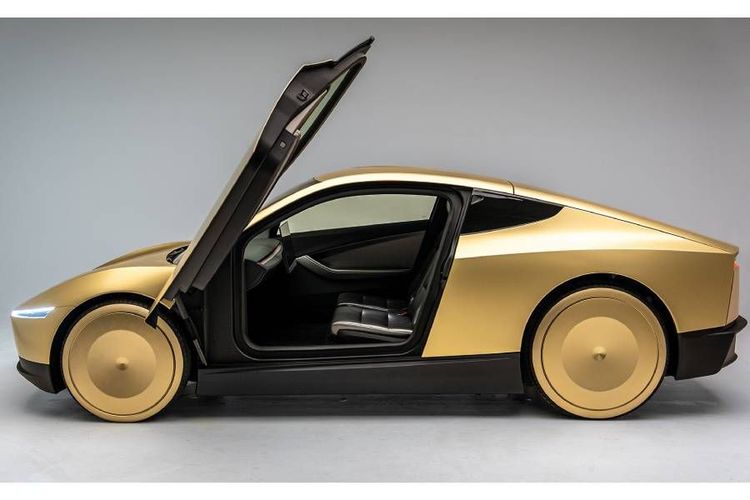
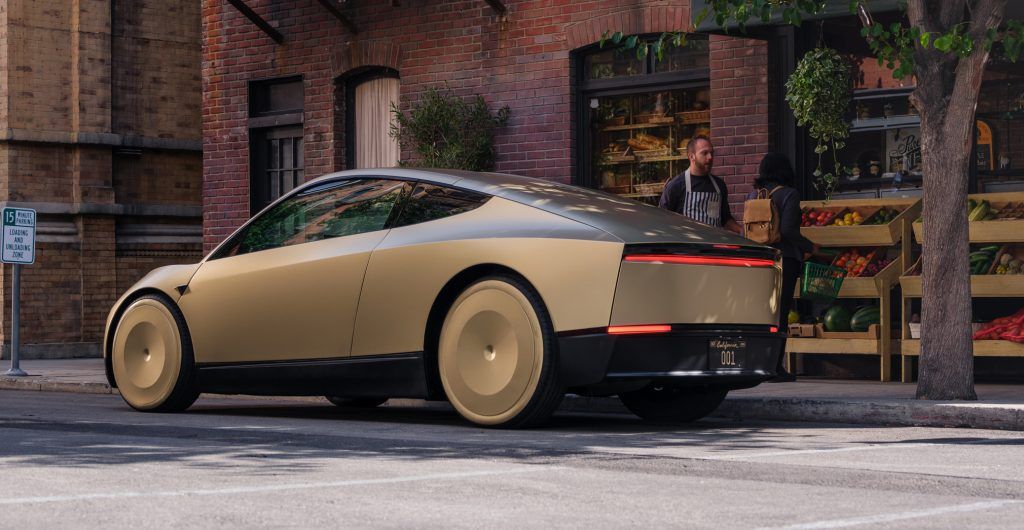
The gold two-seaters have butterfly doors and drive themselves. Tesla started offering paid rides in a small Tesla Cybercab fleet in Austin early last month. Fans and social media influencers flocked to try the service during its first weeks. The cars come with no steering wheel, pedals or mirrors. Moravy described the cars as fully designed autonomous vehicles, built without manual controls.
Tesla Cybercab and the federal probe
Hours after the Austin launch, the National Highway Traffic Safety Administration opened an investigation into how Tesla determined that the Tesla Cybercab complies with federal vehicle safety rules. The NHTSA investigation is examining the basis of Tesla's certification and how far the company went in deciding certain standards did not apply to the vehicle. Tesla has until Oct. 30 to respond to the agency.
The federal probe turns on a distinctive feature of American auto regulation. In most other countries, new vehicle models and technology need regulatory clearance ahead of launch. In the United States, automakers can put them on public roads by self-certifying that they meet federal standards. Those standards were written decades ago for human-driven vehicles and require manual controls, which limits commercial use of vehicles designed without a steering wheel.
NHTSA has proposed changes to federal safety standards that would allow autonomous vehicles built without human controls. Until those changes are complete, the existing standards remain in force, the agency has said. The proposed changes would create a path for vehicles designed without human controls, but the rulemaking is not finished. The regulator declined to comment on the NHTSA investigation.
Tesla Cybercab rollout plans
Tesla plans to expand the Tesla Cybercab service to Dallas next month, said Ashok Elluswamy, Tesla's head of artificial intelligence. "I think the key thing which we are trying to make sure is that we have all the regulatory approvals where we can start deploying the Cybercabs as fast as we can produce them," Elluswamy said on the call. Scaling manufacturing "would not be that much of a challenge," he added, calling the two-seater "one of the easiest products" to scale.
Most of the vehicles will be owned by Tesla and used in its ride-hailing service, Musk said. The Tesla Cybercab is part of a wider robotaxi network that also includes autonomous Model Y cars, some running with human safety monitors. The company intends the two-seater to become the main driverless model in the robotaxi network over time, supporting its planned ride-hailing business.