Tesla Self-Driving Lawsuit Blocked by Appeals Court
A US appeals court threw out class-action status for the Tesla self-driving lawsuit, finding buyers couldn't prove all saw the full self-driving claim.
by Trends DeskOctober 19, 20263 min read
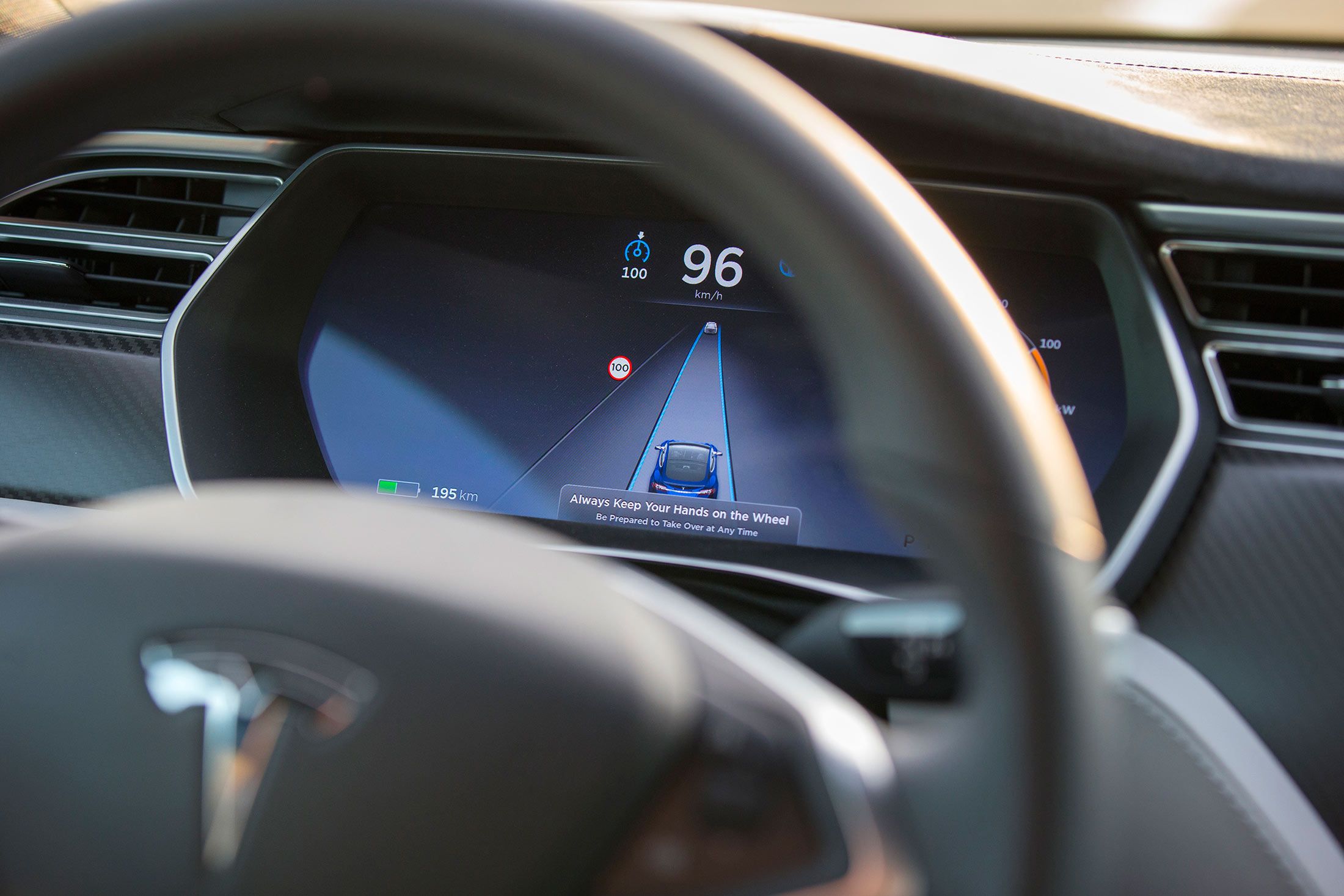
The Tesla self-driving lawsuit brought by California customers has hit a major roadblock. A US appeals court has thrown out a lower-court order that would have allowed thousands of Tesla buyers to pursue class action claims accusing the company of misleading them about its vehicles' full self-driving capabilities. The decision reverses a lower-court ruling that had cleared the way for the buyers to sue as a group.
The ruling is a significant win for Tesla in a long-running legal fight over what its cars can actually do on their own. At issue was a claim on Tesla's website that vehicles sold from October 2016 to the present contained the hardware needed for full self-driving capability, a statement customers said led them to pay thousands of dollars extra for the feature. Tesla has sold its driver-assistance package as an expensive add-on for years, and the promise that the necessary hardware was already installed helped justify the premium.
Last year, District Judge Rita Lin ruled that thousands of prospective buyers were likely exposed to that website claim, clearing the way for the case to proceed as a class action. Such suits let large groups of plaintiffs sue together, multiplying the financial stakes for defendants.
Tesla Self-Driving Lawsuit: Why the Panel Reversed Course
The appeals court panel of Circuit Judges Ronald Gould, Jay Bybee, and Daniel Bress disagreed with Rita Lin's reasoning. The judges said the plaintiffs could not show that all class members had actually been exposed to the allegedly false statement, a requirement for keeping such a sprawling group of buyers in a single case.
The distinction matters. For such a case to proceed, courts generally require that members share common questions and common experiences. If some buyers never saw the website claim about full self-driving hardware, because they bought in showrooms, relied on salespeople, or simply never visited the page, the class falls apart.
Tesla has long argued that its marketing describes driver-assistance features rather than autonomous driving, and that buyers understand the distinction. The company found an ally in the US Chamber of Commerce, which filed a brief supporting Tesla and warning that the lower-court ruling "threatens to substantially increase the costs to businesses and consumers of overbroad and meritless class proceedings." Business groups routinely weigh in on cases that could expand corporate liability, and the Chamber's brief framed the dispute as a test of how far courts should stretch class certification.
What the Tesla Self-Driving Lawsuit Means Going Forward
The decision does not end Tesla's legal exposure over its self-driving claims. Individual buyers can still sue on their own, and regulators continue to scrutinize how the company markets its driver-assistance systems. But without class action status, the financial threat to Tesla shrinks dramatically, from potentially billions spread across thousands of buyers to the much smaller stakes of one-off cases.
For the plaintiffs' bar, the ruling is a cautionary tale about the evidentiary bar for certifying classes in the internet age. Proving that thousands of people all saw the same webpage, the appeals court suggested, requires more than showing the page existed. The judges emphasized that exposure must be shown across the whole group, not merely assumed from the site's public availability.
The case also lands amid intensifying debate over Tesla's self-driving ambitions. The company continues to sell and develop its driver-assistance software while promising ever-greater autonomy, promises that have drawn both devoted followers and skeptical regulators. For now, at least in this courtroom, the skeptics will have to proceed one buyer at a time. Regulators in California and Washington continue to examine the company's claims, and the outcome of those reviews could shape how Tesla describes its technology in the years ahead.