Auto Factory Tariffs: Trump's Plant Claims Debunked
Experts dispute Trump's claim that auto factory tariffs created new US auto plants, citing relocated production and rising steel and aluminum costs.
by Trends DeskOctober 19, 20263 min read
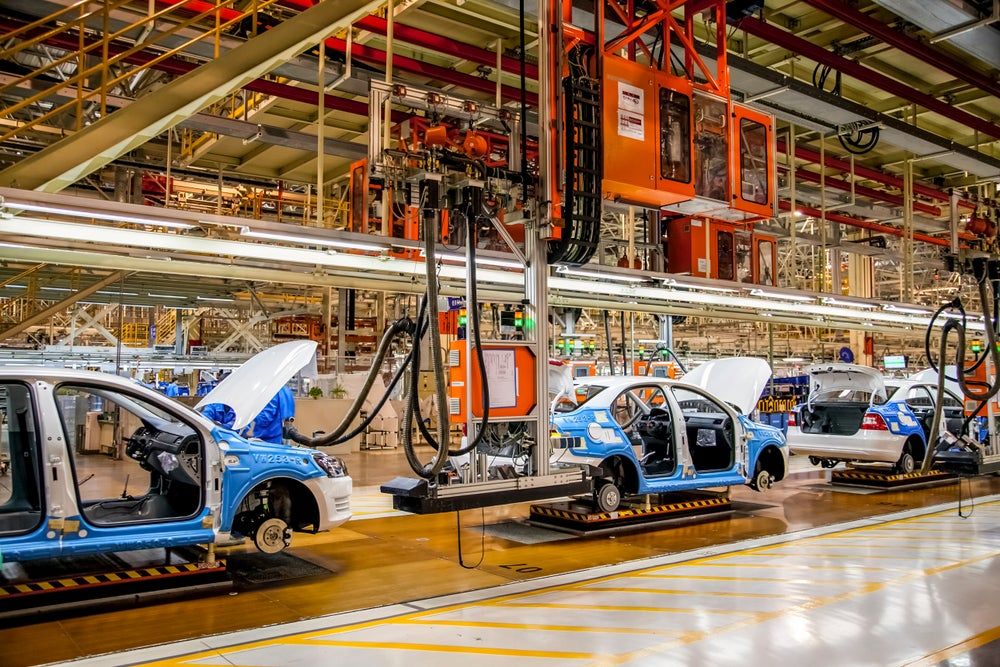
President Donald Trump's claim that auto factory tariffs are bringing a wave of new car plants to America is running into a wall of expert skepticism. "It's all because of my favorite word tariffs," Trump has said, taking credit for new auto manufacturing investment in the United States. But trade experts and industry forecasters say the numbers behind the claim do not add up.
An Associated Press fact check found that while Trump tariffs have prompted some shifts in where vehicles are built, they have not produced the surge of brand-new assembly plants the president describes. The White House has pointed to announcements of planned investments, but analysts note that corporate announcements often repackage previously planned spending or projects that were already underway before the tariffs took effect. Manufacturers, analysts note, plan investments on timelines measured in decades rather than on the policy choices of a single administration.
Sam Fiorani, vice president at AutoForecast Solutions, put it bluntly: "The current wave of tariffs has led to relocation of production, but they have not resulted in a tsunami of new assembly plants." His assessment reflects a broad consensus among auto analysts that tariffs can nudge existing production across borders but rarely conjure new factories out of thin air.
Why Auto Factory Tariffs Have Not Built New Plants
Building a car plant is a multi-billion-dollar commitment that takes years to plan and construct. Automakers choose locations based on labor costs, supplier networks, logistics, and long-term market access, factors that shift slowly over time. A tariff regime that could change with the next election, analysts say, is a poor foundation for such bets. Even after a decision is made, construction and tooling can take two to four years before the first vehicle rolls off the line.
Manufacturers invest for the long haul, not on one administration's short-term decisions, several analysts said, summarizing the industry's thinking. Instead of breaking ground on new American facilities, many carmakers have responded to the duties by moving production among existing plants, shifting output from Mexico or Canada into US factories that already have spare capacity.
That relocation is real, and it does support American jobs. But it is not the same as the wave of new assembly plants Trump has described. Fact-checkers note the distinction matters: a production shift fills existing factory floors and existing US factories, while a new plant represents fresh capital investment, construction jobs, and long-term commitments to a community.
Auto Factory Tariffs and the $12,000 Price Warning
The duties are also raising costs inside the factories they are meant to protect. Trump tariffs have hit key supplies for US-built vehicles: the steel and aluminum tariffs cover metals that go into every car assembled in America. The steel and aluminum tariffs squeeze the margins of domestic plants and can erode the competitiveness of American-made vehicles.
Analysts had predicted the tariffs could push vehicle prices up by as much as $12,000 per vehicle, a figure that would put new cars further out of reach for many buyers. Some of that pressure is already visible in rising vehicle prices and thinning dealer incentives, and economists warn that sustained duties could slow overall vehicle sales. Higher borrowing costs and stretched household budgets would compound the damage, leaving fewer buyers able to absorb the added expense.
For now, the evidence suggests the tariffs are reshaping the American auto manufacturing landscape without redrawing it. Production is moving, vehicle prices are rising, and the promised tsunami of new American auto plants has yet to appear. Until long-term policy clarity arrives, analysts say, carmakers will keep making the cautious choice: use the US factories they have, and wait before building new ones.