NIH Women’s Health Division Created by Trump Order
Trump signed an executive order on Oct 19 creating a White House task force and a new NIH Women’s Health Division, led by Susie Wiles and Robert F. Kennedy Jr.
by Trends DeskOctober 21, 20263 min read
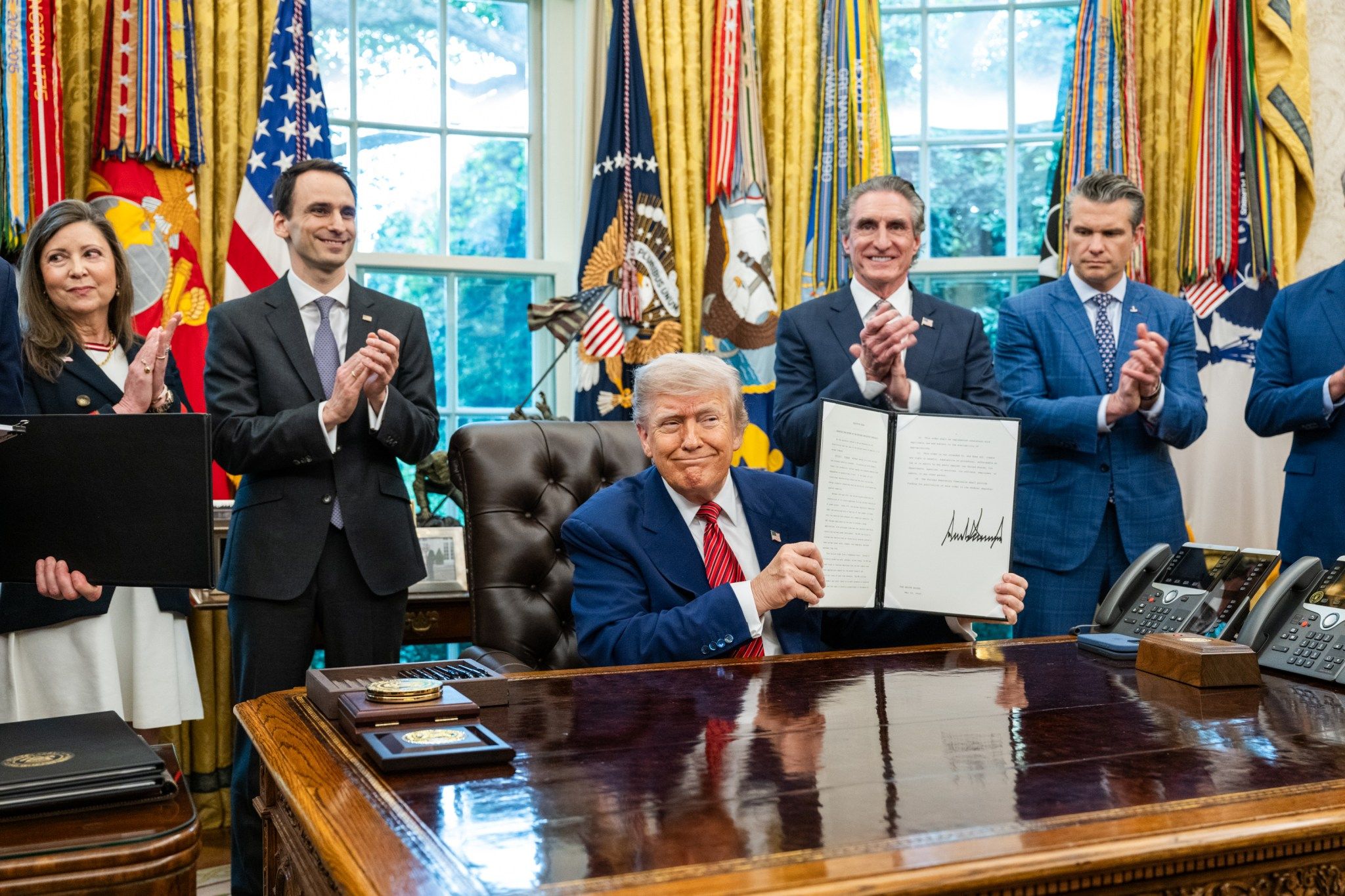
President Trump signed an executive order on Oct 19, 2026, alongside First Lady Melania Trump, creating a White House task force and a new NIH women’s health division aimed at expanding federal research into women’s health.
The effort will be led by White House chief of staff Susie Wiles and Health and Human Services Secretary Robert F. Kennedy Jr., placing the NIH women’s health division at the centre of the administration’s health agenda.
Melania Trump plans public remarks on using artificial intelligence for women’s health research and on making care more affordable, according to the announcement.
Wiles, as chief of staff, will oversee coordination across the administration, while Kennedy’s department controls much of the federal health apparatus, including the NIH itself.
What the NIH women’s health division will do
The new division will sit within the National Institutes of Health and focus on closing gaps in women’s health research, an area advocates have long said receives too little attention relative to its impact.
Women’s health has historically been underrepresented in clinical research, with many landmark studies enrolling mostly male participants — a gap the new division is meant to help close.
The White House task force will coordinate the effort across federal agencies, bringing together health officials, researchers and policy advisers to set priorities.
Supporters say the NIH women’s health division could accelerate studies into conditions that disproportionately affect women, while observers will be watching closely how the initiative is funded and implemented.
The NIH is the world’s largest public funder of biomedical research, and a dedicated division gives women’s health a permanent institutional home within it.
The division will be led initially through the task force structure, with permanent leadership and staffing decisions to follow as the initiative gets under way.
NIH women’s health division joins wider White House push
Task forces are a standard White House tool for cutting across agency lines, giving a single initiative direct access to the president’s senior staff.
The White House task force is expected to set its priorities in the coming months, with the NIH women’s health division carrying out the resulting research agenda.
Melania Trump’s planned remarks on artificial intelligence reflect growing interest in using AI to analyse large health datasets, spot patterns and speed up women’s health research.
Researchers are increasingly using artificial intelligence to sift through genetic and clinical data, looking for earlier diagnoses and more personalised treatments.
From imaging analysis to drug discovery, AI tools are already reshaping how medical research is done, and researchers in the field say it is ripe for the same transformation.
Making care more affordable is the other pillar of the announcement. The administration says the NIH women’s health division will look for ways in which research can translate into lower costs for patients.
The cost of care remains a central concern for American families, and any research gains will be measured in part by whether they reach patients affordably.
The Oct 19 signing, alongside the First Lady, signals that the initiative has backing at the highest levels of the administration.
Health policy analysts say the test of the initiative will be whether it produces sustained funding for studies that have historically struggled to attract investment.
Reuters and USA Today both covered the announcement, reflecting broad interest in how the new structures will work in practice.
Large federal research initiatives typically take months to staff and fund, and the NIH women’s health division will be closely watched as it takes shape.