Two Sigma real estate halts $2B fundraise, cuts staff
Two Sigma Investments halted its Two Sigma real estate fundraising push after raising less than half of a $2B target, cutting senior leaders.
by Trends DeskOctober 17, 20263 min read
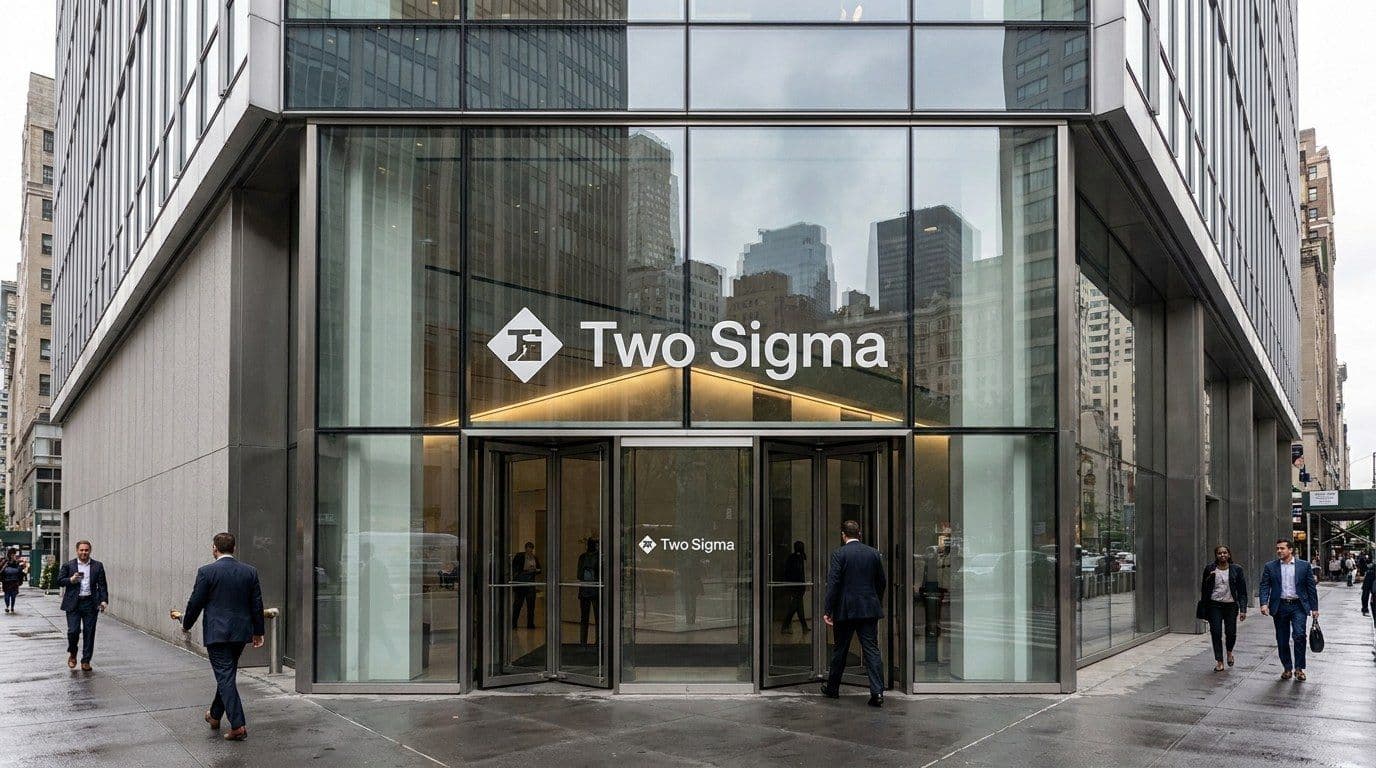
Two Sigma Investments has halted fundraising for its real estate unit and cut senior staff after raising less than half of its roughly $2 billion target, Bloomberg reported Friday, citing people familiar with the matter. The Two Sigma real estate retreat is the latest sign that elevated interest rates have drained momentum from private property fundraising, even for one of Wall Street's largest quantitative hedge funds. The firm had sought about $2 billion for the business but pulled in less than half that amount before freezing the effort, according to the report. The shortfall highlights how difficult it has become to attract institutional capital to commercial property. Private real estate fundraising totaled just over $30 billion in the third quarter of 2026, the weakest quarterly total since early 2013, according to PEI Group data cited by Bloomberg. ## Two Sigma real estate fundraise falls short of $2 billion target Higher borrowing costs have compressed commercial property valuations, forcing owners to hold assets for longer and slowing the sales that return capital to backers. For a new entrant, the timing proved unforgiving. Two Sigma began forming the real estate business in 2019 and launched it with internal capital about two years later, then opened it to outside investors in 2024 through its Real Estate Opportunity Fund. The Two Sigma real estate fund concentrated mainly on housing and industrial investments, with selective stakes in hospitality and office real estate. The firm's pitch was to apply its quantitative investing expertise to property markets, using data and predictive tools to project supply and demand and guide investment decisions. But the Two Sigma real estate fundraising effort ran into a market where higher rates pressured values, deal volume stayed thin, and allocators grew more selective about new private real estate commitments. ## Two Sigma real estate leadership exits include CIO Rich Gomel Rich Gomel, the unit's partner and chief investment officer, is leaving the firm, according to the report. Other departures from the Two Sigma real estate leadership team include two of the business's three remaining partners and one of its two heads of data science. A smaller group of employees will stay behind to manage the existing property portfolio, but the unit is no longer fundraising or deploying new capital. The Two Sigma real estate business was led by former Blackstone Vice Chairman Tom Hill, who helped build the initiative before leaving the firm last year. His exit was followed by the broader leadership shakeout now underway, hollowing out a team Two Sigma spent years assembling as it tried to extend its systematic investing platform into private real assets. Two Sigma, a quantitative hedge fund managing roughly $85 billion, has also faced internal turbulence as its two co-founders remain locked in a prolonged dispute. The Two Sigma real estate pullback adds a capital-raising setback to that backdrop, narrowing the firm's expansion ambitions at a moment when many managers have tried to diversify beyond liquid trading strategies. For the broader private real estate fundraising market, the failed raise is another difficult data point. With third-quarter fundraising at its lowest since early 2013, sponsors are competing for a shrinking pool of commitments. The Two Sigma real estate experience suggests that even a large, well-known hedge fund brand cannot count on fundraising success when the rate environment works against property values and investor patience wears thin. The episode also illustrates the limits of brand power in private markets. Two Sigma built one of the most successful quantitative trading franchises on Wall Street, yet its real estate fundraising could not overcome a market where higher rates compressed values, extended hold periods and made limited partners reluctant to commit fresh capital. With industry-wide fundraising at its weakest since early 2013, the bar for new managers keeps rising — and even established names are finding it harder to clear.