Experts push RFK Jr. to define ultraprocessed foods
PBS reports experts are pushing Robert F. Kennedy Jr. to release a federal definition of ultraprocessed foods, so all sides share the same terms.
by Trends DeskOctober 24, 20263 min read
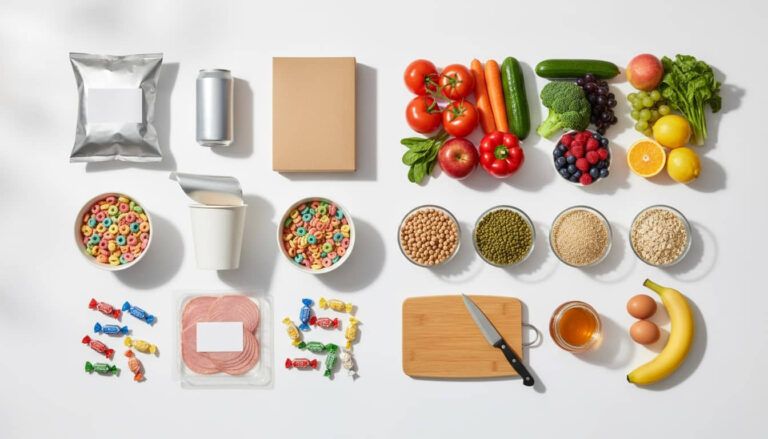
Why are experts pushing Robert F. Kennedy Jr. to release a federal definition of ultraprocessed foods? PBS reports that experts are pressing for that definition, arguing that a shared federal definition of ultraprocessed foods would give shoppers, firms, and officials the same terms to work with. Without it, the phrase ultraprocessed foods can mean one thing in a headline and another in a policy paper, and that gap is what the push seeks to close.
What a definition of ultraprocessed foods would do
A definition of ultraprocessed foods would set out, in official words, which foods count as ultraprocessed and which do not. That matters because labels, guidance, and rules all lean on shared terms. If two firms read the same phrase in different ways, shoppers get mixed signals. A single definition would let everyone start from the same place, even if they still disagree about what should follow from it.
Ultraprocessed foods are often described in general terms as foods made through heavy industrial processing, with long ingredient lists and additives that a home cook would rarely use. That general description is widely used, but it is not a federal definition. It leaves room for argument at the edges, where a food may look processed in one sense and plain in another. The experts in the PBS report want that room closed by an official text.
Why experts want the ultraprocessed foods definition now
Food policy moves through words. A school menu, a label rule, and a public health guide each need to know which foods they cover. Food policy of this kind is written one term at a time, and each term needs a settled meaning before it can be used in a rule. Without a definition of ultraprocessed foods, each of those efforts must supply its own working meaning, and those meanings can drift apart. The push reported by PBS is therefore a push for a common starting point, not a claim that a definition alone settles every food question.
Robert F. Kennedy Jr. is the official the experts are addressing, in his role as the federal health chief. The report presents the push as aimed at his office, asking it to publish the definition. The report does not quote a reply from his office in the headline account, and this article does not invent one. The push itself is the news: experts asking a federal health chief to put the definition in writing.
What a definition would not settle
A definition would not by itself decide which foods people should eat, or how firms should change a recipe. It would give the debate a shared vocabulary. Shoppers could read a label with a clearer sense of what the term covers. Firms could plan around one text rather than many readings. Officials could write rules that point to the same words. Those are the practical gains the push points to, and they stop short of claiming more than a definition can do.
Shoppers already meet the phrase in news reports and on product packs, and each use can carry a slightly different meaning. One writer may use it for any packaged snack, while another may reserve it for foods with many additives. An official definition would narrow that range, so the same phrase points to the same group of foods in each place it appears. That shared meaning is what the experts in the PBS report are asking for, and it is the reason they frame the ask as a definition rather than as a new rule.
PBS reports that experts are pushing Robert F. Kennedy Jr. to release a definition of ultraprocessed foods. The ask is for official words that give the phrase one meaning across labels, guidance, and rules.