Unilever Welly sale: bandage brand goes to PE firm
Unilever has agreed to sell its Welly bandage business to a private-equity firm, the WSJ reports, in its latest portfolio reshuffle.
by Trends DeskOctober 21, 20263 min read
Unilever has agreed to sell its Welly bandage business to a private-equity firm, according to a Wall Street Journal exclusive. The Unilever Welly transaction marks another step in the group's portfolio reshuffle, and the Unilever Welly exit shows the consumer giant sharpening its focus on core power brands.
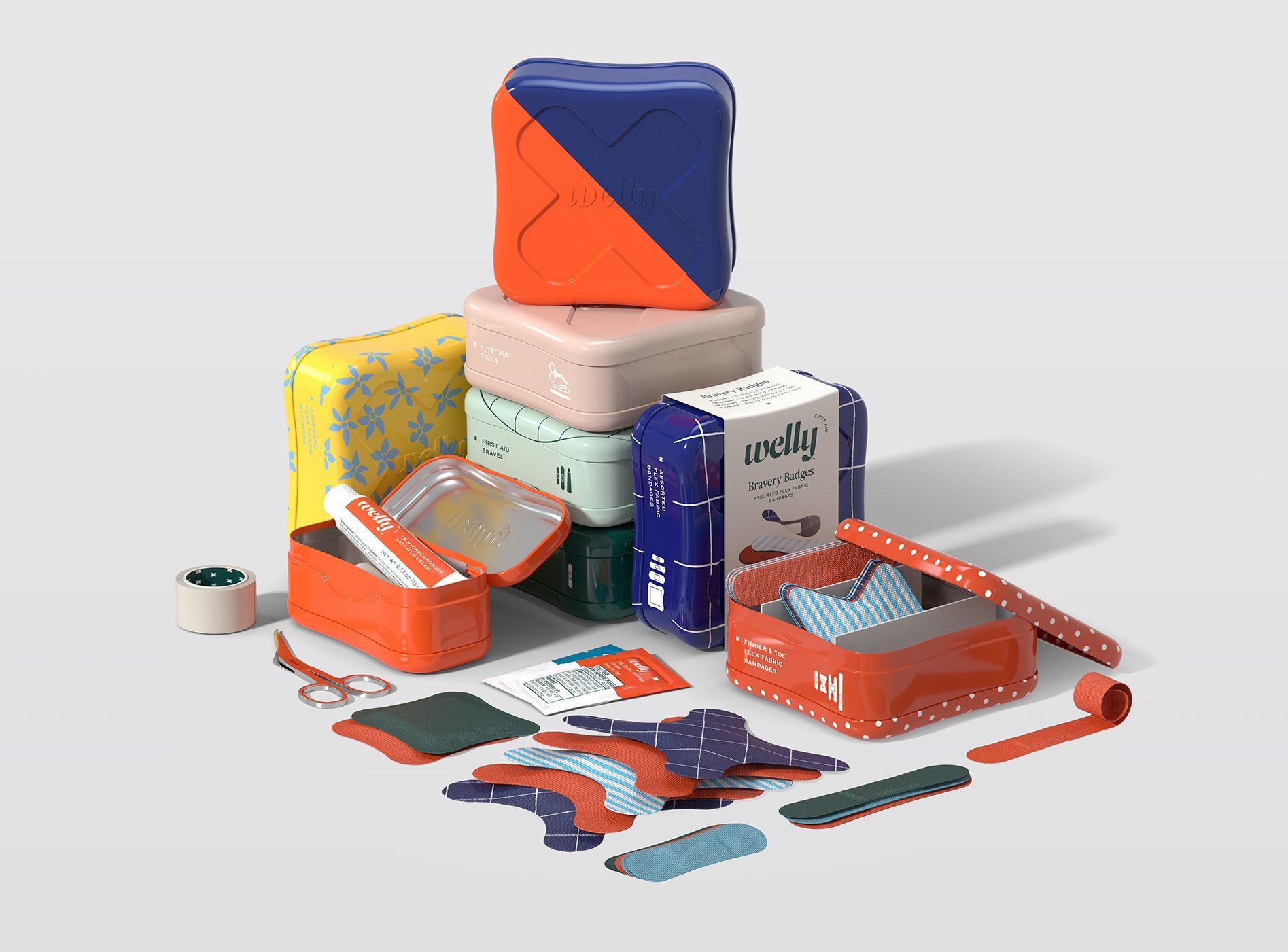
Welly, known for colourful design-led first aid, was acquired as part of a push into premium personal care. Welly bandages carved out a distinctive niche, but the label remained small within a vast personal-care division competing for management attention and marketing budgets.
The buyer is betting the brand can grow faster standalone. A private equity deal gives the new owner freedom to invest in distribution and product development without competing for capital against billion-euro brands inside a conglomerate.
Unilever Welly: why the bandage brand is being sold
The Unilever Welly sale fits the group's strategy of focusing on fewer, bigger brands. Each Unilever portfolio sale is judged on whether it releases capital for priority franchises, and investors have generally welcomed the pruning discipline.
For the buyout firm, the attraction is a recognised brand with loyal customers and room for line extensions in first aid. Consumer brands divestment deals have become common as large groups shed smaller labels that struggle to command resources.
The US first-aid aisle is competitive, and Welly bandages will need sustained marketing to hold shelf space. Independence offers a chance to prove that a design-led brand can thrive on its own terms, with an owner whose sole focus is its growth.
Unilever Welly sale reflects a wider pruning wave
The Unilever Welly deal is part of a broader pattern. Each private equity deal for an orphaned consumer label follows the same logic: focused management, dedicated investment and freedom from conglomerate budgeting cycles.
Terms were not disclosed. But the Unilever portfolio sale programme has already touched multiple categories, and the steady pace of consumer brands divestment across the industry suggests more such deals are coming.
Welly's journey illustrates the lifecycle of many digitally native brands inside conglomerates. Acquired for its design credentials and loyal following, the label benefited from corporate distribution muscle but struggled for attention against brands ten times its size. A focused owner removes that internal competition for resources.
Private-equity buyers have built a playbook for such carve-outs: professionalise the supply chain, expand distribution beyond the home market and add adjacent products under a trusted name. Whether that playbook works for first aid, a category dominated by entrenched giants, is the open question.
Industry bankers say the market for carve-outs remains healthy, with buyout firms sitting on substantial dry powder earmarked for consumer assets. Brands with genuine consumer affection but subscale revenues are prime targets, since focused investment can often unlock growth that conglomerate ownership stifled.
For Unilever, the disposal continues a multi-year simplification drive under which the group has exited tea, spreads and a string of smaller personal-care labels. Management has argued that a tighter portfolio allows bigger bets on innovation and marketing for the brands that remain.
The transaction is expected to complete in the coming months, subject to customary closing conditions, after which Welly will begin life as an independent company backed by its new owner.
For Unilever, the Unilever Welly exit removes a distraction. For Welly, new ownership is an audition for life beyond the conglomerate, with growth, not fit, as the measure.