US EV Policy Chaos Hits Detroit's EV Transition Hard
Trivium China's David Zhang says US EV policy reversals and steep China tariffs are forcing Detroit automakers to scale back electric-vehicle plans.
by Trends DeskOctober 19, 20263 min read
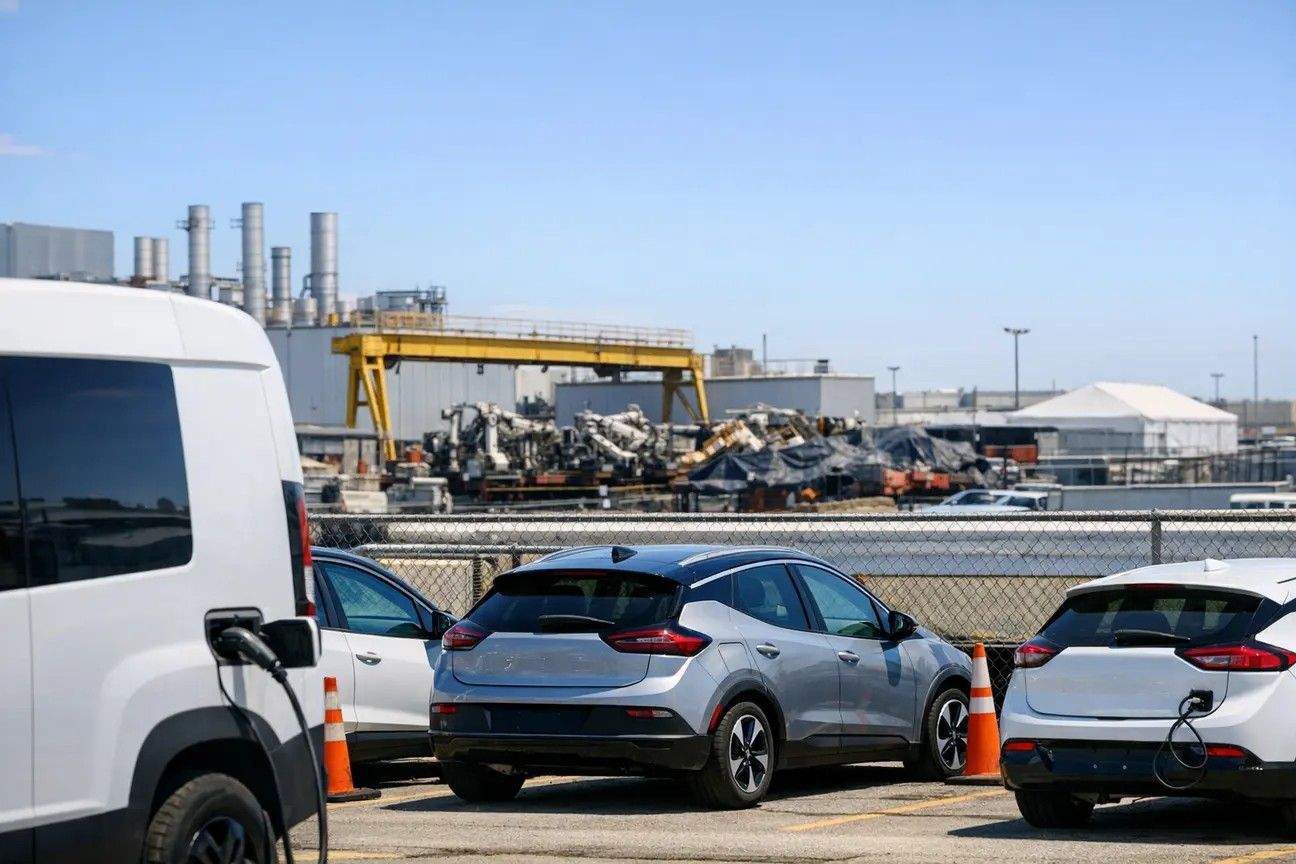
Detroit's electric-vehicle ambitions are colliding with Washington's trade agenda, and analysts say the fallout is landing hardest on American carmakers themselves. The current US EV policy mix of triple-digit tariffs on Chinese electric cars, fresh limits on China-linked vehicle software and hardware, and the rollback of domestic EV incentives has created what one analyst calls a planning vacuum for an industry that thinks in decades.
David Zhang, a macroeconomics and policy analyst at Trivium China, said Washington's protectionist approach to Chinese EVs is backfiring on Detroit's EV transition. The United States, he said, lacks a coherent long-term EV industrial policy, a gap that leaves carmakers guessing about the rules that will govern the next decade of investment.
In his second term, the Trump policy turn on electric cars has been sharp. The federal government has retreated from EV incentives, rescinding EV production incentives and watering down fuel economy standards. At the same time, Chinese EV makers face tariffs of more than 100 percent in the United States, alongside steep China tariffs on related goods, plus restrictions on China-linked software and hardware over data security concerns.
Zhang argued that dramatic policy reversals make it very difficult for US and Chinese carmakers to plan investments on the five-to-ten-year horizons the auto industry requires. The result, he said, is already visible in Detroit, where American carmakers are scaling back EV expansion plans, cutting production targets, and delaying or cancelling new EV platforms.
How US EV Policy Reversals Are Hitting Detroit Automakers
Detroit automakers built their EV roadmaps around a policy environment that no longer exists. Billions in planned spending on battery plants and electric platforms assumed steady federal support through EV incentives and tightening emissions rules. When those supports were pulled back, the math behind many projects changed overnight.
The consequences are now public. Detroit automakers including General Motors, Ford, and Stellantis have each trimmed EV targets or pushed back timelines for new electric models, even as they insist the long-term shift to electric vehicles remains intact. Industry watchers say the cuts reflect not a verdict on consumer demand but a response to policy uncertainty: without stable rules, capital-intensive EV programs become difficult to justify to shareholders.
The China tariffs complicate matters further. Tariffs of more than 100 percent on Chinese electric vehicles, combined with restrictions on China-linked software and hardware, were meant to protect domestic manufacturers. But Zhang contends they have also cut US firms off from the world's most competitive EV supply chains, raising costs for the very companies the tariffs were supposed to help.
US EV Policy vs. China's Long-Term Industrial Playbook
The contrast with Beijing is stark, analysts say. China has pursued EV industrial policy with unusual consistency, pairing subsidies, charging infrastructure investment, and manufacturing targets across multiple five-year planning cycles. That steadiness helped Chinese brands dominate their home market, build massive battery supply chains, and expand aggressively abroad.
The United States, by contrast, has swung between encouragement and retreat. The decision to rescind EV production incentives and weaken fuel economy standards follows years in which earlier policies pushed automakers in the opposite direction. Zhang said such whiplash is uniquely damaging in autos, where a single vehicle platform can take half a decade and billions of dollars to bring to market. Suppliers, dealers, and workers all plan around those same long cycles.
For now, Detroit's EV transition is in a holding pattern, caught between the China tariffs and the Trump policy reversal on incentives. Until Washington settles on a direction and offers the clarity, visibility, and stability that long-term investment demands, analysts say Detroit's electric ambitions will keep shrinking to fit the uncertainty.