NASA Backs AI Education for Arizona Colleges
NASA awarded 600,000 dollars to the Arizona Space Grant Consortium for AI education, including 300,000 dollars for Embry-Riddle curricula and labs.
by Trends DeskOctober 20, 20264 min read
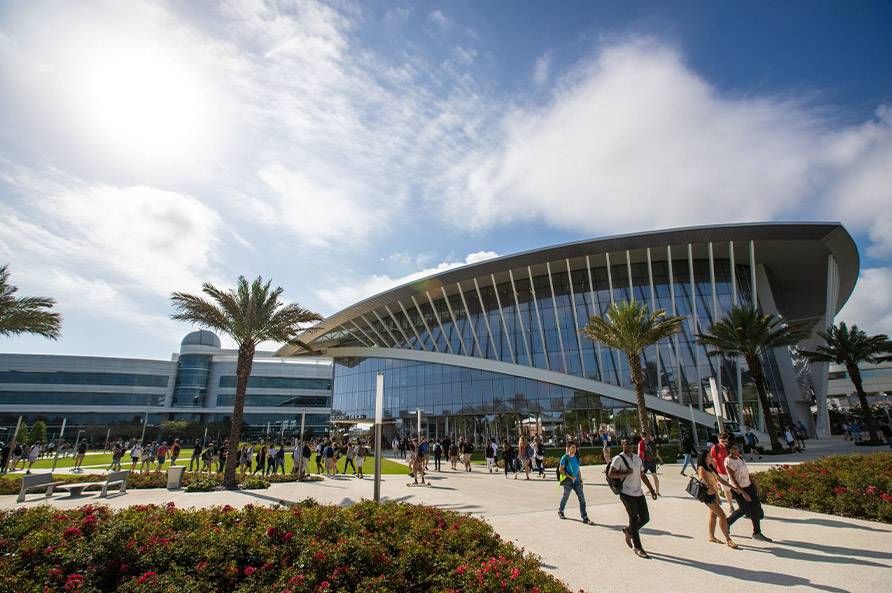
NASA has selected an Arizona initiative for 600,000 dollars in funding for AI education, directing 300,000 dollars to Embry-Riddle Aeronautical University to create AI-focused curricula and project-based learning experiences. The award sits inside a larger NASA grant to the Arizona Space Grant Consortium, a coalition that promotes research, training and education in the space industry. The funding supports a three-year initiative called the Arizona Artificial Intelligence Workforce Development Cooperative, administered by the University of Arizona, and the work is expected to begin in fall 2026.
The cooperative was one of 13 proposals selected in the 2026 competition, putting Arizona at the front of a national push to prepare students for aerospace careers in the era of artificial intelligence. Embry-Riddle will use its share to build AI-focused curricula, develop a laboratory for education in robotics, cybersecurity and data science, and share its modules, credentials and faculty training resources with other schools. Paid undergraduates will be paired with faculty mentors to give feedback on AI instruction, a feature the university calls unique to its role in the project.
University leaders say the timing is critical. Incorporating AI education into aerospace engineering is essential to preparing students for the changing workforce, said Dr. Jeffrey Miller, dean of the university's College of Engineering on the Prescott campus. The collaboration between the university and the Arizona Space Grant Consortium shows that leaders in Arizona are responding to this need, he said. Dr. Elliott Bryner, associate professor and chair of the Mechanical Engineering Department, will lead the university's involvement and serve as its liaison with other participating institutions.
How the NASA grant shapes AI education
The NASA grant structures the project as a statewide cooperative rather than a single-campus program. The Arizona Space Grant Consortium will convene recurring workforce-alignment workshops that connect educators, students, project leaders and industry to identify AI workforce gaps. The goal is a direct line between industry demand and classroom output, so that what students learn matches the skills Arizona's aerospace employers say they need. This project puts Embry-Riddle on the leading edge of AI curriculum and training development, Bryner said, and allows the university to shape the direction of efforts across the state.
The design also pushes AI education beyond computer science departments. The new laboratory will support hands-on learning in robotics, cybersecurity and data science, fields where artificial intelligence is reshaping job requirements. Project-based learning experiences will let students apply AI tools to real aerospace problems, from design to testing. By sharing modules and credentials with other schools in the consortium's network, the project aims to spread its AI education curricula to community colleges and universities across Arizona.
What AI education means for Arizona students
For students, the initiative means earlier and deeper AI education inside engineering programs. Paid undergraduates will help shape future classes by testing AI instruction and giving faculty feedback, a role that doubles as workforce experience. The university expects the new curricula to prepare students for high-wage aerospace careers in Arizona, where employers increasingly list AI skills alongside traditional engineering training in job postings.
The funding arrives as Arizona's aerospace sector keeps growing. The state is home to major employers in aviation, defense and space, and industry groups have warned of a shortage of workers trained in both engineering fundamentals and modern AI tools. By embedding AI education in aerospace engineering degrees, the cooperative aims to produce graduates who can move directly into those roles. The three-year timeline gives the consortium room to build, test and refine the curricula before sharing them statewide.
AI education and the aerospace workforce
The broader bet is that AI education will become as central to engineering training as mathematics. The cooperative's workshops will bring educators and industry together regularly to keep the curricula aligned with hiring needs, a feedback loop the organizers say will outlast the grant itself. If the model works, other states could copy it, using space grant consortia as the vehicle for workforce development.
For now, Arizona's colleges are preparing for a fall 2026 launch. Faculty hiring, lab construction and curriculum design are expected to begin in the coming months, with the first student cohorts following. The NASA funding gives the state a head start in a race every aerospace hub is running, training the engineers who will design the aircraft and spacecraft of the AI era.