School Closures Surge as U.S. Enrollment Falls Sharply
School closures are advancing across the U.S. as districts from Oregon to Colorado face falling enrollment and budget gaps. Here are the key votes.
by Trends DeskOctober 19, 20263 min read
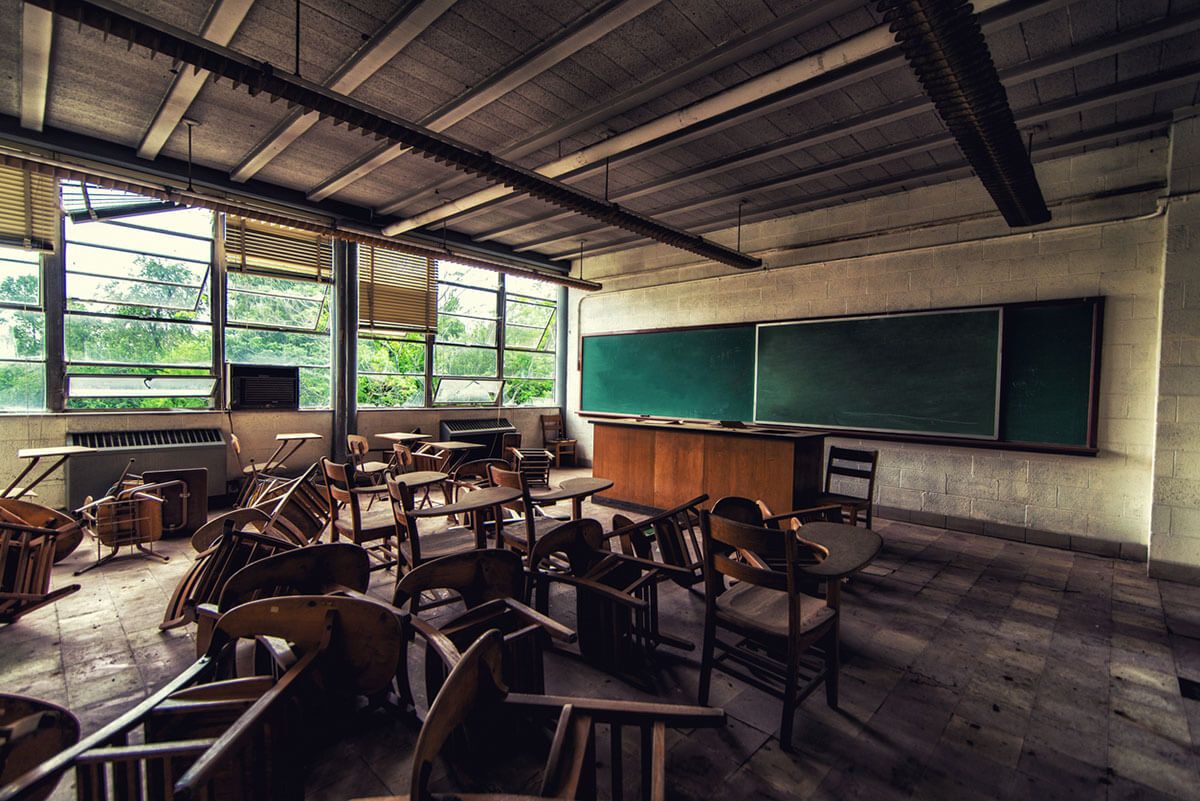
From Oregon to Colorado, school closures are moving from proposals to reality as districts confront declining enrollment and tightening budgets. In the past two weeks alone, school boards in four states have advanced plans to shutter campuses, some over fierce community opposition, in what is becoming one of the most visible national trends in K-12 education.
In Oregon's Salem-Keizer district, Superintendent Andrea Castañeda has recommended closing six elementary schools, Brush College, Candalaria, Cummings, Englewood, Liberty and Richmond, at the end of the 2026-27 school year. At an Oct. 13 meeting, parents and students delivered hours of testimony opposing the plan, describing the campuses as anchors of their neighborhoods. The board is expected to vote Dec. 8.
In Arizona, the Scottsdale Unified board voted Oct. 6 to close Copper Ridge School and Laguna Prep, campuses that opened in 2001 and 1987 respectively. The shutdowns are expected to save about $2.7 million and affect 700 to 900 students. Enrollment in the district has fallen by more than 6,000 students since 2010, and the district previously closed Pima and Echo Canyon elementaries: making this the latest round in a long retrenchment.
The opposition in Salem-Keizer illustrates why these fights run so hot. Families argued that closing elementary schools forces young children into longer commutes and breaks apart communities built over generations. District leaders counter that keeping half-empty buildings open drains resources from the students who remain: a tension playing out in nearly every closure debate in the country.
Votes in California and Colorado
In California, an advisory committee in Ventura has ranked Lemon Grove and Mound Elementary as the top candidates for closure among six schools recommended for shutdown: a list that also includes Poinsettia, E.P. Foster and Sheridan Way. District enrollment has fallen by almost 20 percent over the past decade, leaving campuses the district says it can no longer afford to operate.
In Colorado, the Poudre School District board heard an Oct. 13 recommendation to close nine schools and consolidate two others, with a vote scheduled for Oct. 27: one of the largest closure packages advanced anywhere this fall as budget deficits force hard choices. Students at affected campuses would be reassigned to nearby schools under the consolidation plan.
Falling enrolment nationwide
The drivers are strikingly consistent: declining enrollment, budget deficits, aging populations and competition from charter and private schools. Fewer students means less funding, which is typically tied to headcounts, while the costs of staffing and maintaining half-empty buildings keep rising. For leaders across K-12 education, the math is unforgiving: every empty classroom is money not spent on teachers, programs or building repairs elsewhere.
Districts invariably describe consolidations as a last resort, taken only after years of declining enrollment made the status quo untenable. Parents counter that closing neighborhood schools hollows out communities and disproportionately affects families with the fewest options. Both sides can point to real stakes, which is why closure votes draw some of the largest crowds school boards see all year.
What happens next will be decided by school boards in a string of public votes: Salem-Keizer on Dec. 8, Poudre on Oct. 27, with Ventura's recommendations heading to its trustees next. As school closures advance toward final decisions this fall, the fights over which campuses survive, and what replaces them, are only intensifying.