What Work Colleges Teach US Higher Ed Today
At America's 10 work colleges, every residential student works campus jobs to help pay for college. Higher ed is studying what makes the model work.
by Trends DeskOctober 20, 20264 min read
America's work colleges require every residential student to hold a campus job, and a new examination of the model suggests the rest of higher education should pay attention. At the 10 institutions designated as work colleges, students work at least five hours a week or 80 hours a semester through work-learning-service programs that count toward their education. Advocates say students earn more than a free or discounted degree. They also gain employment experience, professional certifications and a record of workplace skills that employers can read alongside a transcript.
The model is drawing fresh interest as families question the value of a degree. To qualify, an institution must be nonprofit, offer four-year degrees and provide students with education-linked employment. That definition is separate from federal work-study, which is based on financial aid status. Work colleges require all residential students to participate, and the jobs range from dining halls and grounds crews to software development and campus management.
Berea College in Kentucky is the best-known example. Students there receive a separate labor transcript on which supervisors evaluate their performance, giving graduates a record of the skills they learned through work placements. Some students earn professional certifications, such as a Dell certification in computer diagnostics and repair. And not all campus jobs are glamorous. New students often start in the dish pit or mowing grass before working their way up to more skilled roles.
How work colleges blend labor and learning
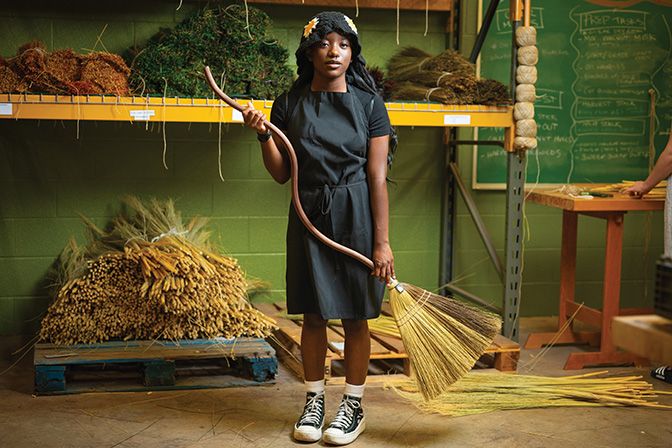
Campus work at these schools is designed as education, not just employment. Each job lays out clear learning objectives, and working students are supervised closely by faculty or staff. At Berea College, a student identified in the reporting as Razote went from pushing a broom to fighting malware and developing software for the college's labor office. The experience helped in job interviews, he said. Collis Robinson, Berea's dean of student labor, followed a similar path. Recruited from South Carolina in 2009, he spent his first year cleaning campus facilities and setting up for events before working his way up to financial officer for the campus activities board and later its student director. Now he guides students on the same journey.
At the College of the Ozarks, president Johnson said students often start in humble jobs like the dish pit or mowing grass, and learn that contributing to the whole can be meaningful. The schools emphasize upward mobility, and students are expected to take on more responsibility as they progress.
What work colleges mean for student success
Supporters argue that work colleges answer the value question dogging higher education. Students graduate with less debt and a resume built over four years, not just a diploma. Other institutions are adopting pieces of the model, such as digital credential wallets that record skills the way Berea's labor transcript does. The philanthropy picture is also striking. Philanthropic gifts made up 28 percent of revenue at work colleges, compared with 9 percent elsewhere, suggesting donors see the mission as worth backing.
The College of the Ozarks says the work requirement builds habits employers want. Students learn punctuality, supervision and teamwork in settings where their labor keeps the campus running. Critics of the model note that mandatory work can strain students who are already balancing coursework, and not every campus job offers the same quality of mentorship. But advocates say the structure, with supervisors acting as educators, is what separates work colleges from ordinary student employment.
Can work colleges scale beyond ten schools
The obvious question is whether the lessons can travel. With only 10 designated institutions, from Sterling College in Vermont with just over 100 students to larger schools like Berea, the model remains rare. Sterling, the smallest work college, ties every job to classroom learning, with clear objectives and close faculty supervision. Replicating that at a large public university would require rethinking how student labor is organized and evaluated.
Still, higher education leaders are borrowing the ideas. Student labor programs with learning objectives and skills transcripts are spreading beyond the 10 designated schools. As colleges face pressure to prove their worth, the work college experiment offers a concrete answer. Students who work their way through college, the evidence suggests, may learn as much on the job as in the lecture hall, and graduate with proof of both.