Volkswagen Xpeng bet fails to fix China business woes
Reuters reports Volkswagen's Xpeng partnership is not going to plan, exposing the German carmaker's deepening China struggles.
by Trends DeskOctober 21, 20263 min read
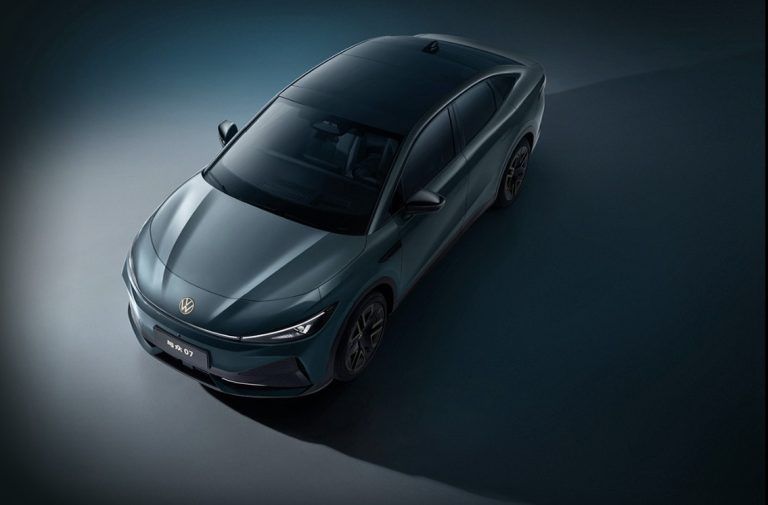
Volkswagen bet on Xpeng to rescue its China business, and the Volkswagen Xpeng alliance is not going to plan, according to a Reuters exclusive. The Volkswagen Xpeng partnership was meant to accelerate software and electric-vehicle development, but the collaboration has yet to close the gap with domestic rivals that dominate electrification.
The German group turned to the Chinese EV startup for technology and faster development cycles, a tacit admission that its in-house efforts were losing the race. The China EV market rewards speed above all: local brands iterate faster, price aggressively and dominate the software-defined features buyers now expect.
But partnerships cannot fix market structure. VW China sales remain under pressure as consumers shift decisively toward domestic electric brands, and the group's electric models have not captured imaginations the way BYD, Geely and newer startups have.
Volkswagen Xpeng: where the rescue strategy stalls
The Volkswagen Xpeng programme shows how hard the market has become for foreign brands. European automakers in China once relied on joint ventures that printed money; today those same ventures are being squeezed by local competitors with superior software and shorter product cycles.
Execution has been the problem. The Xpeng partnership promised faster development, but integrating a startup's software stack into a global carmaker's platforms is slow, culturally fraught work, and while the Volkswagen Xpeng teams worked through integration, rivals launched new models and cut prices.
There is also a branding challenge. Chinese buyers increasingly see domestic marques as the technology leaders, and a Volkswagen badge no longer commands its old premium. In the China EV market, desirability is being decided by product cadence and software, not heritage.
Volkswagen Xpeng and the foreign carmaker dilemma
If the Volkswagen Xpeng bet cannot stabilise VW China sales, the group faces hard choices on capacity and capital allocation in its largest market. China long funded Volkswagen's global investment; a diminished position there reshapes the company's worldwide strategy.
The episode carries a wider lesson for European automakers in China: technology alliances can accelerate development but cannot substitute for market positioning. Every foreign brand now faces the same choice between expensive localisation, deeper partnerships or managed decline.
The China market has humbled other foreign carmakers too. Japanese and American brands have all ceded share to domestic EV makers, and several have scaled back capacity or restructured joint ventures. Volkswagen's response, leaning on a local technology partner, was among the most aggressive, which makes the stumble more conspicuous.
What happens next will be watched in boardrooms from Wolfsburg to Tokyo. If even a well-capitalised partnership cannot crack the market, foreign automakers may have to accept permanently smaller, more premium niches in China rather than the mass-market dominance they once enjoyed.
Volkswagen is not alone in seeking local technology allies. Several global carmakers have struck similar deals with Chinese firms for batteries, software and platforms, acknowledging that the centre of automotive innovation has shifted east. The question is whether such alliances deliver quickly enough to matter.
For now, the German group's China team faces the difficult task of explaining to headquarters why a flagship partnership has yet to move the needle on showroom performance.
For Volkswagen, the Volkswagen Xpeng experience shows that even well-funded alliances must still win the showroom battle. In China's EV wars, the winners are decided quarter by quarter, and patience is in short supply.