Wholesale used car prices rebound in October
The Manheim Used Vehicle Value Index reached 207.4 in early October, up 2.2% from a year earlier, as tighter wholesale supply firmed up used car prices.
by Trends DeskOctober 25, 20264 min read
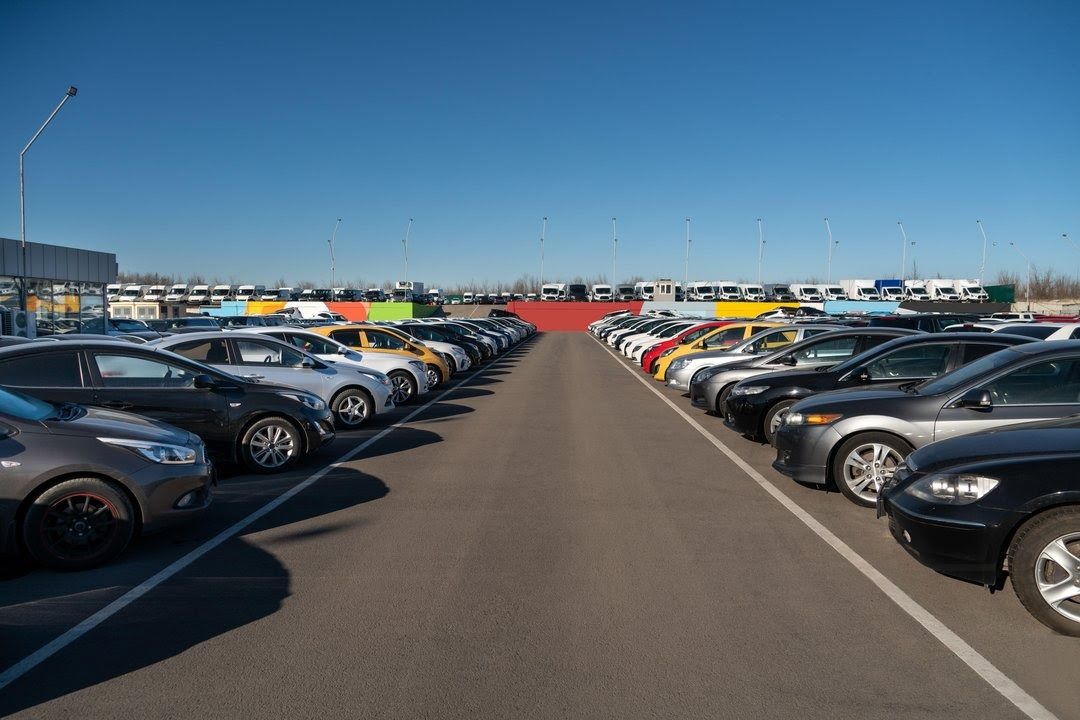
Wholesale used car prices firmed up in early October, according to the latest Manheim Used Vehicle Value Index. The Manheim index reached 207.4 through the first 15 days of October, up 0.7% from September and 2.2% higher than a year earlier. The rise came as wholesale supply tightened, even though dealer demand stayed largely flat.
The index measures wholesale transactions between industry buyers and sellers, adjusted for mix, mileage and seasonality. It does not measure used car prices paid by consumers at dealerships, a distinction that matters when reading the headline number. Non-adjusted wholesale prices actually fell 2% in the first half of October from September, but they remained 0.5% higher than a year earlier.
What October showed
Wholesale supply fell to 28.2 days as of October 15, down from 28.7 days at the end of September. That narrowed the gap with last year from 2.5 days to about one day. Jonathan Gregory, senior director at Cox Automotive, said sales conversion remained slightly above last year while retention eased, and he added that leaner inventory, rather than stronger dealer demand, appears to explain the firmer values.
Segment results varied, and used car prices moved in different directions by vehicle type. Compact car prices rose 5.6% from a year earlier, and midsize car values turned positive. Fuel efficiency and affordability were the main drivers of segment performance amid persistently high gas prices, Gregory said. Electric vehicle values slipped 0.7% from September, while non-electric vehicle values rose 0.7%, a shift in wholesale momentum between the two groups.
The October reading followed a softer September. The Manheim index fell to 205.9 in September, down 1.1% from August and 0.6% from a year earlier, after adjustments for mix, mileage and seasonality. The October rebound therefore looks less like a surge and more like a recovery from third-quarter softness, with much of the annual gain reflecting an easy comparison with an unusually weak October last year, Gregory said.
Why used car prices rose on tighter supply
Tighter supply is the main explanation. Fewer wholesale vehicles on offer means dealers bidding for stock push prices up, even when retail demand is flat. Lease returns are becoming more plentiful, which adds supply over time, but that flow has not yet loosened the wholesale market enough to pull values down.
Cox Automotive had already lowered its expectations for the year. The company cut its year-end outlook for the Manheim index in early October, expecting it to finish 2026 up around 0.2%, down from the 2% increase it projected in July. Jeremy Robb, chief economist at Cox Automotive, said in a news release: "We are in the weakest season for wholesale valuations, and as September closed, depreciation was steeper than we typically see this time of year."
Robb also pointed to the wider pressures on the market, including high fuel costs and interest rates that weakened wholesale values during the third quarter. Larger pickups and SUVs saw declining demand and values, while older, less expensive vehicles held up better. Those trends suggest shoppers may find more room to negotiate on larger vehicles, even as the headline index rises.
What the rebound means for used car prices
Retail used car prices tell a different part of the story. Used car prices paid by consumers, measured by the Bureau of Labor Statistics consumer price index for used cars and trucks, were down 1.46% from a year earlier as of October 2026, according to CarCast. Autotrader reported an average used-vehicle listing price of $27,239 in August, up 7% from a year earlier, while vehicles priced below $15,000 made up only 15.1% of inventory with a tight 29-day supply.
For buyers, the wholesale rebound does not mean used car prices in showrooms jump at once. Wholesale values feed into retail prices with a lag, and dealers still face flat demand. The firmer index does suggest the floor under used car prices is holding, at least for now, rather than giving way as the year ends. The company now expects the index to finish 2026 just 0.2% above its year-end 2025 level, down from the 2% increase it projected in July.