Workforce Pell approved for Arizona health training program
Arizona became the seventh state approved for Workforce Pell, letting Pima Medical Institute students use Pell Grants for phlebotomy technician training.
by Trends DeskOctober 23, 20263 min read
PHOENIX: The U.S. Department of Education approved a new Workforce Pell Grant program in Arizona on Oct. 22, making the state the seventh in the nation to join the program that opens federal aid for short-term job training.
Eligible students at Pima Medical Institute can now use Pell Grants to enroll in its Phlebotomy Technician program, which trains students for specialized healthcare careers. The approval opens federal aid to Arizonans pursuing credentials outside the traditional two- and four-year degree path.
"Workforce Pell is creating new opportunities for students to gain the skills they need to succeed in today's economy, and today's approval in Arizona underscores that commitment," said Under Secretary of Education Nicholas Kent. "Students in Arizona can now enroll in high-quality, healthcare-aligned training that is critical to workforce demands across the state."
Workforce Pell was established in President Trump's Working Families Tax Cuts Act, signed into law last year. It allows eligible students to draw on the grants for accredited programs lasting 8 to 15 weeks, expanding access to postsecondary education through credentials tied directly to workforce needs.
How Workforce Pell works
The program covers short-term programs that meet federal criteria for quality and labor-market value. Programs must be accredited and typically run 8 to 15 weeks, far shorter than a traditional degree. The Department of Education ran a negotiated rulemaking to set the regulatory framework, publishing the final rule on May 18, 2026. It took effect on July 1, 2026.
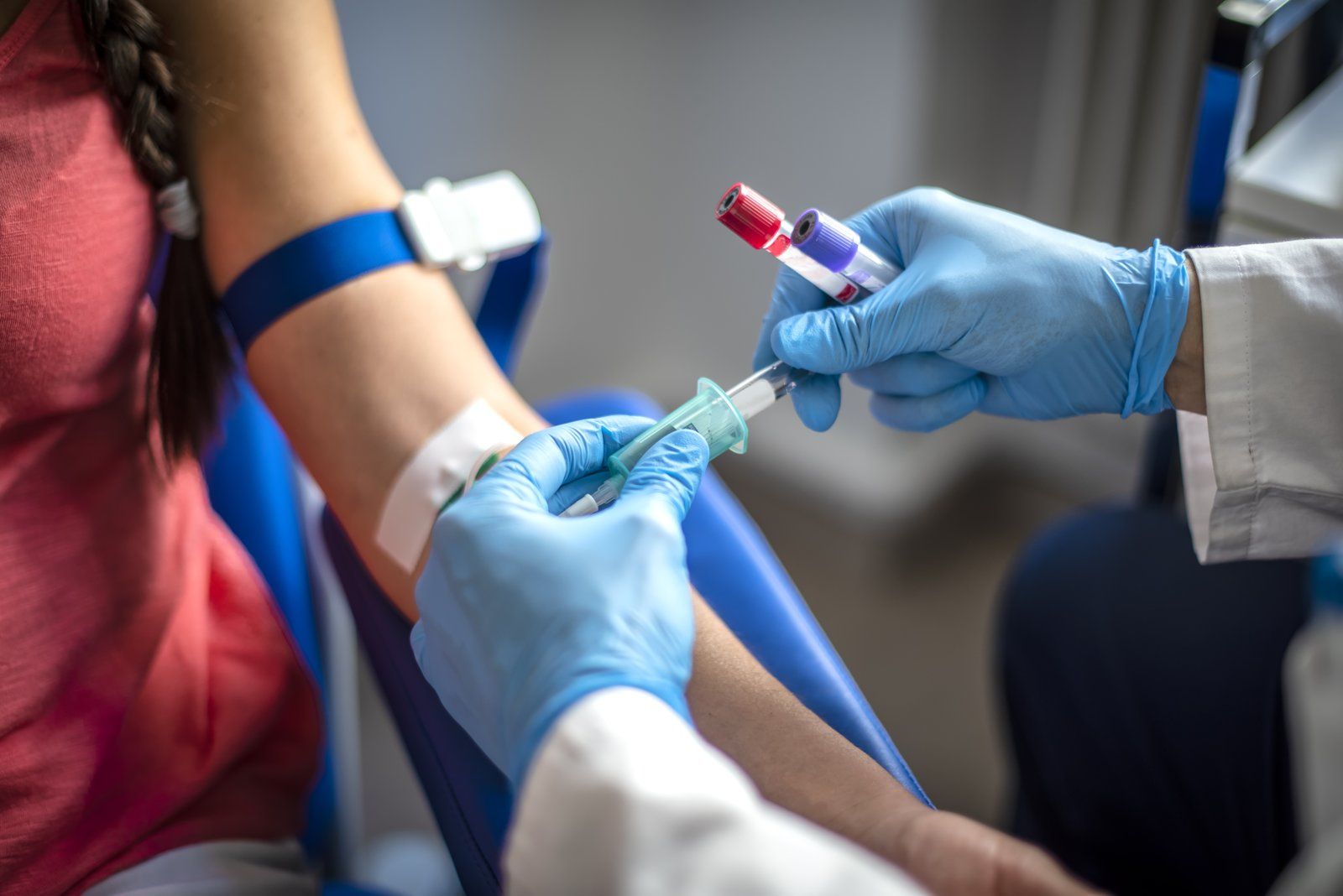
The idea is to give federal aid to students training for specific jobs rather than only to those enrolled in degree programs. Phlebotomy, the practice of drawing blood for testing and donation, is one such field: hospitals, clinics and laboratories need trained technicians, and the training takes weeks rather than years.
Mark Luebke, co-CEO of Pima Medical Institute, welcomed the approval. "Workforce Pell creates an exciting opportunity for more students to pursue hands-on training and take their first step toward a meaningful healthcare career," Luebke said. "Approval of our Phlebotomy Technician program in Phoenix will provide more eligible students with access to this training while supporting healthcare employers' need for qualified professionals. We appreciate our state and federal partners' commitment to expanding access to career education and helping students build a stronger future for themselves and their families."
Arizona becomes the seventh Workforce Pell state
Arizona is the seventh state to win approval. The department approved the first Workforce Pell Grant program in Iowa on Aug. 4, 2026, and has since approved programs in Indiana, Nebraska, North Carolina, Texas and Florida.
In each state, governors work with state workforce boards to identify education and training programs that meet high-skill, high-wage and in-demand criteria. State leaders choose programs they believe will improve employment outcomes and produce strong economic returns for workers and their communities.
The Arizona approval covers one program at one institution for now: the Phlebotomy Technician program at Pima Medical Institute. More Arizona programs could follow as the state's workforce board identifies additional training that meets the federal bar.
What Workforce Pell means for students
For students, the change is practical. Pell Grants have long been the main federal aid for low-income undergraduates, but they were largely tied to degree programs. Workforce Pell extends that aid to short courses that lead straight to a job.
A student who wants to enter phlebotomy can now have the training covered without taking on debt for a two-year degree in an unrelated field. The 8-to-15-week format also suits adults who are working or raising families and cannot pause their lives for a full degree program.
Healthcare employers stand to gain as well. Luebke said the approval supports employers' need for qualified professionals, and federal aid for the training lowers the barrier for new entrants.
The department said more state approvals are coming. Governors across the country are still working with their workforce boards to put forward programs that fit the high-skill, high-wage and in-demand standard, and each new approval adds another state where students can draw the grants for short-term training.